Written scope
Room-by-room plan before work starts
When a storm tears shingles off your roof or pushes water through a cracked foundation, storm damage restoration Jefferson City MO crews handle the tarp, the extraction and the drying before mold sets in. We work Cole County homes and businesses around the clock, document everything for your claim, and dry the structure to IICRC standards. Call +15736984623 and we roll.
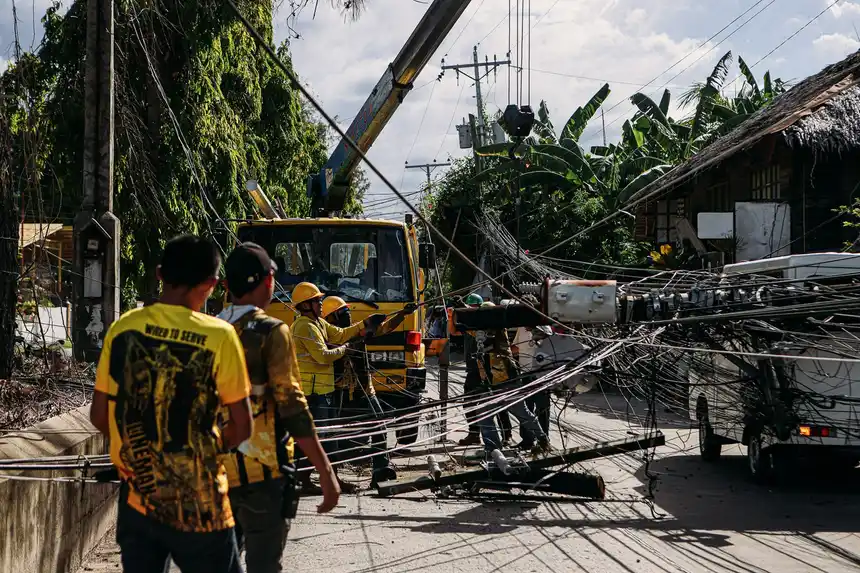
Every storm job starts with the same core package: emergency tarping or board-up, water extraction, structural drying and insurance documentation. Repairs like drywall, flooring and roofing are scoped after drying, and we handle those too. Here is what you get on a standard call.
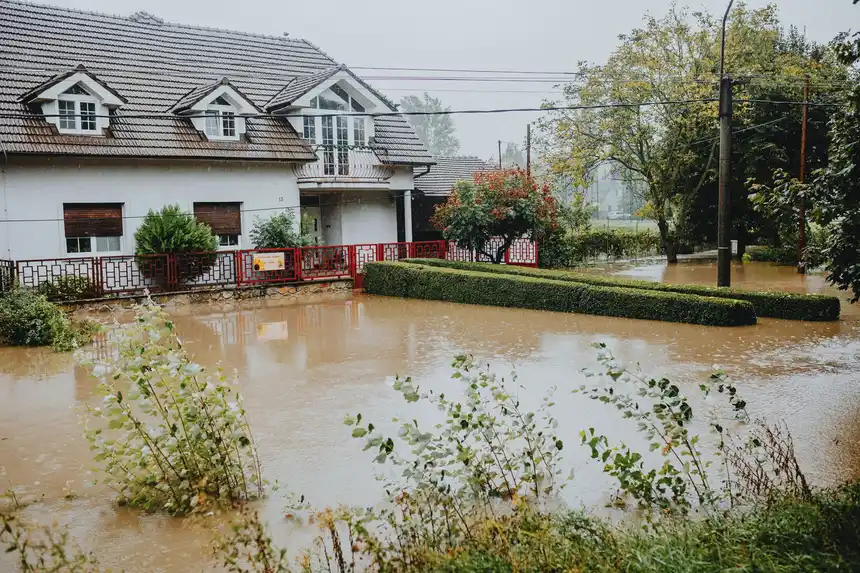
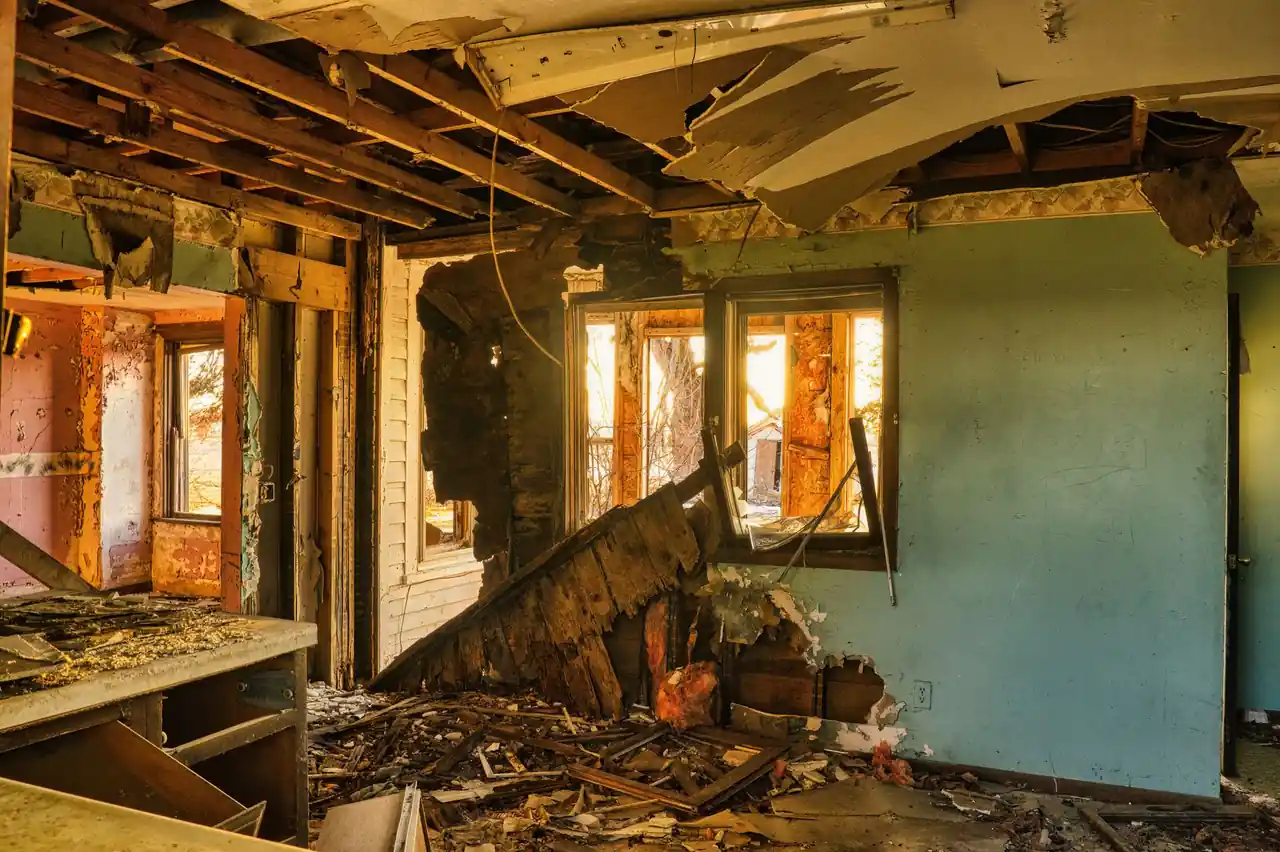
We handle storm water in houses of every age, from attic leaks to flooded basements. You get a crew that extracts, dries and documents the loss in one visit.
Storm damage costs you revenue by the hour. We work after hours, dry the space fast and document the loss for your claim.
Storm damage restoration Jefferson City MO is the process of securing a building after wind, hail or heavy rain, then removing the water that got in and drying every cavity it touched. It starts with emergency board-up and tarping so the roof stops leaking, then moves to truck-mounted water extractors, air movers and dehumidifiers. We use thermal imaging cameras and moisture meters to find water hiding behind drywall, under hardwood and inside ceiling assemblies. Nothing gets closed up until readings match dry standard.
Jefferson City sits in a hail and straight-line wind corridor, and the older housing stock around Old Munichburg and Capitol Avenue takes the worst of it. A single spring squall can drive rain through a 30-year-old roof, soak insulation and drip into a second-floor ceiling overnight. If you search for storm damage restoration near me Jefferson City MO at 2 a.m., you want a crew that answers, not a voicemail. We keep extraction units loaded and tarp rolls stacked so the first hour is spent working, not driving around.
We stop the water first, then dry the structure to a measured standard.
Every storm job follows the same five steps. You will know what is happening, who is in your house, and when the equipment comes out.
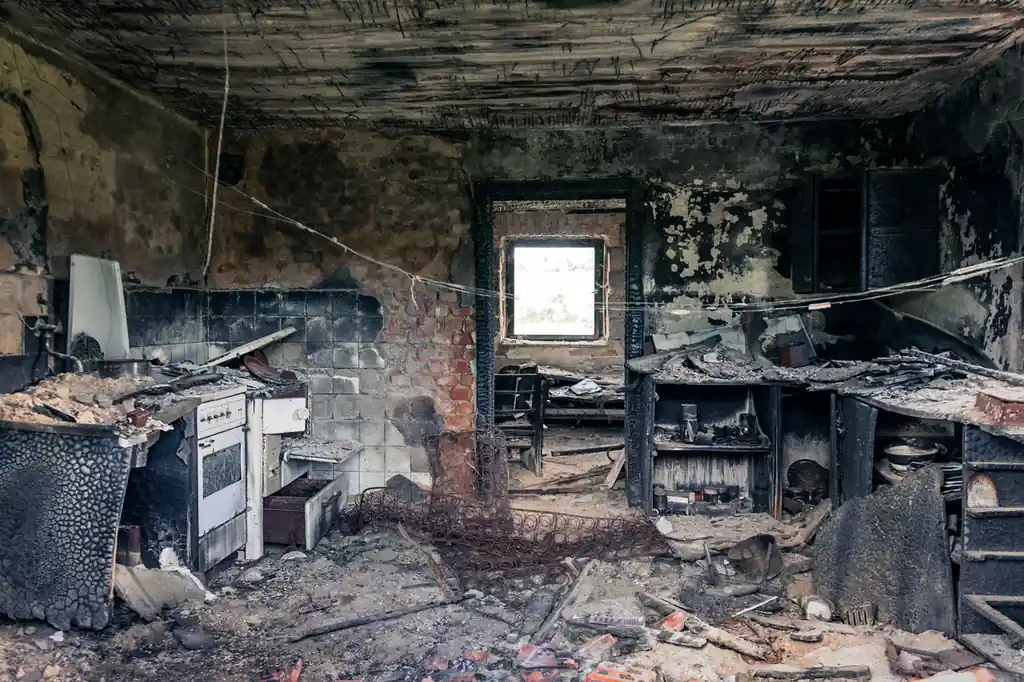
You call +15736984623 and describe what happened. We ask about roof damage, standing water and whether power is on. A technician is dispatched with tarping materials and extraction gear. Most Jefferson City addresses see us within 60 to 90 minutes of the call.
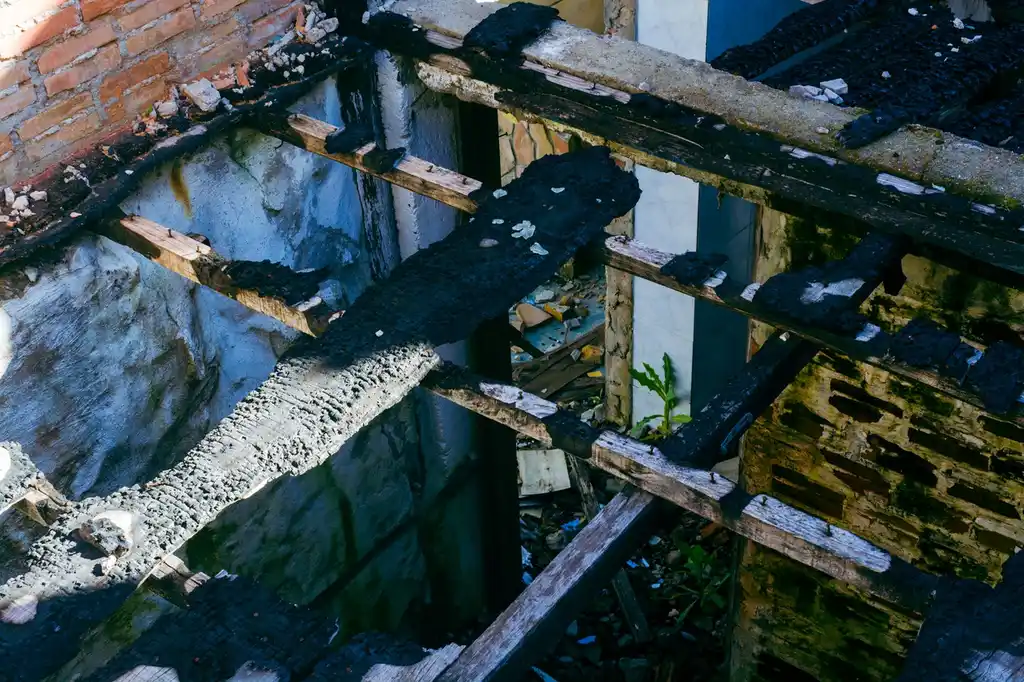
We walk the roof and attic with a borescope inspection camera, then tarp or board up any opening. Inside, thermal imaging and moisture meters map where water traveled. You get a written scope and photos before we start drying, usually within the first two hours.
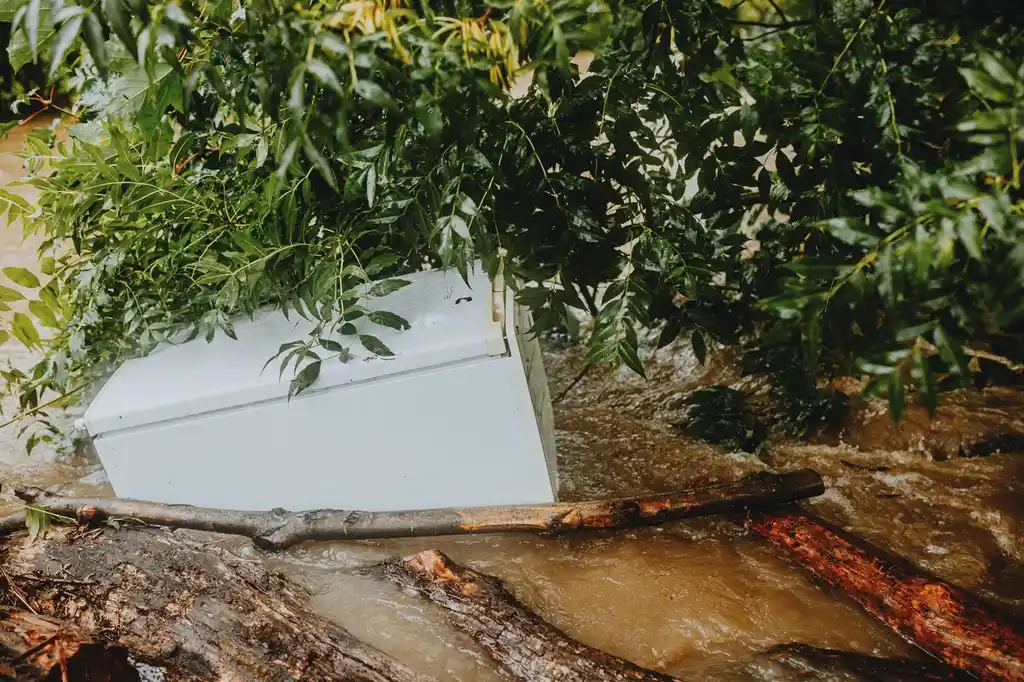
Truck-mounted extractors pull standing water from carpet, hardwood and subfloor. Portable units reach tight spaces like closets and crawl spaces. Then we set air movers, dehumidifiers and negative air machines. Drying typically runs four to five days on a standard home.

Once readings hit dry standard, we remove damaged drywall, insulation and wood subflooring, then rebuild with replacement materials. Sealant and caulk close exterior gaps. Most repairs finish within one to two weeks after drying ends, depending on material availability.
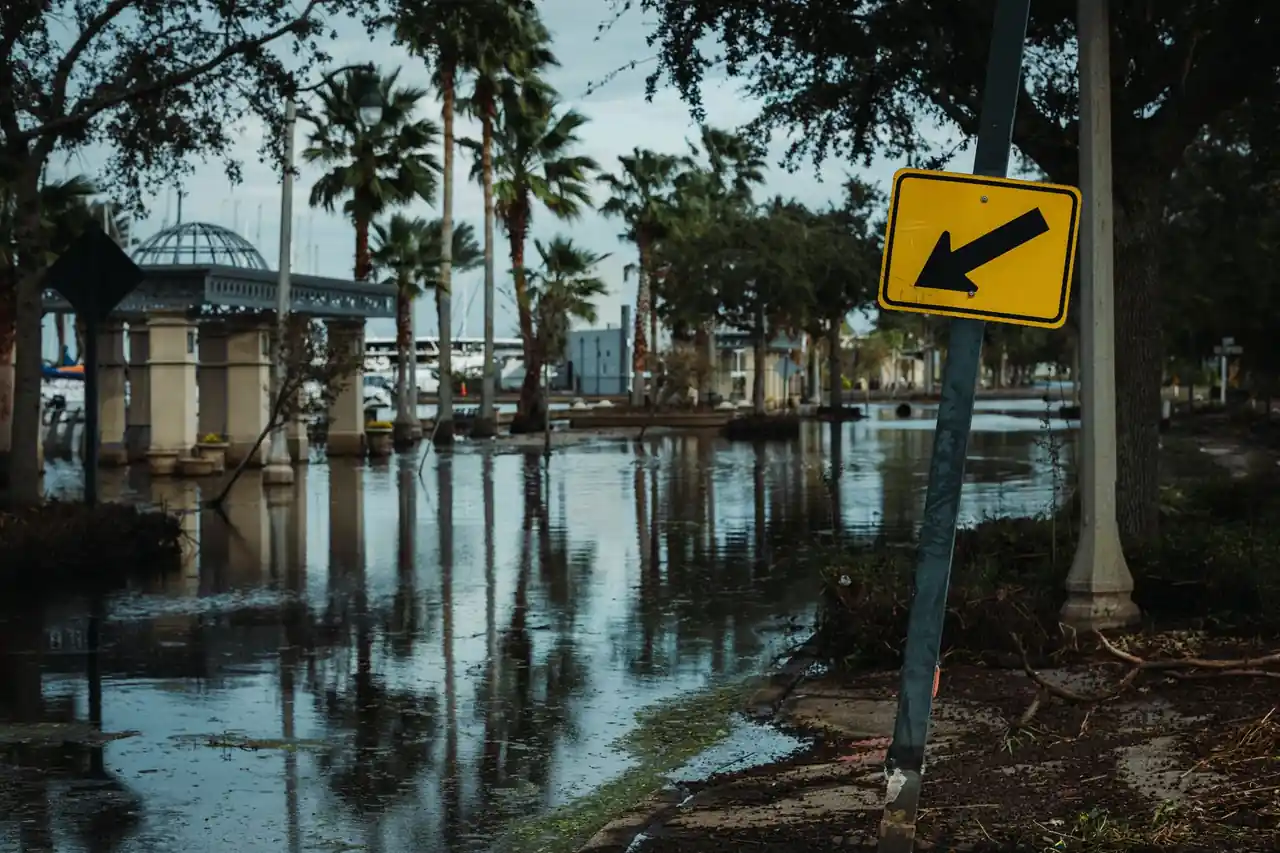
We do a final moisture sweep, photograph every repaired area, and hand you a complete file for your insurance claim. If you need help filing, we walk you through the paperwork. The job is not done until you sign off on a dry, repaired home.
Pulls hundreds of gallons of standing water from carpet and hard flooring fast, which is the first step on any storm flooding call.
Reveals temperature differences that point to hidden water behind walls, under floors and inside ceiling assemblies.
Measures moisture content in materials and relative humidity in the air so we know when the structure is actually dry.
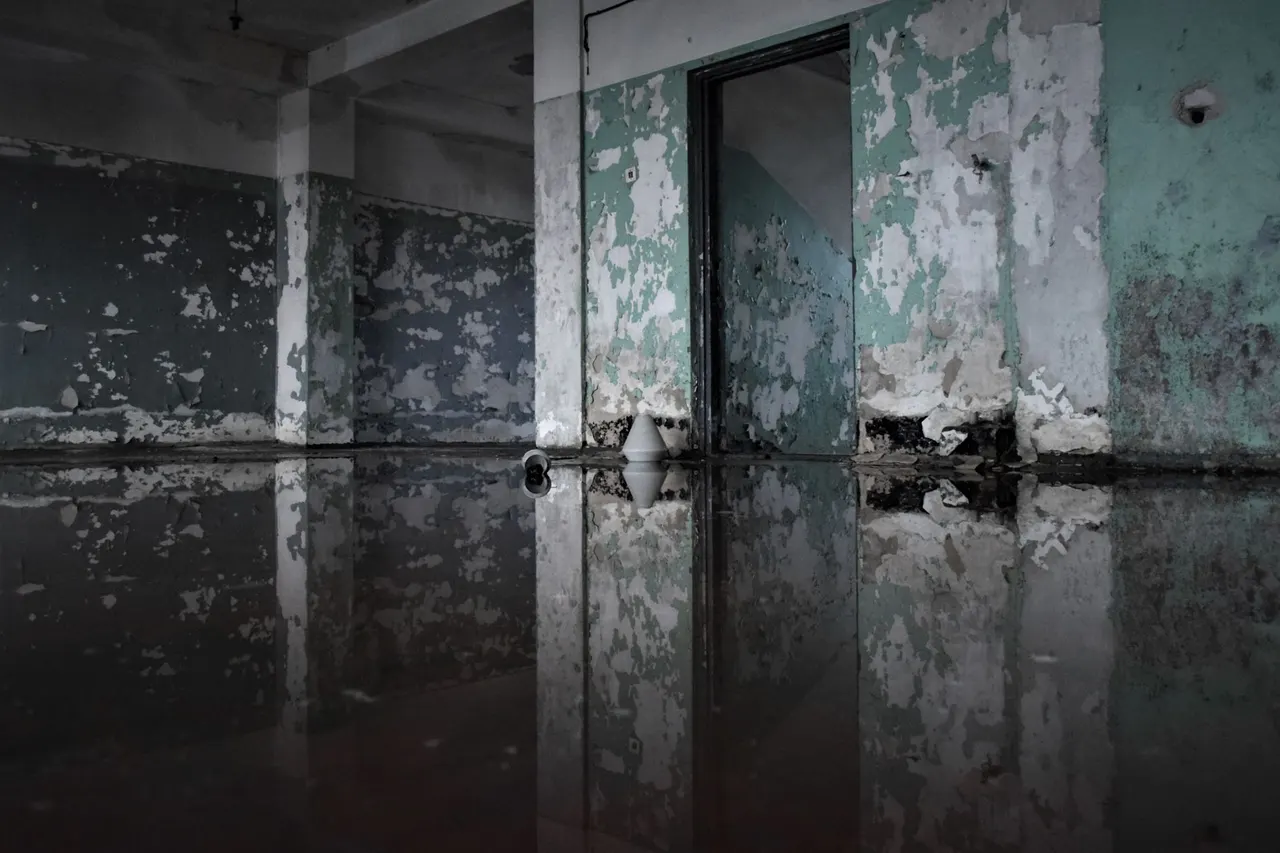
Pull moisture out of the air so wet materials release water faster and drying times drop from weeks to days.
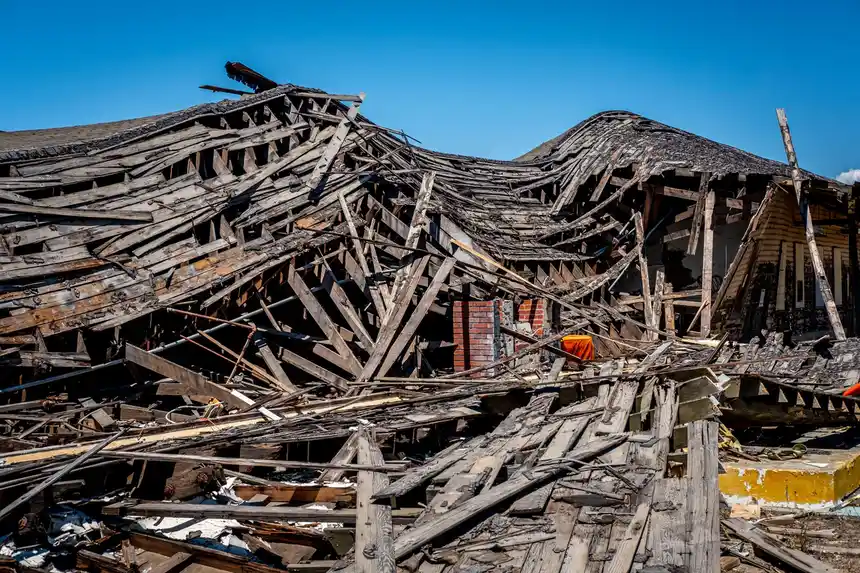
Lets us look inside wall cavities and ductwork without tearing out more material than necessary.

Contains dust and mold spores during removal work so they do not spread to unaffected rooms.
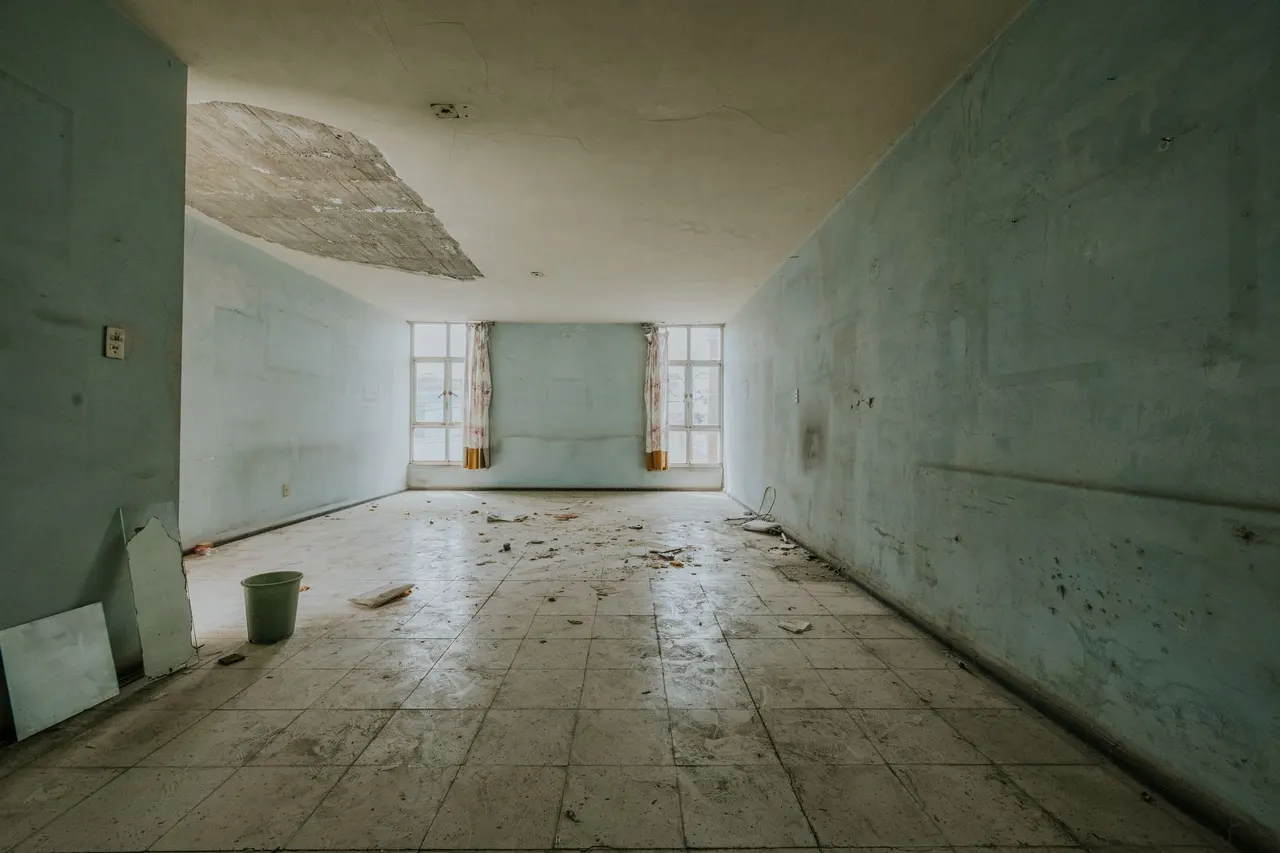
Neutralize musty odors left by storm water after the structure is dry and clean.
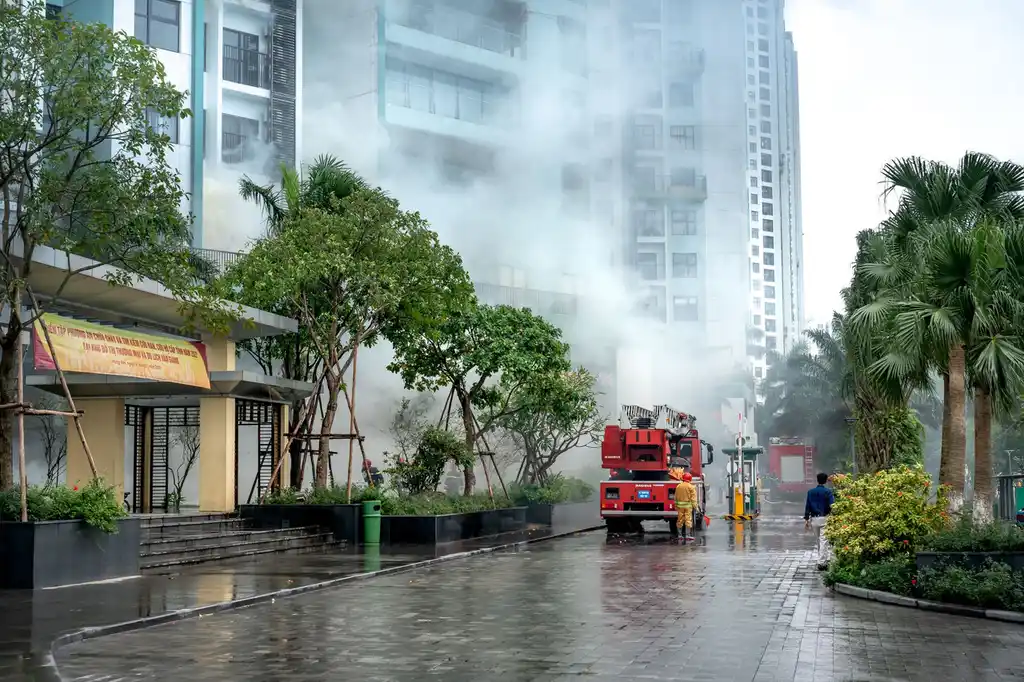
We follow the S500 standard for water restoration, which sets drying goals by material type. That is why we do not pull equipment until moisture readings match dry standard, not just when surfaces feel dry to the touch.
We dispatch a crew with tarping materials, seal the roof, extract water from the carpet and pad, and set drying equipment in the bedroom and attic. Moisture mapping shows how far the water traveled. The roof is sealed before morning, the bedroom dries in four days, and the ceiling repair is scheduled without you calling a second contractor.
We pump and extract the water, pull wet carpet and pad, dry the slab and block walls, and inspect behind any finished surfaces with thermal imaging. Contents get packed out if needed. The basement is dry in five days, no musty odor remains, and your insurance file includes photos and moisture logs from start to finish.
We board up the window, extract water from the flooring, set air movers and dehumidifiers after hours, and document the loss for your business interruption claim. You reopen the next morning with drying equipment running quietly in the back, and the claim paperwork is ready for your adjuster.
We pump the crawl space, dry the joists and insulation, apply antimicrobial solution, and check the vapor barrier. A dehumidifier runs until readings match dry standard. The crawl space dries out, musty odors do not climb into the living area, and you get a maintenance checklist to prevent the next storm from doing the same.
Jefferson City gets hit by two storm patterns: spring and summer squalls that drive rain sideways into roofs and windows, and winter ice storms that snap tree limbs onto power lines and roofs. The older housing stock around Old Munichburg, Capitol Avenue and High Street has original roof decking and minimal attic ventilation, so a single leak can soak insulation and drip through a ceiling for days before anyone notices. Newer subdivisions in Southwest Jefferson City and Bluff Creek dry faster but still need extraction within 24 hours to save carpet and pad. We keep tarp rolls, board-up panels and extraction units staged for both patterns. If you need 24/7 storm damage repair Jefferson City, we answer the phone and dispatch a crew that knows which streets near McKay Park flood first and which crawl spaces stay wet after the rain stops.
A spring hailstorm stripped shingles from a two-story home near Capitol Avenue. Rain ran down the attic side of the roof deck and soaked insulation, then dripped through a second-floor ceiling overnight. The homeowner woke to a brown ring and a sagging patch of drywall.
We tarped the roof within two hours, extracted water from the ceiling cavity and attic insulation, and ran air movers and a dehumidifier for five days. Moisture readings returned to dry standard, the stained drywall was replaced and painted, and the roof was permanently repaired the following week.
Check attic insulation after every hail event and keep gutters clear. We recommend a roof inspection each spring before storm season starts.
A summer storm knocked out power for five hours, and the sump pump never came back on. Two inches of water covered a finished basement floor, soaking carpet, pad and the bottom two feet of drywall. The musty smell started within a day.
We pumped and extracted the standing water, cut out saturated drywall, dried the slab and framing with air movers and dehumidifiers, and treated the space with antimicrobial solution. Drying finished in five days, and the rebuilt wall matched the original finish.
Test your sump pump every month and add a battery backup. We also check the crawl space vapor barrier after any storm that causes street flooding.
Straight-line winds shattered a window in a Downtown Jefferson City storefront during an evening storm. Rain soaked the sales floor carpet and pad, and water ran under a display counter before anyone arrived the next morning.
We boarded up the window the same night, extracted water from the carpet and pad, lifted the carpet to dry the subfloor, and ran drying equipment after hours. The floor read dry in four days, and the store reopened the next morning with equipment running in the back.
Keep storm shutters or plywood panels on hand for ground-floor glass. We can pre-cut board-up panels for storefronts that face open streets.
Storms find the weak point in every building. These are the calls we run most often in Cole County, and what happens if they sit too long.

We tarp the roof, trace the leak with thermal imaging and moisture meters, then dry the attic decking, insulation and ceiling assembly before repairing the roof and interior. Water soaks attic insulation, stains ceilings and wicks into wall cavities within hours, turning a roofing repair into a full interior drying job.

We board up the openings, extract water from flooring, lift carpet to dry the pad, and run floor drying mats on hardwood. Most floors are saved when we reach them within 24 hours. Rain enters through broken glass and saturates carpet, pad and hardwood. Left overnight, the flooring cups and the pad grows mold.

We pump and extract the water, dry the slab and walls, treat the space with antimicrobial solution and check behind finished surfaces with a borescope inspection camera. Standing water against block walls pushes moisture into the entire lower level and can reach stored contents, HVAC equipment and the electrical panel.
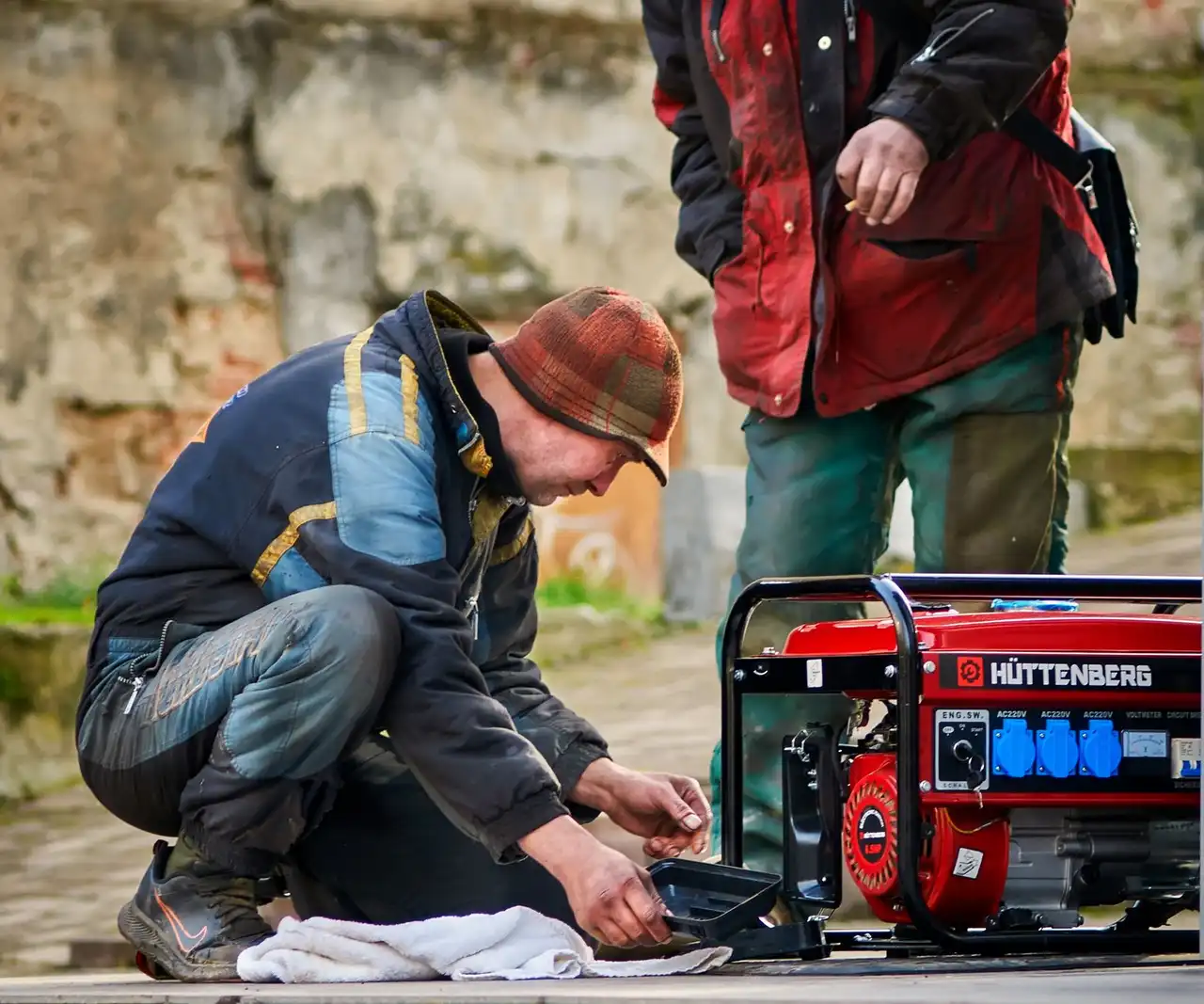
We extract the standing water, cut out saturated drywall, dry the framing and slab, and document the loss so your claim covers the pump and the damage it caused. The basement fills while the storm rages, and water sits for hours until power returns. That is enough time for mold to start and for drywall to wick water upward.
We place air movers and Dri-Eaz dehumidifiers the same day we extract, which cuts drying from two weeks to four or five days on most residential jobs. Moisture meters and hygrometers confirm the structure is dry before we pull equipment, so you are not guessing.
Every job gets photos, moisture readings, a sketch and an Xactimate-ready scope. Adjusters accept our paperwork because it follows the same line-item format they use. That means fewer back-and-forth calls and a faster settlement on your storm damage repair in Jefferson City MO.
Mold growth after water damage starts in wet drywall and insulation within 48 hours. We apply antimicrobial solution to affected framing, set up containment with ZipWall barriers when needed, and run HEPA vacuums so spores do not spread to the rest of your house.
Our technicians live and work in Cole County, so we know which streets flood near McKay Park and which crawl spaces stay wet after a Moreau Heights storm. You get a crew that has dried hundreds of Jefferson City homes, not a franchise dispatching from St. Louis.
Clear records you can keep and share.
Room-by-room plan before work starts
Daily readings from first visit to dry standard
Photos and Xactimate scope for your adjuster
Storm water moves farther than the visible wet spot. It wicks into wall cavities, insulation and subfloor, so drying has to reach beyond what you can see.
Water follows joists and studs into rooms that look dry. Thermal imaging shows the full path before we place equipment.
Mold can start in wet drywall within 48 hours. Extraction and drying in the first day is what keeps the repair small.
A surface that feels dry can still hold moisture. We rely on meter readings, not touch, before removing equipment.
Outside these areas? Call and ask, we will tell you straight. +15736984623
Most residential storm jobs run $1,800 to $6,500 in 2026, depending on how much water entered and how many rooms are affected. A tarp and small extraction might land near $1,200, while a flooded basement with drywall removal pushes past $8,000. Insurance usually covers the bulk of it, and we document the scope so your adjuster sees line-item pricing.
We do, and we are local to Cole County. Our crews work out of Jefferson City, so we are not driving in from another county while your ceiling drips. Call +15736984623 and we dispatch a technician with tarping and extraction gear. Most addresses in ZIP codes 65101 and 65109 see us within 60 to 90 minutes.
Yes, most homeowner policies cover sudden storm damage, including roof leaks, wind-driven rain and the drying that follows. We photograph everything, log moisture readings and build an Xactimate scope your adjuster can process. You pay your deductible; the claim handles the rest. We can walk you through the filing if you have never done it.
Drying usually takes four to five days for a standard home, and repairs add one to two weeks depending on materials. A tarp-and-extract job can wrap in 48 hours if water stayed shallow. If drywall and insulation come out, plan on a longer schedule. We give you a written timeline after the first inspection.
Every hour a wet roof or flooded basement sits, the repair bill grows. We answer around the clock, tarp and extract the same day, and document everything for your insurance claim. Call +15736984623 and get a crew moving toward your address.
Call +15736984623 any time, day or night. A live dispatcher answers, not a machine, and we will tell you exactly when a crew can reach your address. Most Jefferson City calls see a technician within about 60 minutes. If you prefer email, send photos and your address to info@24/7jeffersoncitywaterdamagerestoration.com and we will follow up fast.