Written scope
What is wet and what we will do
When a pipe bursts at 2 a.m. or your basement floods after a storm, 24/7 emergency water damage restoration Jefferson City MO gets water out and drying started before mold sets in. We handle emergency water damage cleanup Jefferson City MO for homeowners, landlords, and businesses in Cole County. Call +15736984623 and we roll a truck to your address.
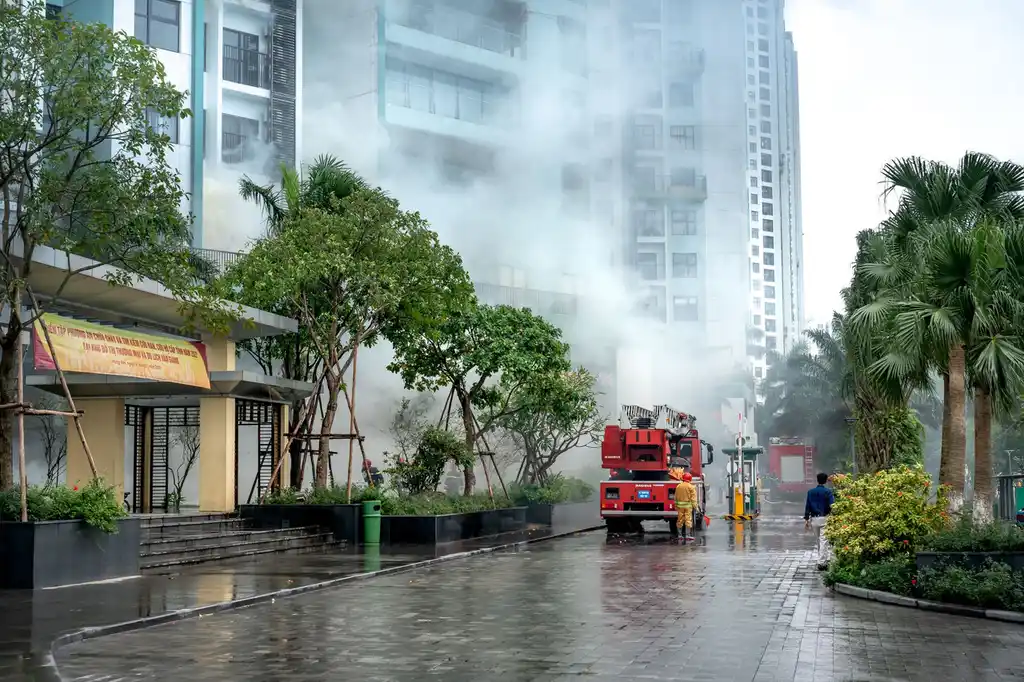
Every job starts with inspection, extraction, and drying. Repairs and specialty work are added based on what we find. Here is what is covered in a standard residential or commercial water loss.
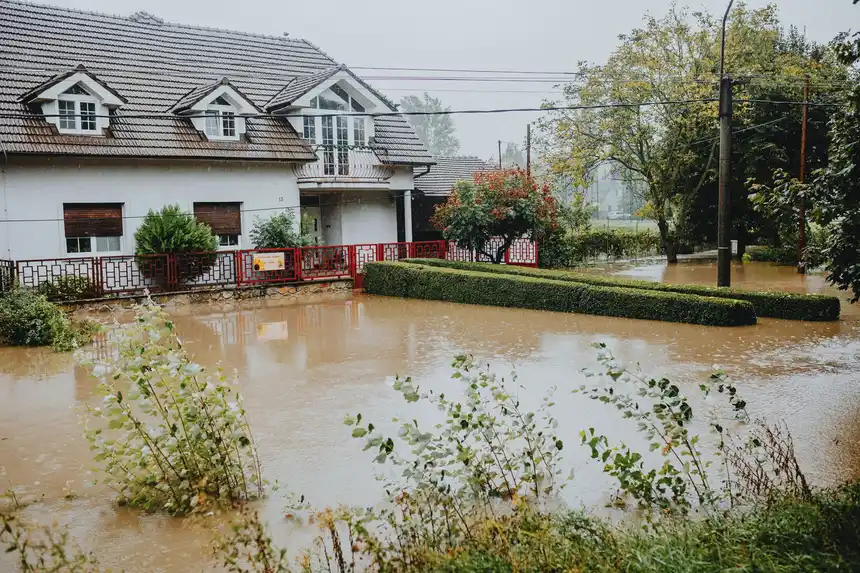
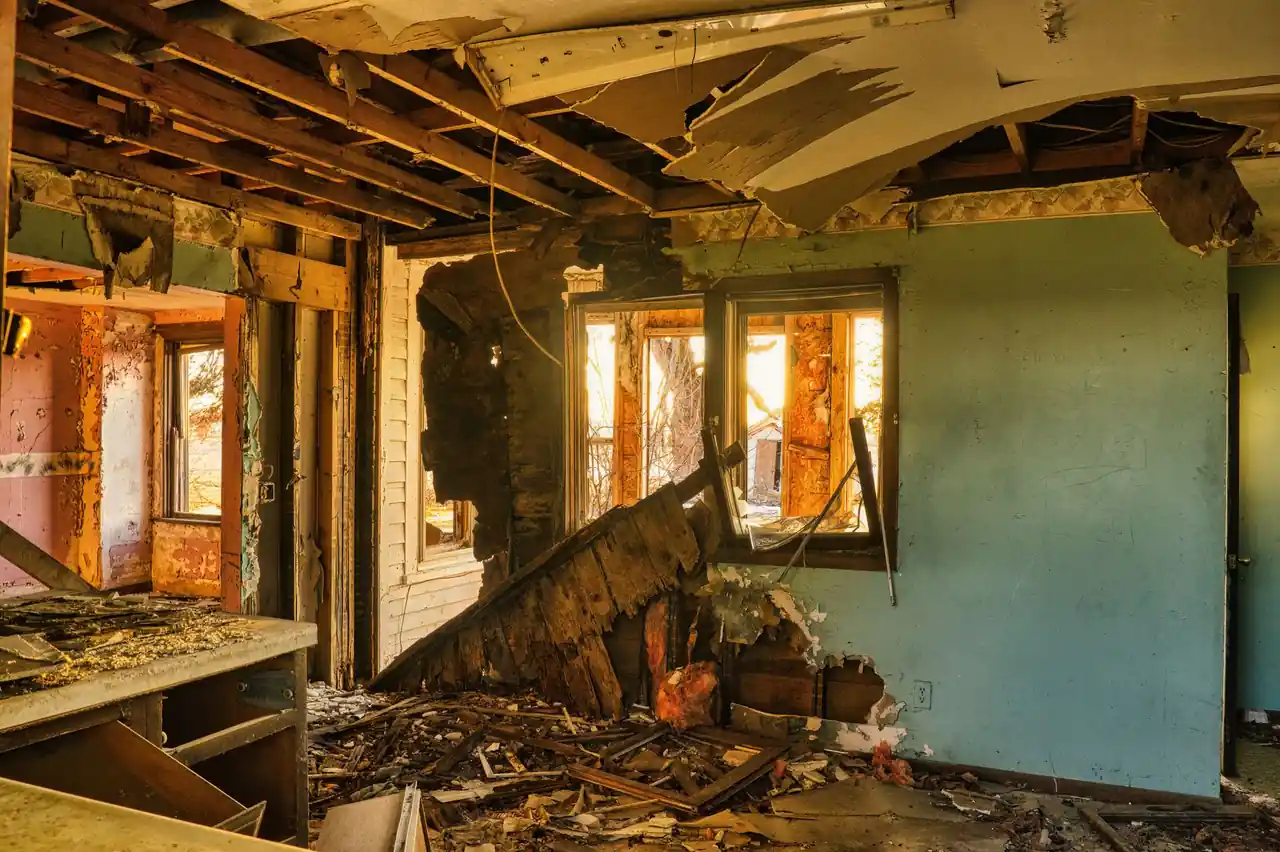
We handle water losses in houses, apartments, and rental units across Jefferson City. You get extraction, drying, and repairs from one crew.
We work after hours so your business keeps running. We contain the loss, dry the structure, and document everything for your insurer.
24/7 emergency water damage restoration Jefferson City MO is the emergency service that extracts standing water, dries wet structure, and returns your home or building to a safe, dry condition after a leak, burst pipe, or flood. We arrive with truck-mounted water extractors, portable extraction units, air movers, and dehumidifiers, then use thermal imaging cameras and moisture meters to find water you cannot see behind walls, under floors, and inside ceilings. Every job starts with stopping the source, containing the mess, and documenting the damage for your insurance claim.
Jefferson City sits along the Missouri River, and that means sump pump failure, basement flooding, and crawl space moisture are common calls for us, especially after spring storms and winter freeze events. Older homes near Old Munichburg and Downtown Jefferson City often have original galvanized plumbing and stone foundations that let water travel farther than you would expect. If you need emergency water damage cleanup open now Jefferson City, we answer the phone and dispatch a crew, not a call center.
We pull the water, dry the structure, and document the loss before mold gets a chance.
Five steps take your property from wet and chaotic to dry, documented, and ready for repairs. Here is exactly how the job runs.
You call +15736984623 and describe what happened: burst pipe, sewage backup, roof leak, or appliance leak. We ask where the water is, whether the power is safe, and how long it has been running. Within minutes we have a crew assigned and a rough arrival window, day or night.
On arrival we find and stop the water source, then walk the property with a moisture meter and thermal imaging camera. We map the wet zone, check for hidden water behind walls, and photograph everything before a single piece of material comes out. This usually takes 30 to 60 minutes.
We pull standing water with a truck-mounted extractor and portable units, then remove saturated carpet, pad, and insulation. ZipWall barriers and plastic sheeting isolate the work area so dust and spores stay out of your clean rooms. Absorbent pads catch residual moisture on hard floors.
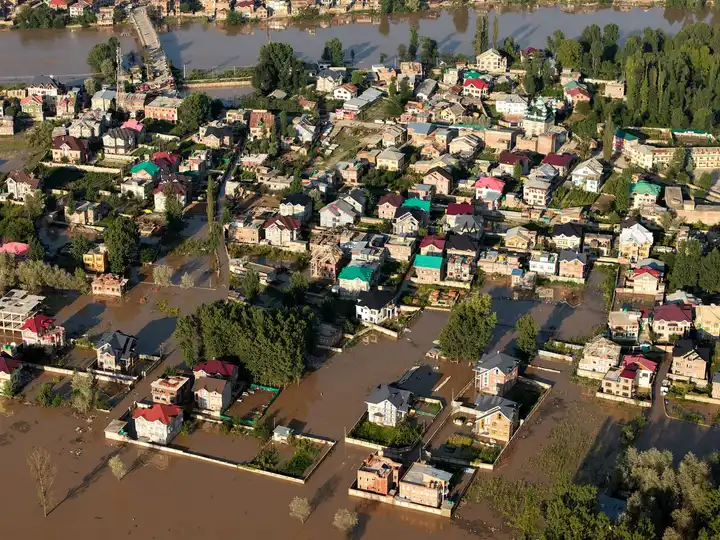
We position air movers and dehumidifiers based on the size and layout of the wet area, then check readings daily with a hygrometer and moisture meter. Most residential jobs dry in three to five days. We adjust equipment and document progress at every visit until materials hit dry standard.
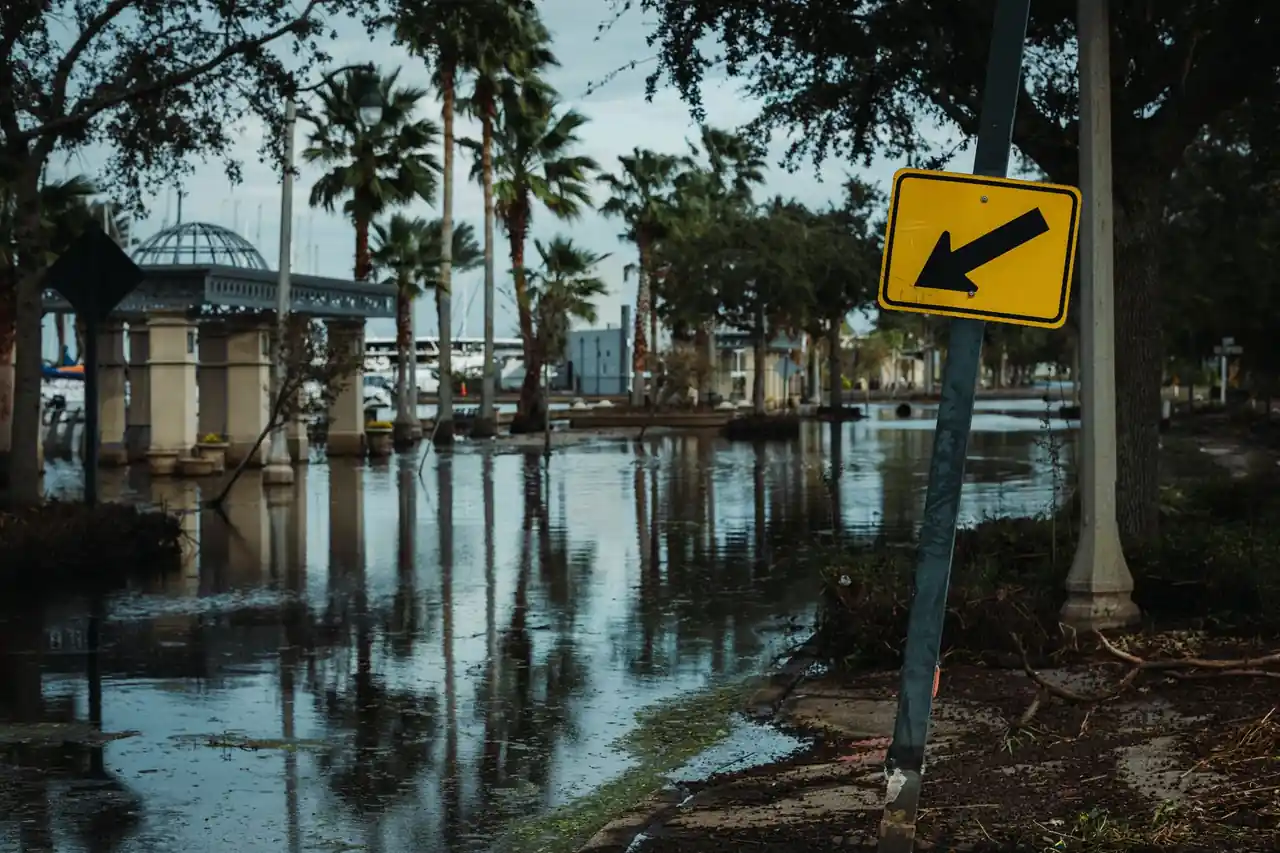
Once structure is dry, we replace drywall, insulation, and subflooring as needed, then seal and caulk to close the assembly. We do a final moisture check, hand you the documentation package for your insurer, and walk the space with you so you can see and feel the difference.
Pulls hundreds of gallons from carpet, pad, and hard floors in a single pass. It is the fastest way to get standing water out of a Jefferson City home before it spreads further.
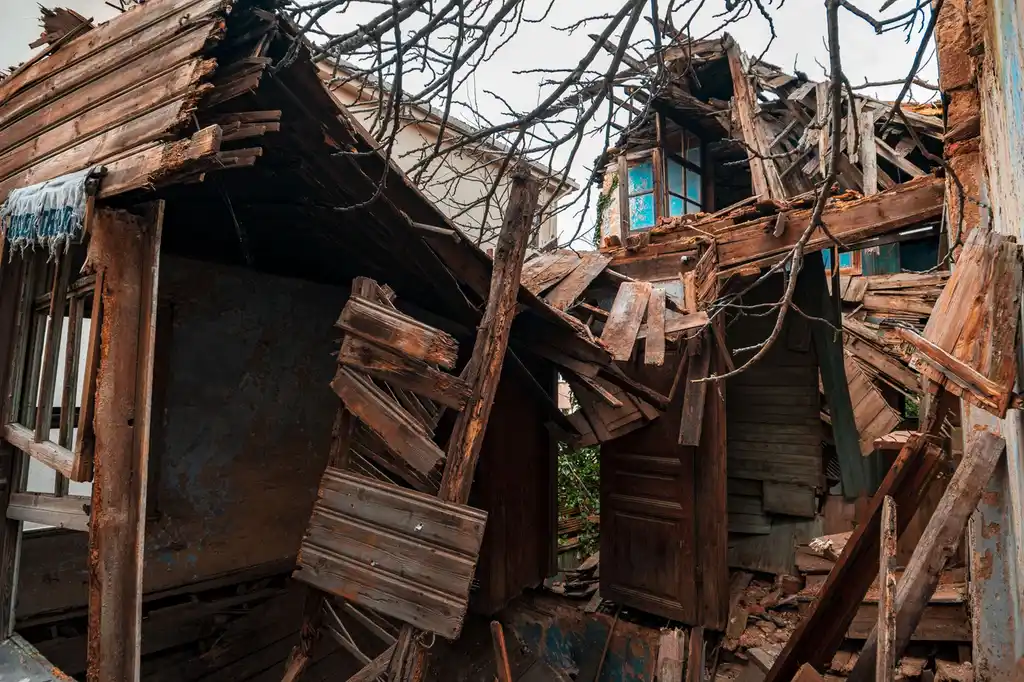
Shows temperature differences that reveal hidden moisture behind walls, under floors, and above ceilings. We use it before extraction so nothing wet gets missed or left behind.
Measure moisture content in materials and relative humidity in the air. We log readings daily to confirm the structure is drying and to know when it has reached dry standard.
Remove moisture from the air so wet materials can release water. We size and place them based on the cubic footage of the affected area, not a one-size-fits-all rule.
Keep air moving across wet surfaces to speed evaporation. Placement matters, so we position them to dry wall cavities and floor assemblies evenly.
Create negative pressure and capture fine particles during mold and sewage work. They keep spores and dust out of the clean parts of your home.
Lets us look inside wall cavities and ductwork without cutting large openings. We confirm where water traveled and whether hidden materials need to come out.
The industry standard for water damage restoration. It sets how we classify water, place equipment, and decide when materials are dry. Following it means the job is documented and defensible if your insurer asks questions.
We answer the phone, walk you through shutting off the main valve, and dispatch a crew. On arrival we extract the water, set drying equipment, and check the cabinets and wall cavity for hidden moisture. Water is out the same night, drying starts immediately, and you avoid a mold problem that would have cost far more to fix.
We extract the standing water, remove saturated boxes and materials, dry the slab and walls, and inspect the pit and discharge line. We treat the area to stop odor and mold before it starts. The basement is dry in three to five days, and you know exactly what failed so it does not happen again next storm.
We trace the leak, tarp the roof if needed, extract water from the ceiling cavity, and dry the framing and insulation. We document the damage and coordinate the roof repair. The stain stops spreading, the ceiling is repaired, and your insurance claim has photos and readings to support it.
We pull the appliance, extract water from carpet and pad, dry the subfloor, and check the wall cavity with a moisture meter. We replace the failed line and document the loss. Carpet and subfloor are dry in three to four days, and the repair is covered by a documented claim instead of out of pocket.
Jefferson City sits in a river valley, and that shapes the work. Spring storms push the Missouri River up and overwhelm sump pumps in low-lying neighborhoods like Millbottom and Riverside. Winter freezes burst supply lines in older homes around Downtown and Old Munichburg, where original plumbing and stone foundations let water travel farther than you would expect. Summer humidity slows drying, so we run dehumidifiers longer and check readings daily instead of assuming a three-day job. Many homes here were built before 1978, which means we follow EPA Lead-Safe Certification practices when we cut into painted drywall and trim. If you need emergency water damage cleanup open now Jefferson City, we dispatch the nearest crew and start extraction as soon as we are on site. We also handle same day emergency water damage restoration Jefferson City Missouri for landlords and property managers who need a unit turned around fast.
A supply line failed overnight in an upper-floor unit and water ran through the ceiling into the apartment below. Carpet, pad, and two ceiling sections were saturated, and the tenant had already noticed a musty smell.
We extracted the water, removed the wet pad and ceiling drywall, and dried the structure in four days. Moisture readings returned to dry standard, and we replaced the drywall and repainted both units.
We replaced the failed supply line with a braided stainless line and recommended a shutoff valve. Checking under sinks twice a year catches most slow leaks before they become a call.
A spring storm knocked out power and the sump pump quit, leaving two inches of water across a finished basement. Drywall wicked water 14 inches up the wall, and stored boxes were soaked through.
We extracted the standing water, cut out the wet drywall to the flood line, and dried the slab and framing in five days. The basement was rebuilt with new insulation and drywall, and the pit was cleaned.
We recommended a battery backup sump pump and a water alarm. Testing the pump before storm season is the cheapest insurance a basement owner can buy.
Hail damaged shingles over a bedroom, and the next rain sent water through the ceiling. The stain spread across eight feet of ceiling, and insulation in the attic was soaked.
We tarped the roof, extracted water from the ceiling cavity, and dried the framing and attic insulation in three days. The ceiling was repaired and repainted, and the roof was replaced.
We advised an attic inspection after every major hail event. Catching a small leak early keeps the repair to a patch instead of a full ceiling replacement.
Most calls come down to a handful of failures. Here is what we see most often and how we handle each one.
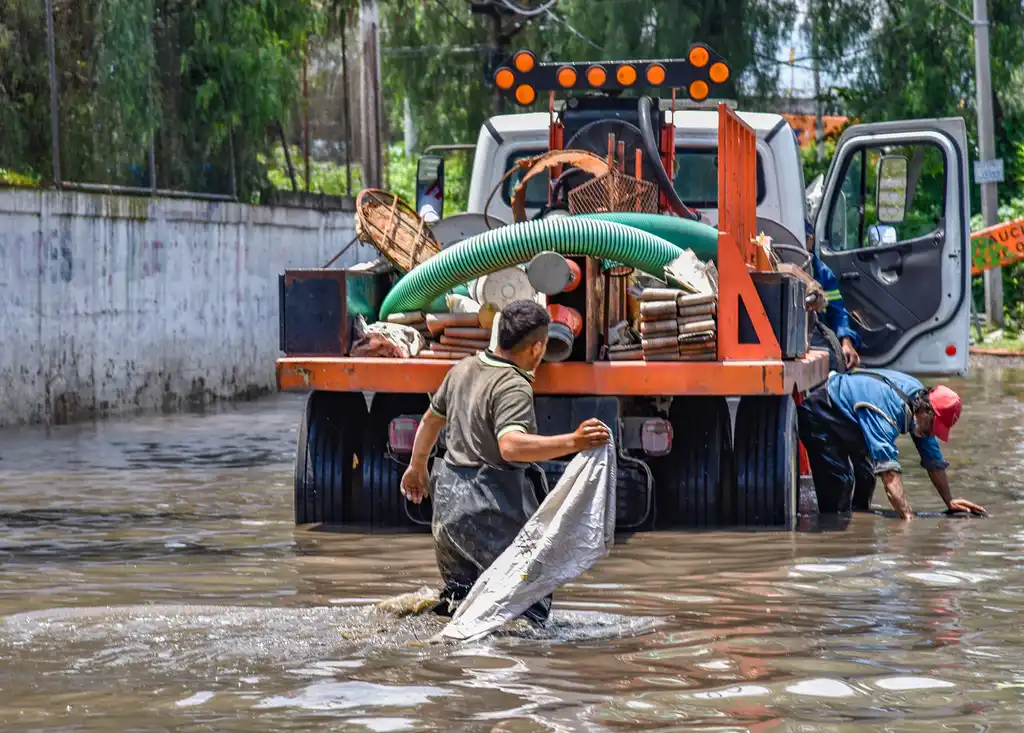
We shut off the line, open the wall, extract standing water, and dry the cavity with air movers and a dehumidifier. We repair or replace the failed pipe section and document everything for your claim. Water runs inside the cavity for hours before it shows on the floor. By then, drywall, insulation, and subfloor are saturated and mold has a head start.
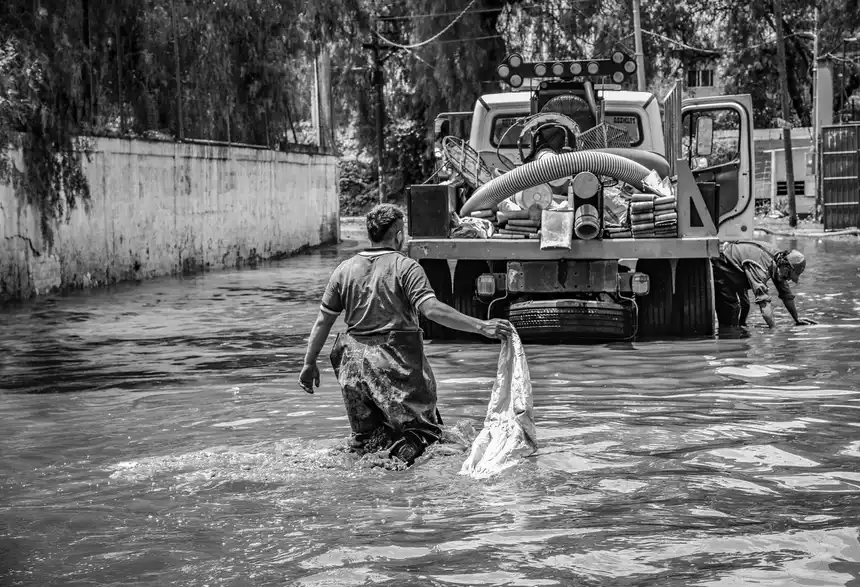
We extract the water, remove saturated materials, dry the slab and walls, and check the pit and discharge line so you know what failed. We also treat the area to prevent mold and odor. A failed pump during a storm can leave several inches of water on the slab, wicking up drywall and soaking stored belongings within hours.
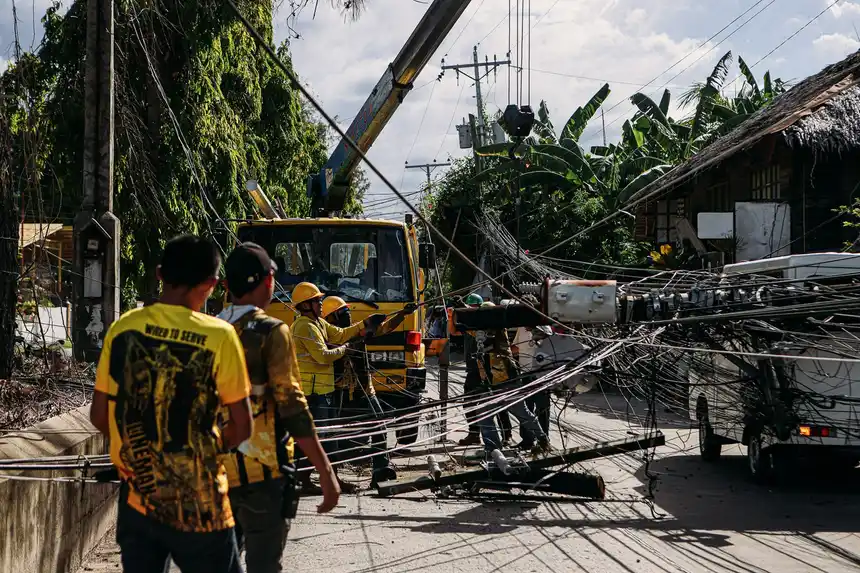
A thermal imaging camera and moisture meter let us find the wet zone without tearing out dry walls. We dry only what is wet, which saves you money and keeps repairs smaller. A slow supply line leak can soak framing for weeks without a visible puddle. You notice a musty odor or a soft spot long after the damage started.
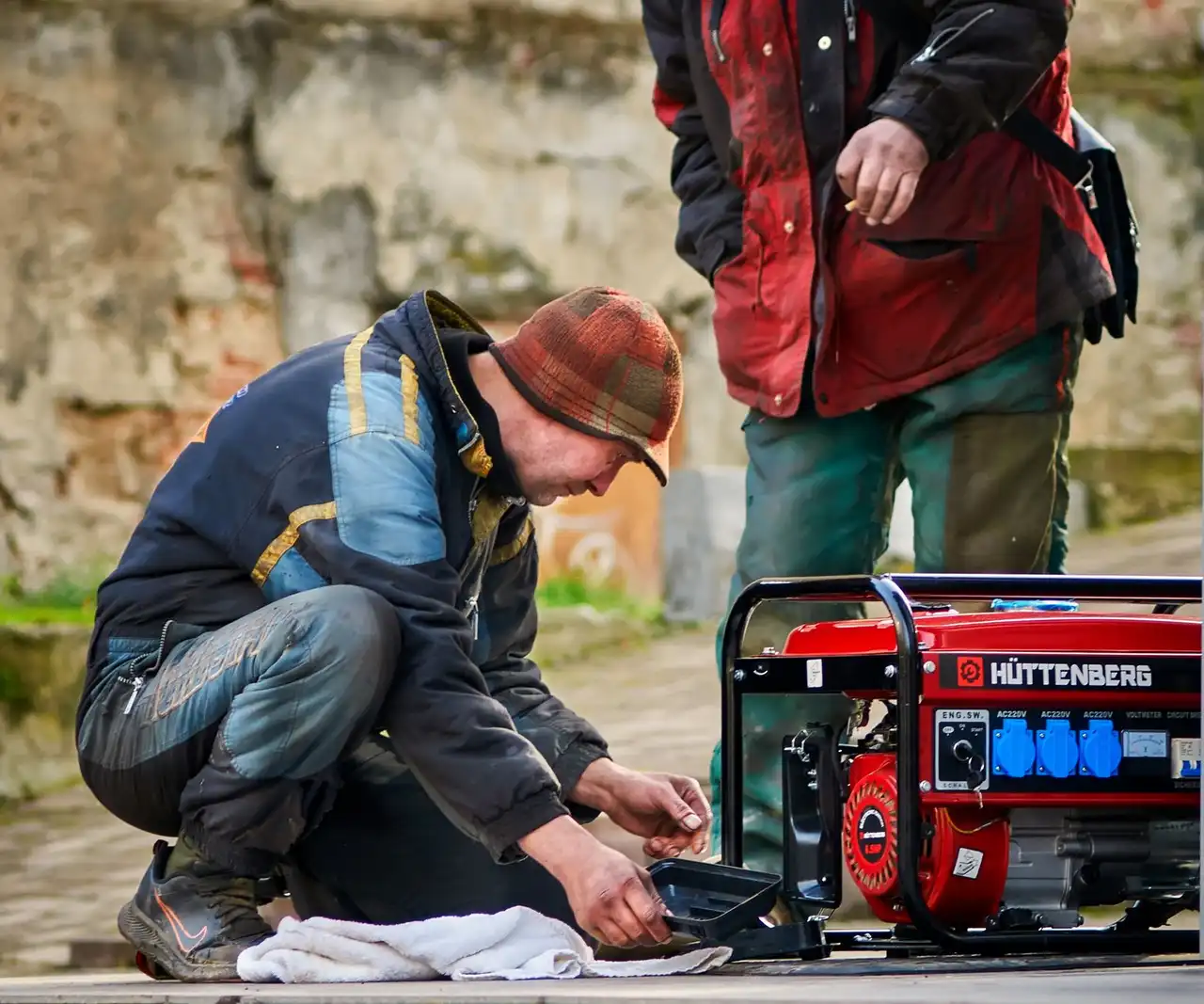
We contain the area with ZipWall barriers and plastic sheeting, remove affected materials, disinfect with antimicrobial solution, and dry the structure using negative air machines and HEPA vacuums. Category 3 water carries bacteria and pathogens. Anything it touches, including drywall and carpet, is a health risk and usually has to go.
Our truck-mounted water extractor pulls hundreds of gallons from carpet, pad, and subfloor in a single pass. Most residential extraction jobs are done in two to four hours, and we set drying equipment the same visit so the clock on mold growth stops.
A thermal imaging camera and moisture meter show us what a wet-vac cannot. We check wall cavities, ceiling joists, and crawl spaces for trapped water. If you searched for emergency water removal near me Jefferson City, this is the step that separates a real restoration job from a shop vac and a fan.
We photograph affected materials, log moisture readings, and build a line-item scope in Xactimate that adjusters recognize. You get a clear record of what was wet, what we dried, and what needs replacement, which speeds up your claim and reduces back-and-forth.
Mold can colonize wet drywall and wood in 24 to 48 hours. We apply antimicrobial solution to affected framing and use HEPA vacuums and negative air machines to keep spores from spreading to clean rooms. Catching it on day one is far cheaper than remediation on day ten.
Clear records you can keep and share.
What is wet and what we will do
Moisture logs until dry standard
Photos and Xactimate scope for your insurer
Water you can see is only part of the problem. What soaks into walls and floors is what grows mold weeks later.
A box fan moves air but does not remove moisture from the room. Without a dehumidifier, water stays in the walls and floor. That is why mold shows up after a do-it-yourself dry-out.
Drywall pulls water upward by capillary action, often a foot or more above the visible flood line. A moisture meter shows how far it traveled. Cutting to the actual wet line prevents mold behind the wall.
Mold can start growing on wet materials in 24 to 48 hours. Every hour without extraction and airflow shortens the window to save carpet, drywall, and framing. Fast drying is cheaper than remediation.
Outside these areas? Call and ask, we will tell you straight. +15736984623
Call +15736984623 and you reach our dispatch directly, any hour. We cover Jefferson City, Cole County, and the surrounding ZIP codes including 65101, 65109, and 65102. Tell us where the water is and whether the source is stopped. We assign a crew, give you an arrival window, and start extraction as soon as we are on site.
Most addresses inside Jefferson City see a crew within 60 to 90 minutes of your call. Outlying areas like Apache Flats or Bluff Creek can run closer to two hours. We dispatch the nearest available truck, and we call you if anything changes the window. Getting equipment running fast is what limits mold and saves flooring.
After-hours calls carry a higher labor rate, but the drying work itself is priced the same as a daytime job. Typical 2026 pricing in this area runs $1,200 to $6,500 for a residential water loss, depending on square footage, water category, and how many days of drying are needed. We give you the scope before work starts.
Yes. We serve every Jefferson City neighborhood, from Old Munichburg and Capitol Avenue to Moreau Heights and Southwest Jefferson City. If you are inside Cole County and you have water where it should not be, call us. We handle residential and commercial losses, including sewage backup and storm-driven flooding.
Water spreads while you wait, and mold starts within 24 to 48 hours. Call +15736984623 and we dispatch a crew with extraction and drying equipment. We serve all of Jefferson City and Cole County, day or night.
Call +15736984623 any time, day or night. A live dispatcher answers, not a machine, and we will tell you exactly when a crew can reach your address. Most Jefferson City calls see a technician within about 60 minutes. If you prefer email, send photos and your address to info@24/7jeffersoncitywaterdamagerestoration.com and we will follow up fast.