Written scope
Rooms, materials and equipment listed for your claim
When a burst pipe, appliance leak or sump pump failure soaks your carpet, carpet and upholstery water extraction Jefferson City MO is the fastest way to save it. We send a truck-mounted extractor and drying equipment to homes and businesses across Cole County, usually within the hour. The longer water sits in pad and fabric, the more likely you are to lose both to mold. Call +15736984623 and we will get the water out today.
Every job starts with inspection and ends with verified moisture readings, but the scope depends on how much water you have and what it touched. Here is what is standard on a carpet and upholstery water extraction Jefferson City MO job, and where add-ons come in.
We extract water from carpet, pad and furniture in houses, apartments and duplexes. You get a walk-through of what is wet, what can be saved and what has to come out.
We extract water from carpet and seating in offices, shops and restaurants, working around your hours. You get photos and moisture logs you can pass to your insurer.
Carpet and upholstery water extraction Jefferson City MO is the process of physically pulling standing and absorbed water out of carpet fibers, carpet pad, upholstered furniture and the subfloor beneath them using high-lift extraction equipment, then drying the remaining moisture with air movers and dehumidifiers. It is not the same as mopping or shop-vac work. A truck-mounted water extractor generates enough lift to pull water from deep in the pad and from the backing of the carpet, where a wet-dry vacuum cannot reach. We follow extraction with moisture readings to confirm the carpet and pad are drying evenly.
Most calls we run in Jefferson City start the same way: a supply line lets go under a bathroom sink, a water heater fails in the basement, or a sump pump quits during a spring storm and water wicks into finished carpet. Carpet water extraction services in Jefferson City Missouri matter here because our climate swings hard, humid summers followed by freeze-thaw winters that split pipes. If you search carpet water extraction near me Jefferson City MO at 2 a.m., we answer. We also handle upholstery water removal Jefferson City for sofas, recliners, dining chairs and office seating that took on water.
Pull the water out first, then dry what is left, then prove it with a meter.
Every job follows the same order: find the source, stop it, pull the water, dry what is left, verify it with meters. Here is what you will see from the time we arrive to the time we pack up.
We walk the room with a thermal imaging camera and moisture meter to map how far the water traveled, including behind baseboards and into closets. If a supply line, appliance or sump pump is still feeding water, we shut it down first. Extraction is pointless while the source is live. This step usually takes 20 to 30 minutes.
We run a truck-mounted water extractor across the carpet in overlapping passes, then use a portable extraction unit for stairs, closets and tight corners. If the pad is soaked through, we may pull it up, extract the subfloor, and set the pad aside to dry or replace it. Most residential rooms are extracted in 45 to 90 minutes.
Sofas, chairs and mattresses get extracted by hand with a wand and low-pressure tool, then wiped with antimicrobial solution. We set absorbent pads under furniture legs to keep dye from wicking into wet carpet. Anything we cannot dry in place, we note for contents cleaning or pack-out.
We place air movers to keep air moving across the carpet and a dehumidifier to pull moisture out of the room. In closed rooms we may hang plastic sheeting or ZipWall barriers to concentrate the dry air. Equipment usually runs 2 to 4 days, and we check readings each day.
We take moisture readings in the carpet, pad and subfloor and compare them to a dry standard for your home. When the numbers match, we pull the equipment. You get photos, moisture logs and a written scope you can hand to your insurance adjuster.

Generates high lift to pull standing and absorbed water out of carpet fibers and pad in overlapping passes, reaching deeper than any wet-dry vacuum.
Used for stairs, closets, tight corners and upper floors where the truck mount cannot reach, so no wet spot gets missed.
Shows temperature differences that reveal hidden water behind walls, under carpet and around baseboards before we start extracting.
Measures moisture content in carpet, pad and subfloor and tracks relative humidity in the room so we know when drying is actually complete.
Keep air moving across the carpet and pull moisture out of the room after extraction, cutting drying time from weeks to a few days.
Lets us look inside wall cavities and under cabinets without cutting them open, so we can confirm whether water reached hidden spaces.
Captures dust, debris and mold spores stirred up during extraction and drying, keeping the air in the room cleaner while work is underway.
We follow IICRC WRT and ASD drying principles, which set target moisture levels for carpet, pad and subfloor based on material and room conditions. That is how we decide when to pull equipment instead of guessing.
We shut the water off, extract the carpet and pad in the kitchen and hallway, and set drying equipment the same day. If the cabinet base is wet, we dry that too so it does not swell and delaminate. Carpet and pad dry in place over two to three days, and you avoid replacing flooring in two rooms.
We pump and extract the standing water, pull saturated pad, extract the carpet and dry the concrete or wood subfloor underneath with air movers and a dehumidifier. The basement is dry in three to four days, and only the pad needs replacing, not the carpet.
We extract the carpet and pad, hand-extract the sofa cushions and frame, apply antimicrobial solution to both, and set drying equipment in the room. Carpet and upholstery dry without shrinking or musty odor, and the sofa stays in use.
We tarp or repair the roof entry if needed, extract the carpet below, check the ceiling and wall cavity for moisture, and dry the room. Carpet is saved, the ceiling is dried and repaired, and no mold develops in the wall.
Jefferson City sits between the Missouri River and the Moreau, and that geography drives most of our wet carpet calls. Spring storms push water into basements in Millbottom and Riverside, where sump pumps work overtime and quit. Winter freeze-thaw cycles split supply lines in older homes around Capitol Avenue and Old Munichburg, and those leaks often run overnight before anyone notices. Summer humidity means carpet that gets wet here dries slower than in drier climates, so we run dehumidifiers longer and check readings daily instead of every other day. When you call for same day carpet water extraction Jefferson City, we bring a truck-mounted extractor and enough drying equipment to handle a full basement, not just one room. We also know the building stock: pier-and-beam homes in some neighborhoods have crawl space moisture that wicks up into the floor above, and we check for that before we call a carpet dry.
A supply line to a basement bathroom let go overnight and soaked roughly 400 square feet of carpet and pad. Water had spread under a sofa and into the adjacent storage room by morning, and the pad was saturated enough to squish underfoot.
We extracted the standing water, pulled the wet pad, extracted the carpet and dried the concrete slab and carpet in three days. Moisture readings matched the dry standard on day three, and only the pad was replaced.
We recommended a water alarm near the supply line and a yearly check of the shutoff valve. Both are inexpensive and catch a leak before it soaks carpet again.
A sump pump quit during a spring storm and water covered about 600 square feet of finished basement carpet. The pad was soaked, the lower two feet of drywall were damp, and the room smelled musty within a day.
We pumped and extracted the standing water, removed saturated pad, dried the carpet, subfloor and drywall in four days, and treated the area with antimicrobial solution. The musty odor cleared and no mold grew.
We suggested a battery backup sump pump and a yearly test before storm season. That keeps the basement dry when the power goes out.
A toilet supply line leaked overnight and soaked about 200 square feet of living room carpet plus a fabric sofa. The carpet was wet at the wall and the sofa cushions held water in the foam.
We extracted the carpet and pad, hand-extracted the sofa cushions and frame, applied antimicrobial solution to both, and dried the room in two and a half days. The carpet dried flat and the sofa kept its shape.
We told the homeowner to leave the sofa off the carpet until readings were dry and to check the supply line fitting every few months for corrosion.
Most wet carpet calls come down to a handful of failures: a pipe that let go, an appliance that leaked, a sump pump that quit, or a storm that pushed water where it should not be. Here is what we do about each one.
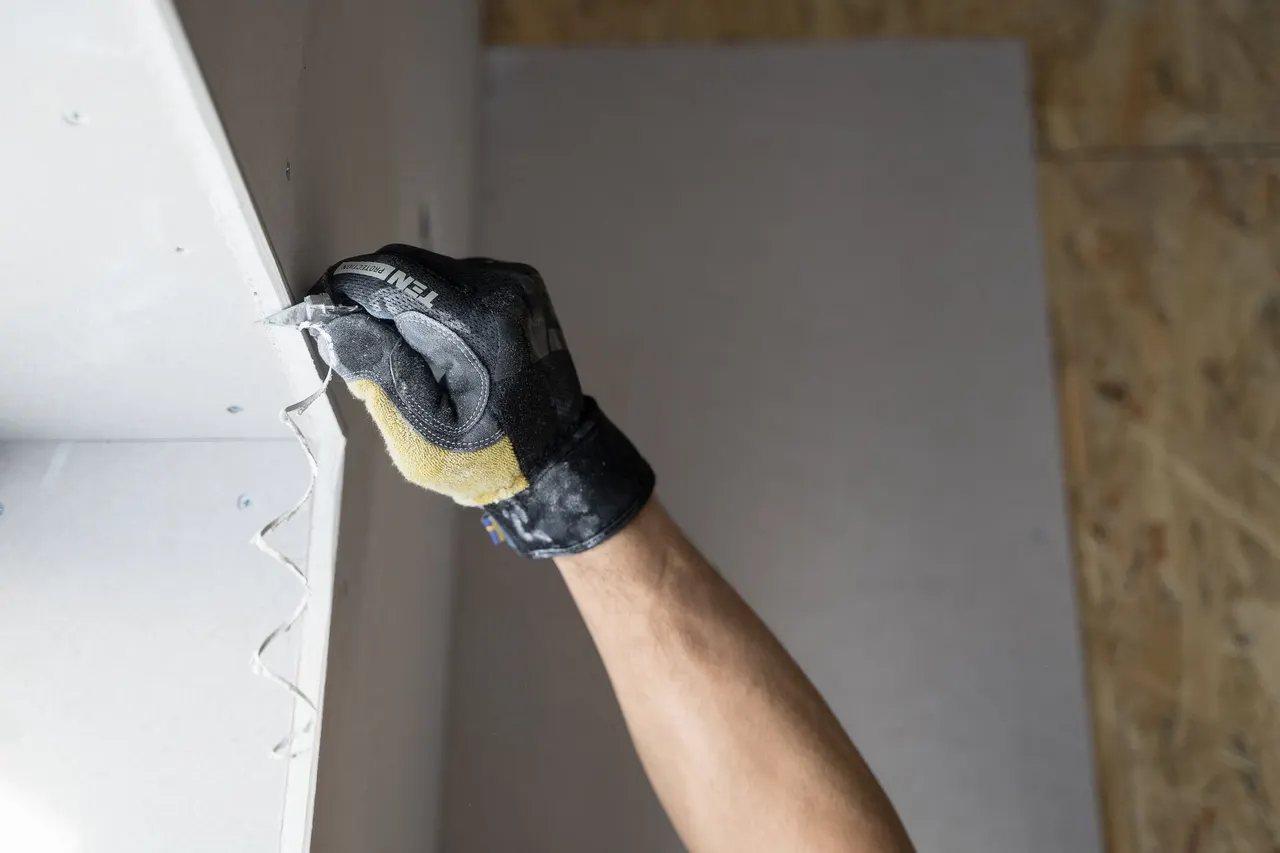
We shut the line down, extract the carpet and pad with a truck-mounted unit, and set drying equipment the same visit. If the pad is saturated, we pull it, dry the subfloor and replace the pad so the carpet above dries flat. Water spreads under pad and into the subfloor within hours, and mold can start growing in 24 to 48 hours if the carpet stays wet.
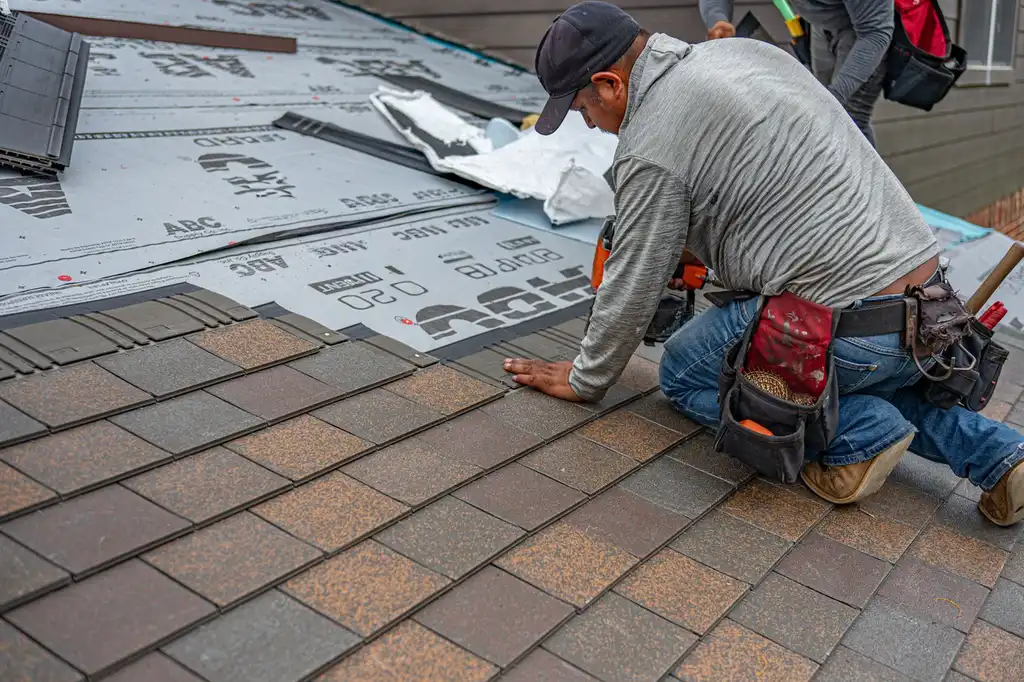
We extract the standing water, pull wet pad where needed, and dry the carpet, subfloor and lower drywall with air movers and dehumidifiers. We also check the pump and discharge line so the next storm does not repeat the flood. Standing water wicks up into carpet, pad and drywall, and the space stays humid long after the water looks gone, feeding musty odors and mold.
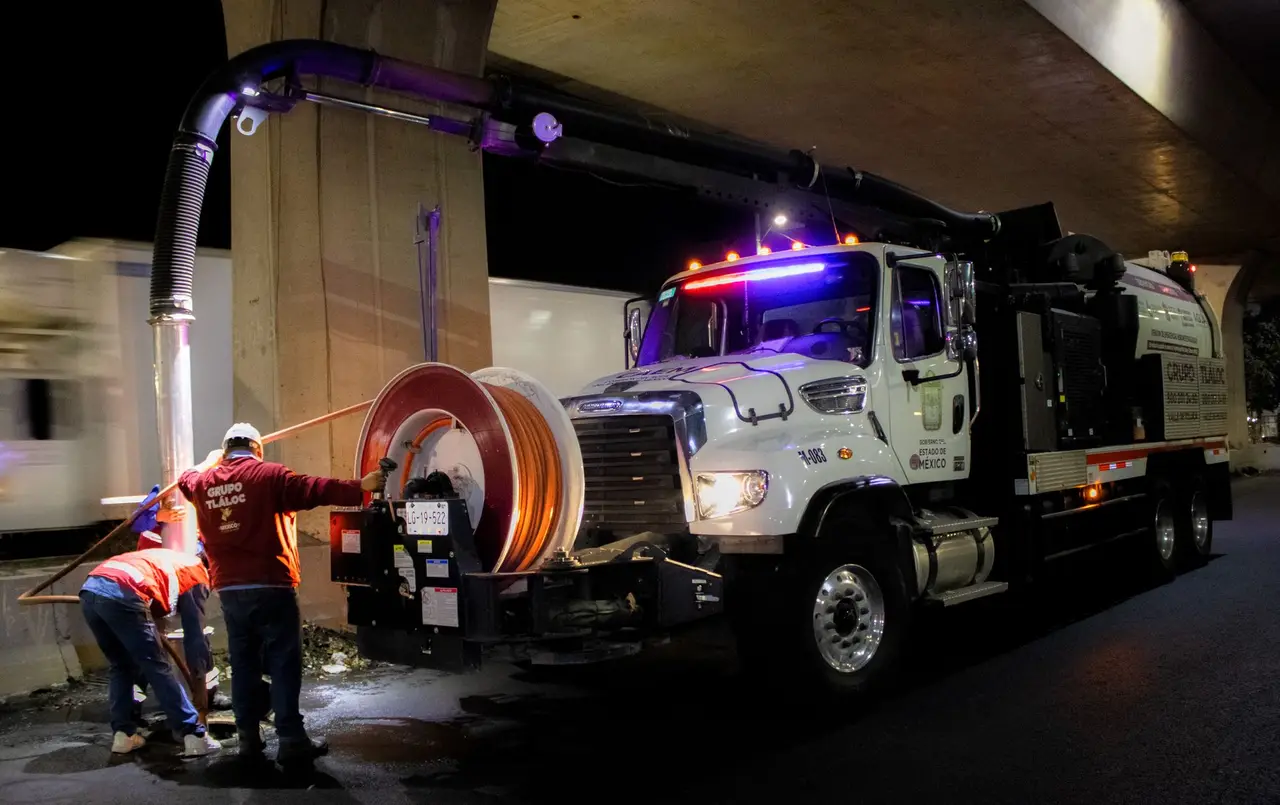
We move the appliance, extract the carpet and pad underneath, dry the subfloor and treat the area with antimicrobial solution. We check moisture at the edges of the room, not just the visible wet spot. Slow leaks from a washing machine or refrigerator hide under the appliance and soak pad for days before anyone notices the smell.
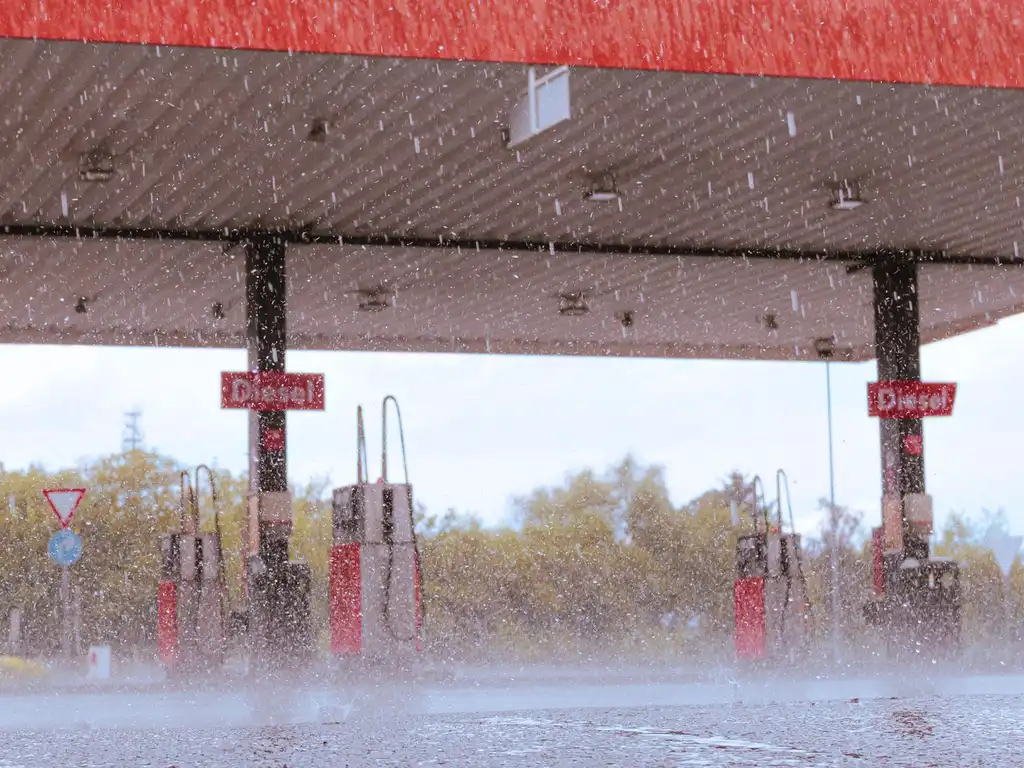
We remove the contaminated carpet and pad, extract and disinfect the subfloor, and dispose of the material properly. Then we dry the structure and document everything so your insurance claim reflects the removal. Category 3 water carries bacteria that cannot be cleaned out of carpet and pad, so drying it in place would leave a health hazard in the room.
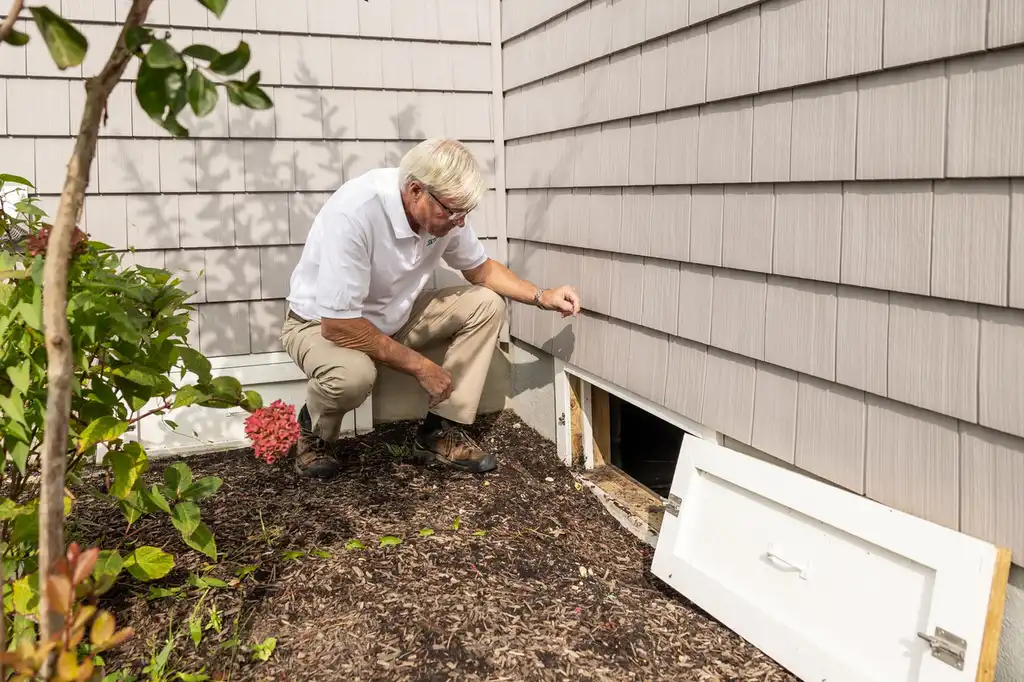
We extract the wet carpet, check the wall cavity with a moisture meter and thermal camera, and dry both the floor and the wall. If drywall is saturated, we cut and remove the wet section so the cavity can dry. Wind-driven rain soaks carpet at the perimeter first, and water often travels behind baseboards into drywall where it is not visible.
Carpet that gets extracted and dried within the first day or two usually survives. We have pulled water from wool and synthetic carpet in Downtown Jefferson City and Old Munichburg and dried it in place, avoiding a full tear-out. When the pad is delaminated or contaminated, we cut and replace only the affected section instead of the whole room.
Mold growth after water damage is the expensive part of any wet carpet cleanup Jefferson City Missouri job. We apply an antimicrobial solution to the carpet backing, pad and subfloor after extraction, then run dehumidifiers to pull the room below 50 percent relative humidity. That combination shuts down the conditions mold needs.
Sofas, mattresses and padded chairs hold water in foam and batting. We extract the surface, then use low-heat drying and air movement so fabric does not shrink, warp or grow musty odors. Upholstery water removal Jefferson City jobs get moisture-metered at the seams and frame, not just the top cushion.
Water passes through carpet and pad into wood subflooring, where it can cup boards and feed mold. We use a moisture meter and thermal imaging camera to check the decking under the carpet before we call a room dry. Catching subfloor moisture early is what keeps a small leak from turning into a floor replacement.
Clear records you can keep and share.
Rooms, materials and equipment listed for your claim
Daily readings from carpet, pad and subfloor
Before and after images of every wet area
Wet carpet is not automatically ruined, and dry carpet is not automatically safe. The difference is how much water reached the pad and subfloor, and how long it sat there.
Carpet pad acts like a sponge and keeps the subfloor wet long after the carpet surface feels dry. We meter the pad and subfloor, not just the carpet, before calling a room dry.
Clean water from a supply line is different from sewage or floodwater. Category 3 water means the carpet and pad come out, because no amount of drying makes contaminated material safe.
Carpet extracted within the first day or two usually dries in place. Carpet that stays wet for several days often delaminates and grows mold, which means replacement rather than drying.
Outside these areas? Call and ask, we will tell you straight. +15736984623
Still wondering? +15736984623
Most residential carpet and upholstery water extraction jobs in Jefferson City run $250 to $900, depending on square footage, how much pad has to be removed, and whether upholstery is involved. A single room with clean water sits at the low end. Finished basements, multiple rooms or contaminated water push the price up. We give you a written price before we start, and we document everything for your insurance claim.
We do, and we are local. Our crews run out of Jefferson City and cover Cole County, including Downtown, Old Munichburg, Moreau Heights, Sunset Lake and Riverside. We carry truck-mounted extractors and drying equipment on the truck, so we are not waiting on a warehouse. Call +15736984623 and we will tell you exactly when we can be at your address.
Often, yes, if we get to it within the first 24 to 48 hours. Carpet that is extracted and dried quickly usually survives, especially with synthetic fibers. Carpet soaked by sewage backup or standing more than two or three days is usually a tear-out because of contamination and pad breakdown. We check the backing and pad with a moisture meter and tell you honestly which way it goes.
The extraction itself usually takes one to three hours for a typical room, and we can often do a whole floor in a single visit. Drying is the longer part: air movers and dehumidifiers generally run two to four days, and we check moisture readings daily. You can usually walk on the carpet between visits, but we ask you to keep furniture off it until it is dry.
Every hour water sits in carpet pad, the odds of saving it drop. Call +15736984623 and we will dispatch an extraction crew to your Jefferson City address. Upfront pricing, photo documentation for your claim, and drying equipment on the same visit.
Call +15736984623 any time, day or night. A live dispatcher answers, not a machine, and we will tell you exactly when a crew can reach your address. Most Jefferson City calls see a technician within about 60 minutes. If you prefer email, send photos and your address to info@24/7jeffersoncitywaterdamagerestoration.com and we will follow up fast.