Written scope
Photos, readings, and a clear plan
When mold shows up after a leak, flood, or humid Missouri summer, mold remediation and removal Jefferson City MO crews handle it fast. We inspect, contain, and remove mold from attics, basements, and crawl spaces, then dry the structure so it does not return. If you have seen black spots or smelled something musty, call us today.
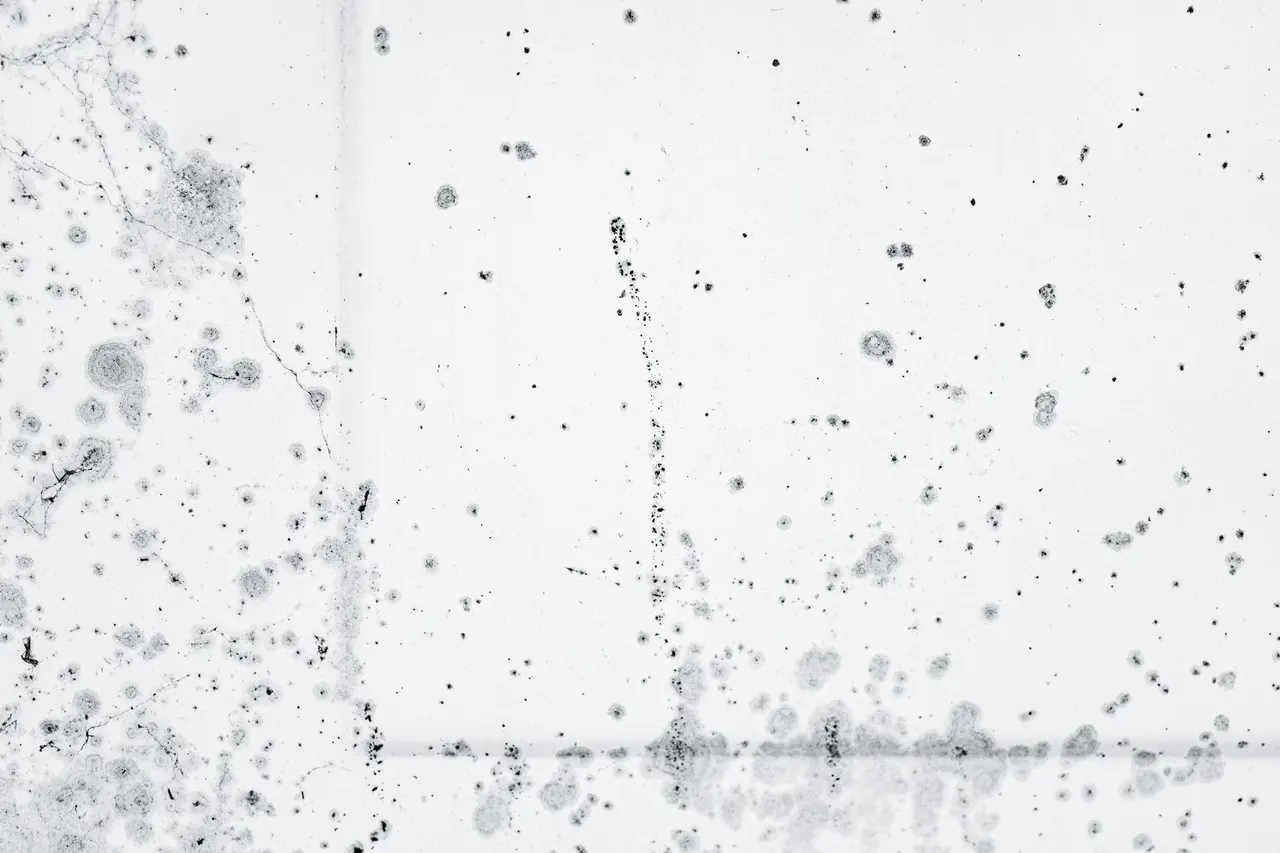
Every mold job starts with inspection and containment and ends with verified dry readings. Here is what is included in a standard scope, and what we handle as an add-on when the damage calls for it.

We remove mold from basements, attics, and crawl spaces and dry the structure so it does not return. You get photos and moisture readings at the final walkthrough.
We contain the affected area, remove moldy materials, and dry the space so your doors stay open. Work is scheduled around your operating hours.
Mold remediation and removal Jefferson City MO is the process of finding mold, containing it, removing contaminated materials, and drying the structure so it cannot grow back. We start with moisture mapping using a thermal imaging camera and moisture meter, then set up plastic sheeting and ZipWall barriers to keep spores from spreading. Affected drywall, insulation, and wood subflooring get removed, bagged, and disposed of properly.
Jefferson City sits along the Missouri River, and that river valley humidity keeps crawl spaces and basements damp well into fall. After a burst pipe, sump pump failure, or roof leak, mold can start growing in 24 to 48 hours. If you search for a mold removal service Jefferson City MO homeowners call after storm damage, you want a crew that dries the structure, not just wipes the surface. We treat the cause first.
Find the moisture, remove the mold, dry the structure, verify the readings.
Every job follows the same sequence so nothing gets missed. Here is what you can expect from the first call to the final walkthrough.

We arrive, ask about the water event, and inspect with a thermal imaging camera, moisture meter, and borescope inspection camera. We check behind walls, under floors, and inside HVAC spaces. You get a written scope with photos and moisture readings, usually within a few hours of the call.

We seal off the work area with plastic sheeting and ZipWall barriers, then run a negative air machine with HEPA filtration. This keeps spores from drifting into clean rooms while we work. Setup takes 30 to 60 minutes depending on the size of the affected area.

Contaminated drywall, insulation, and porous materials come out and get bagged. We HEPA vacuum exposed framing and apply an antimicrobial solution to stop regrowth. Non-porous surfaces like tile and concrete get cleaned and disinfected rather than removed.
Air movers and dehumidifiers run until framing and subflooring hit dry standard. We check readings daily with a hygrometer and adjust equipment as needed. Most Jefferson City jobs dry in three to five days, depending on how wet the structure was.
We do a final moisture check and visual inspection, then hand over documentation. If drywall or insulation needs replacing, we install new material and seal it. You get a clear report showing before-and-after readings so you know the mold is gone.
Finds temperature differences that reveal hidden moisture behind walls, under floors, and in ceilings before mold is visible.
Measures moisture content in wood, drywall, and air so we know when materials hit dry standard.
Lets us look inside wall cavities and crawl spaces without unnecessary demolition.
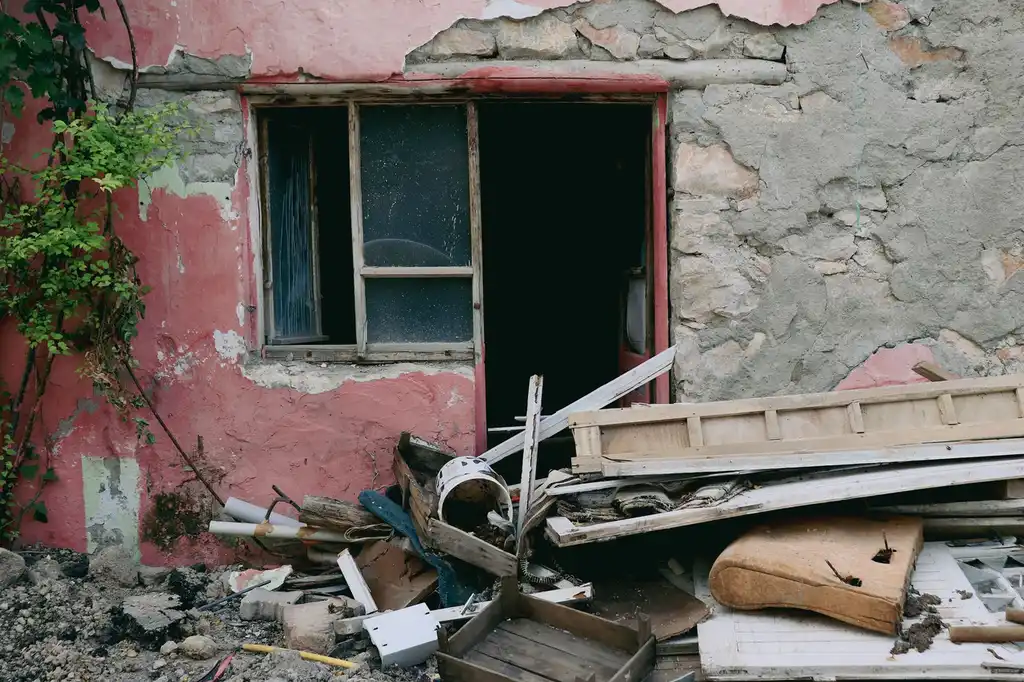
Keeps spores contained and filters the air during removal and cleanup.
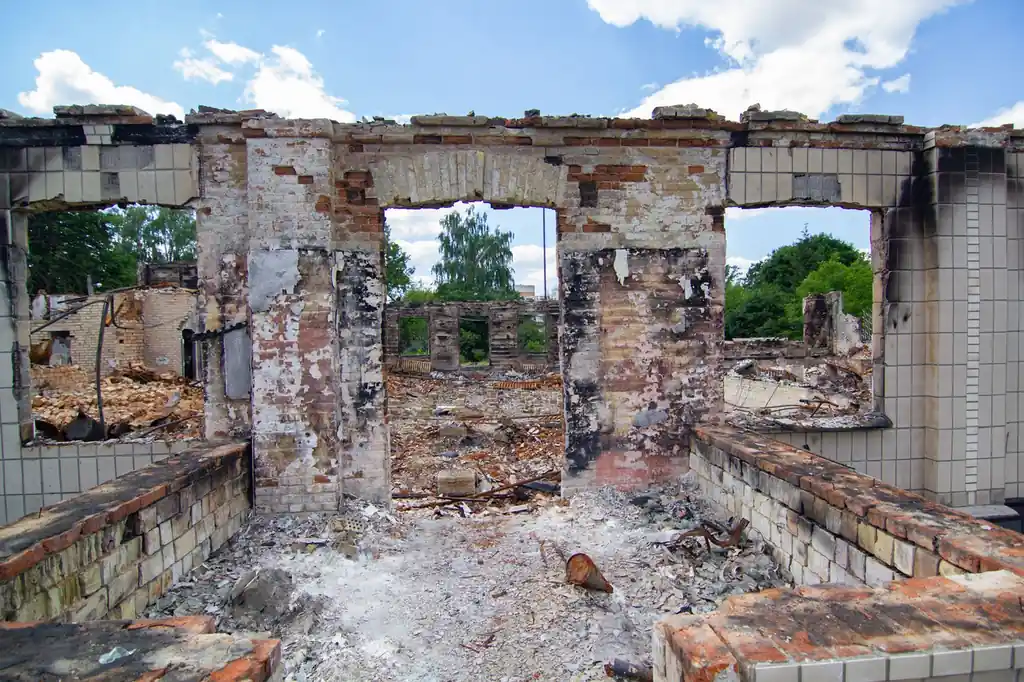
Pulls moisture out of framing, subflooring, and insulation until readings are dry.

Neutralizes musty odors at the source after mold removal and drying.
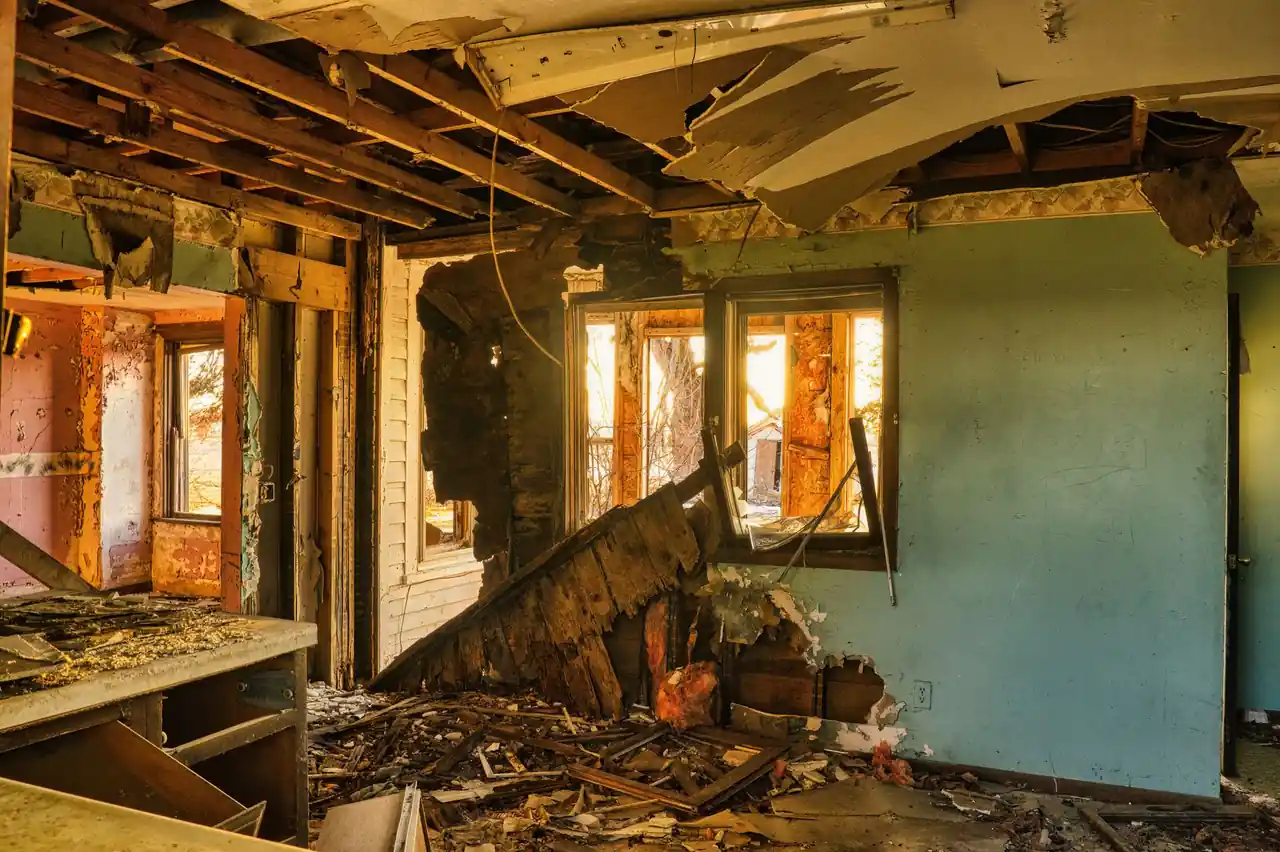
Seals the work area so dust and spores do not spread to clean rooms.
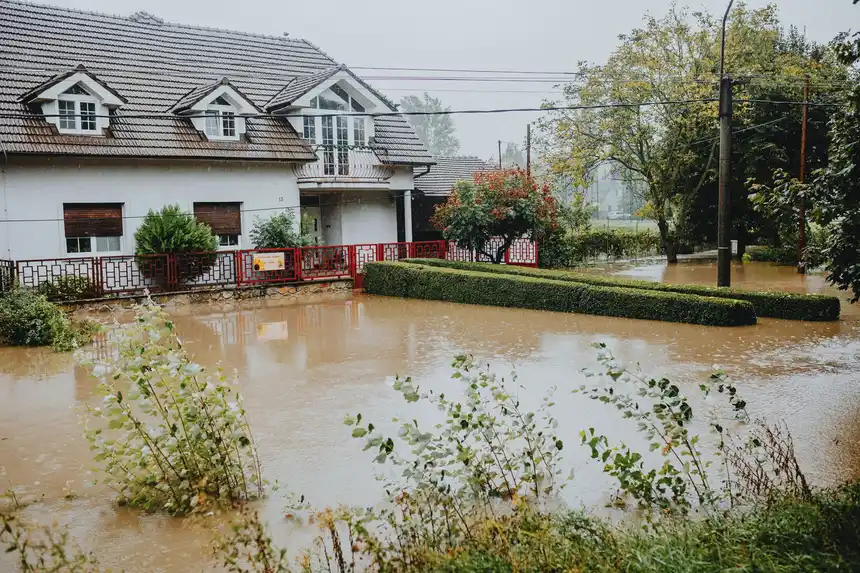
Our IICRC AMRT-certified technicians follow the industry standard for containment, removal, and disposal. That means proper barriers, HEPA filtration, and documented moisture readings from start to finish.
We extract standing water, remove wet carpet and pad, and dry the slab and framing. If mold has already started in corners or behind stored items, we contain and treat those areas as part of the same job. The basement is dry, mold-free, and documented for insurance. Most jobs like this finish in four to six days.
We shut off the water, open the wall, extract, and dry the cavity. If mold has started on the paper facing or framing, we remove and treat it before closing the wall. The wall is repaired and dry, with no musty smell. Typical timeline is five to seven days including rebuild.
We tarp the roof, inspect the attic with a thermal camera, and remove moldy sheathing or insulation. The attic is dried and treated, and we document the scope for your claim. The attic is dry and mold-free, and the ceiling is repaired. Most attic jobs run three to five days.
We inspect after hours, contain the affected area, and remove moldy drywall or ceiling tile. Drying equipment runs overnight so the office can stay open. The odor is gone, the space passes a moisture check, and the tenant is back to normal use within a week.
Jefferson City sits in the Missouri River valley, and that geography drives most of our mold work. Summer humidity pushes indoor moisture up, and fall rain plus winter freeze-thaw cycles stress pipes and roofs. Crawl spaces and basements in older homes around Downtown and Old Munichburg stay damp longer because they were built before modern vapor barriers. When a sump pump fails or a pipe bursts, mold can start in 24 to 48 hours. We adjust drying plans for that reality, running dehumidifiers longer in crawl spaces and checking wood subflooring with a hygrometer before we close a job. If you need professional mold remediation Jefferson City Missouri crews who understand local building stock, call us. We also coordinate with the Missouri Department of Natural Resources on disposal and follow EPA Lead-Safe practices in pre-1978 homes.
A sump pump failed during a spring storm and flooded a finished basement in Moreau Heights. Carpet, pad, and lower drywall were soaked for two days before the homeowner called. Visible mold had started along the baseboards and behind the paneling.
We extracted water, removed carpet, pad, and affected drywall, then dried the slab and framing for four days. Final hygrometer readings were dry, and the basement tested clean. The homeowner had new baseboards and paint within a week.
We recommended a battery backup sump pump and a dehumidifier set to 50 percent relative humidity. Both keep the basement dry through spring storms.
A roof leak dripped into an attic in Downtown Jefferson City for several weeks. The homeowner noticed a ceiling stain and a musty smell upstairs. Insulation and sheathing had visible black mold growth across about 60 square feet.
We tarped the roof, removed moldy insulation, HEPA vacuumed and treated the sheathing, and dried the attic for three days. Moisture readings returned to dry standard, and the ceiling was repaired after the roofer fixed the leak.
We suggested an annual attic inspection each fall before the rainy season. Catching a leak early avoids a repeat remediation job.
A crawl space in Cedar City had standing water after a storm and mold on the joists and insulation. The homeowner noticed a musty smell in the living room above. Humidity in the crawl space was above 80 percent.
We removed standing water, took out moldy insulation, treated the joists, and dried the space for five days. Final readings showed wood moisture under 15 percent, and the musty smell was gone from the house.
We installed a vapor barrier and recommended a crawl space dehumidifier. Keeping humidity down is the best way to stop mold from returning.
Most mold calls start with a water event the homeowner did not catch in time. Here are the problems we see most often and how we fix them.
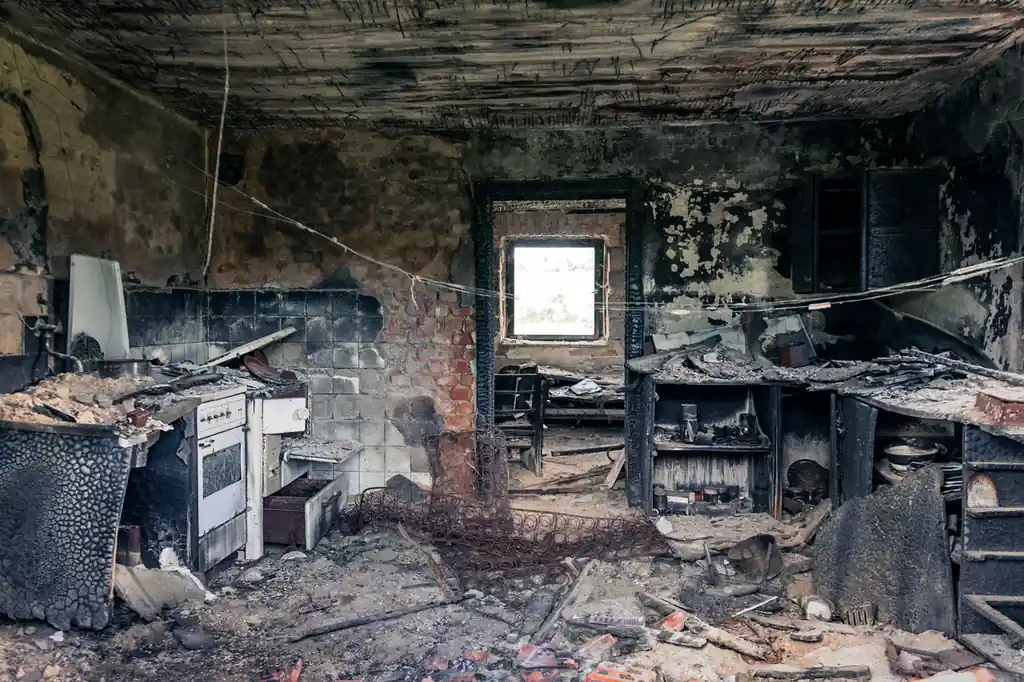
We inspect with a thermal camera and moisture meter, find the source, contain the area, and remove contaminated materials. After drying and odor treatment, the basement smells neutral again, and we show you the dry readings that prove it. Persistent odors usually mean active mold growth behind walls or under carpet. Ignoring it lets spores spread into living space and can trigger allergies and respiratory issues.
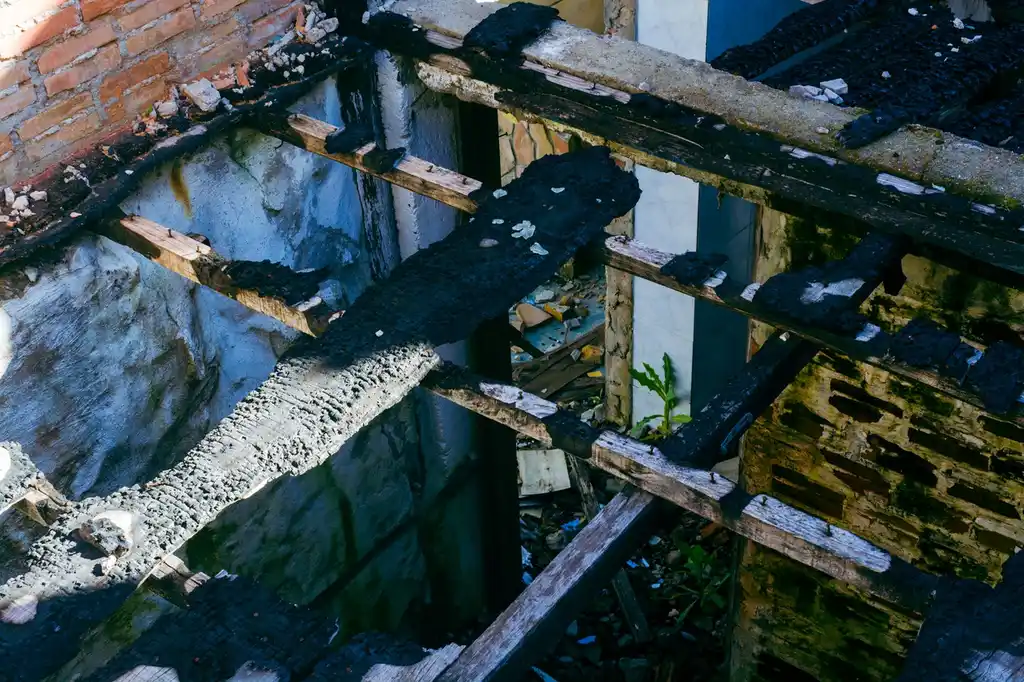
We cut out affected drywall, dry the framing, treat the wood with an antimicrobial solution, and install new material. This is the standard approach for black mold removal Jefferson City homeowners need after a slow roof leak. Black mold on drywall means the paper facing is colonized. Cleaning the surface does not fix it because the mold has grown into the material and the framing behind it.
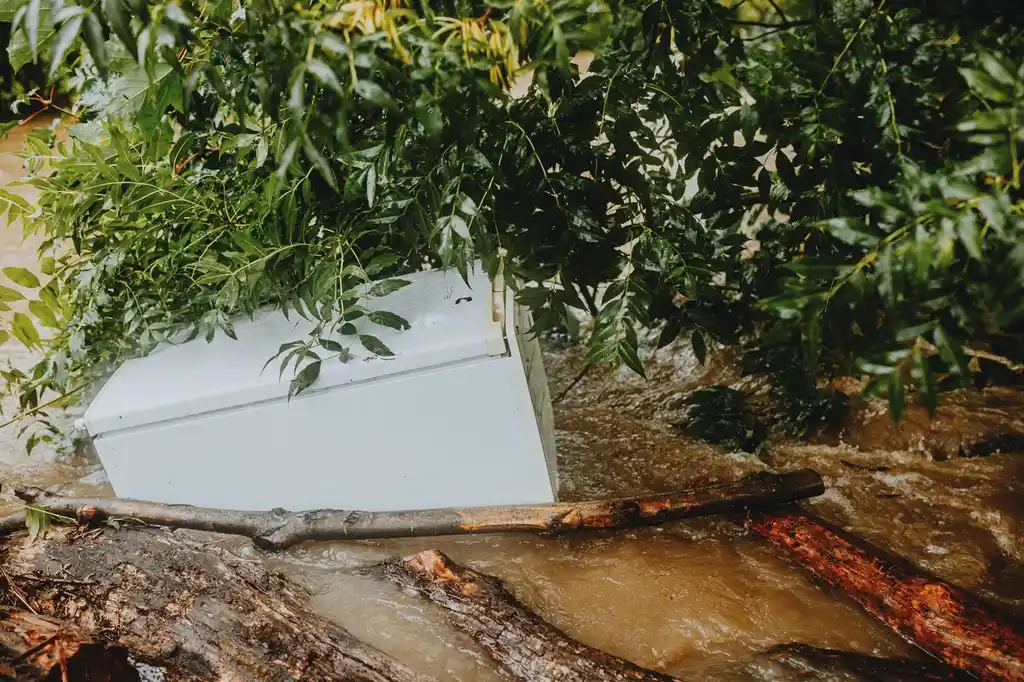
We remove standing water, dry the joists and subflooring, remove moldy insulation, and treat the wood. We also recommend moisture control so the crawl space stays dry through the next humid season. Crawl spaces trap humid air, and mold on joists and insulation spreads upward into the floor system. Left alone, it can compromise wood and worsen indoor air quality.

We pull the appliance, open the wall, and inspect with a borescope. Contaminated cabinet sections and drywall come out, the cavity is dried and treated, and we rebuild once readings are dry. Slow leaks from a dishwasher or fridge soak the cabinet base and wall cavity. Mold grows out of sight until you notice a smell or see discoloration at the toe kick.
Mold spores trigger allergies, coughing, and sinus problems. We remove the source and run HEPA vacuum and negative air machine filtration so airborne spores drop to safe levels. Most Jefferson City homes see a noticeable difference in air quality within 48 hours of completed mold cleanup and removal Jefferson City Missouri work.
Removing mold without drying the wood and drywall behind it means it comes back. We use Dri-Eaz and Phoenix Restoration Equipment dehumidifiers and air movers to pull moisture out of framing, subflooring, and insulation. We verify with a hygrometer before we call the job done.
Most mold claims need photos, moisture readings, and a written scope. We document everything with Xactimate-compatible reports and thermal images so your adjuster has what they need. That paperwork often speeds up approval for black mold removal Jefferson City projects tied to a covered water loss.
Musty odors come from mold colonies and damp materials, not the air itself. We remove the source, then use an ozone generator or hydroxyl generator to neutralize lingering smells. Customers in Old Munichburg and Millbottom tell us the basement finally smells like a basement again, not a swamp.
Clear records you can keep and share.
Photos, readings, and a clear plan
Hygrometer logs at final walkthrough
Documentation your adjuster can review
Mold needs moisture, so removing growth without fixing the water source means it comes back. Drying the structure is the step that makes removal permanent.
Mold cannot grow without water. We trace the source before removing anything. Fixing the leak or drying the space is what stops regrowth.
Drywall, insulation, and carpet usually come out because mold grows into them. Tile, concrete, and framing can often be cleaned and treated instead.
We check moisture with a hygrometer before closing a job. Dry readings are the proof that the structure will not feed new mold.

Outside these areas? Call and ask, we will tell you straight. +15736984623
Most Jefferson City mold jobs run $1,200 to $6,500 in 2026, depending on square footage and how deep the growth goes. Small attic or bathroom spots can land under $1,500. Crawl space and basement jobs with contaminated insulation or drywall push higher. We give you a written scope with pricing before work starts, and we document everything for insurance.
We do. Our crews work out of Jefferson City and cover Cole County, including Downtown, Old Munichburg, Cedar City, and Moreau Heights. We handle inspection, containment, removal, drying, and rebuild. If you need a mold removal service Jefferson City MO homeowners recommend after water damage, call +15736984623 and we will schedule an assessment.
Often yes, when the mold came from a covered event like a burst pipe, appliance leak, or storm-driven roof leak. Sudden and accidental water damage is usually covered; long-term neglect typically is not. We document moisture readings, photos, and a written scope so your adjuster can review the claim quickly. Call us and we will walk you through what to send.
Most residential mold jobs take three to seven days from containment to final verification. Small areas under 50 square feet can finish in two to three days. Larger crawl space or basement jobs with drying and rebuild can run one to two weeks. We give you a day-by-day schedule after the initial inspection so you know what to expect.
Mold spreads while you wait. Call +15736984623 and we will schedule an inspection, give you a written scope, and start containment. Same-day appointments are often available for urgent Jefferson City jobs.
Call +15736984623 any time, day or night. A live dispatcher answers, not a machine, and we will tell you exactly when a crew can reach your address. Most Jefferson City calls see a technician within about 60 minutes. If you prefer email, send photos and your address to info@24/7jeffersoncitywaterdamagerestoration.com and we will follow up fast.