Written moisture map
Room-by-room readings and wet boundaries
When you need moisture detection and thermal imaging inspection Jefferson City MO, we scan walls, ceilings, and floors with infrared cameras and pin-type meters to map every wet pocket. Homeowners, landlords, and property managers across Cole County call us after a burst pipe, roof leak, or musty smell. We locate the source, document the readings, and hand you a clear scope the same day.
Every inspection covers the basics: thermal scan, meter readings, source tracing, and a written report. Add-ons like drying equipment setup or mold sampling are quoted separately if needed.
We scan your walls, ceilings, and floors to find water you cannot see. You get a written map of the wet areas and a plan for drying.
We scan offices, retail spaces, and multi-unit buildings to locate hidden moisture fast. You get documentation formatted for commercial insurance claims.
Moisture detection and thermal imaging inspection Jefferson City MO is a diagnostic service that uses infrared cameras, pin-type moisture meters, and hygrometers to find water hiding behind drywall, under hardwood, and inside ceiling cavities. We walk the structure room by room, comparing surface temperatures and taking calibrated readings at every suspicious spot. The camera shows us cool, wet areas that look completely dry to the eye. The meters confirm the exact moisture content. You get a map of the problem, not a guess.
Jefferson City sits in a river valley where summer humidity climbs past 90 percent and winter freeze-thaw cycles crack supply lines in older homes. A slow supply-line drip behind a kitchen wall can feed mold for weeks before you smell it. If you search for thermal imaging inspection near me Jefferson City MO, you want a team that reads the camera correctly and knows where these houses fail. We check the usual suspects: rim joists, crawl space vapor barriers, and the ceiling under second-floor bathrooms.
We scan with infrared, confirm with meters, and show you exactly what is wet.
Every job follows the same five steps, whether we are checking a single bathroom or a flooded commercial basement. Here is exactly what happens from the phone call to the final report.
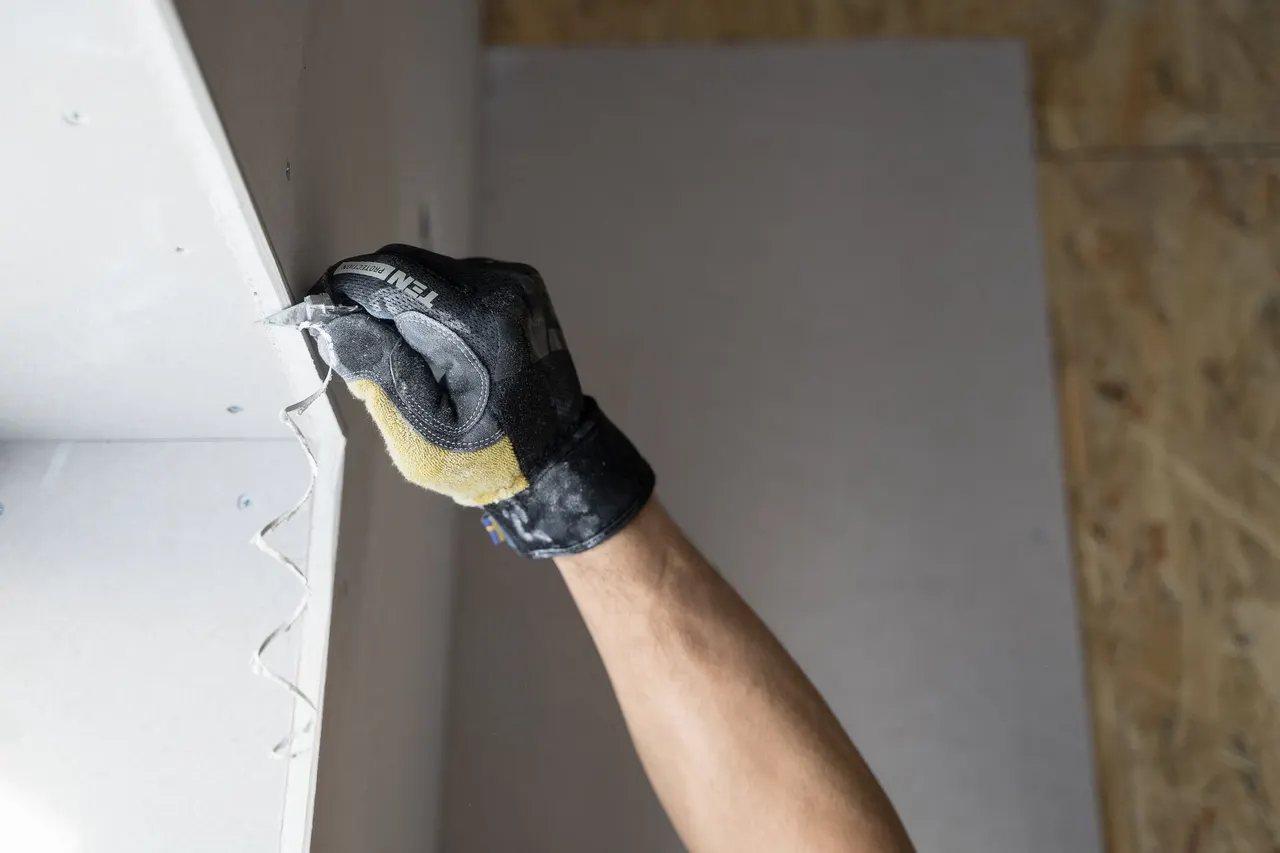
You call and describe what you are seeing: a ceiling stain, a musty closet, a spike in the water bill. We ask about the building age, the water source, and whether the area is still wet. That conversation takes five to ten minutes and lets us load the right equipment before we leave the shop.
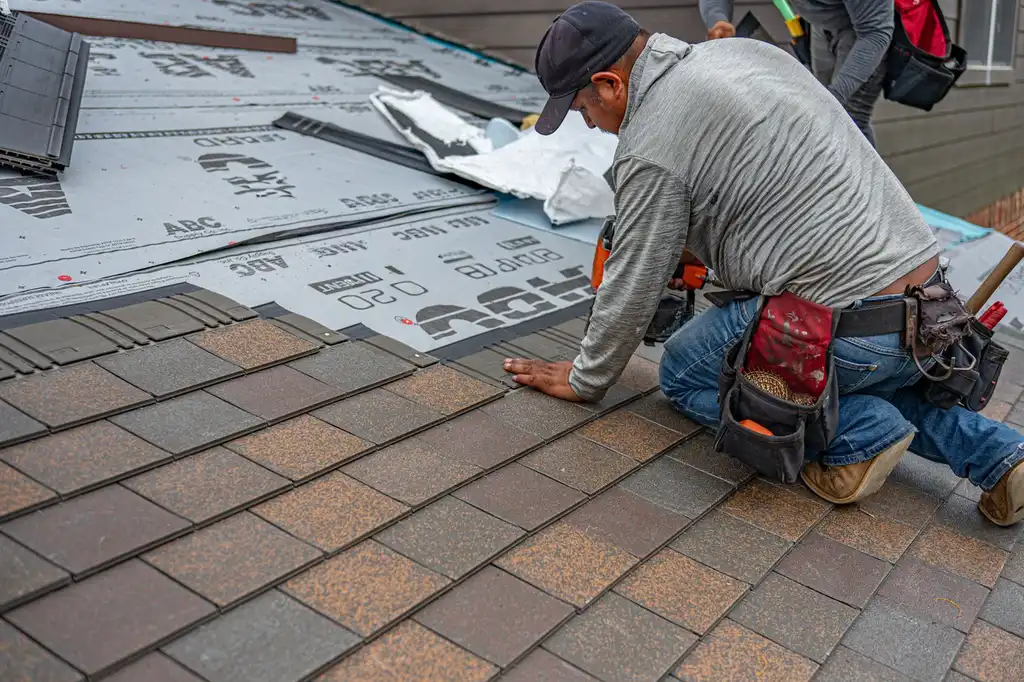
On arrival, we walk the affected area and the rooms around it. We look for staining, bubbling paint, warped baseboards, and soft subfloor. This pass takes 15 to 20 minutes and tells us where to point the thermal camera first. We also check the water heater pan and supply lines.
We run the thermal imaging camera across walls, ceilings, and floors, then confirm each anomaly with a pin-type moisture meter and a hygrometer. Readings get logged by room and by material. A standard residential scan covers 800 to 1,500 square feet in about an hour.
If the moisture is coming from a supply line, drain, or roof penetration, we trace it. A borescope inspection camera lets us look inside wall cavities without a full cut. We check the attic side of ceiling stains and the crawl space under first-floor bathrooms. This step usually adds 20 to 40 minutes.
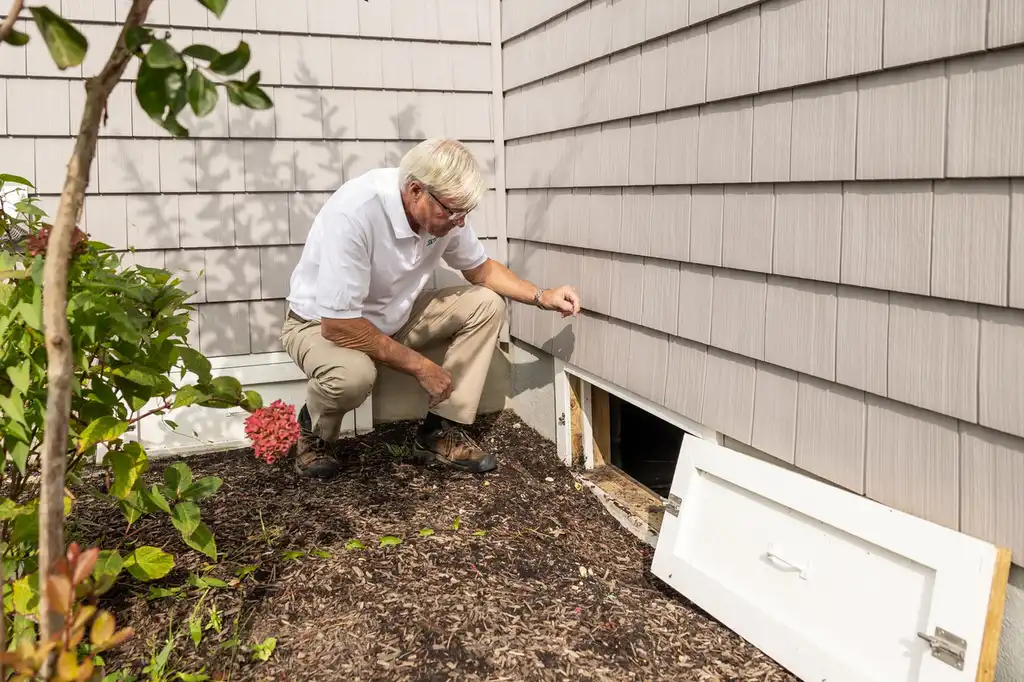
We sit down with you, show the thermal images, and explain what is wet and what is not. You get a written moisture map, meter readings, and a recommended drying or repair scope. If drying equipment is needed, we can set it the same visit and bill it separately from the inspection.
Detects temperature differences on surfaces to reveal moisture behind walls, under floors, and above ceilings. We use it to scan large areas quickly and mark anomalies for meter confirmation.
Measures the exact moisture content of drywall, wood, and other materials. We use it to confirm every thermal anomaly and log readings by room for the report.

Measures relative humidity and temperature in the air. We use it to determine whether the environment is dry enough or whether dehumidification is still needed.

A flexible camera that fits inside wall cavities through a small hole. We use it to look at plumbing, framing, and insulation without cutting open the wall.
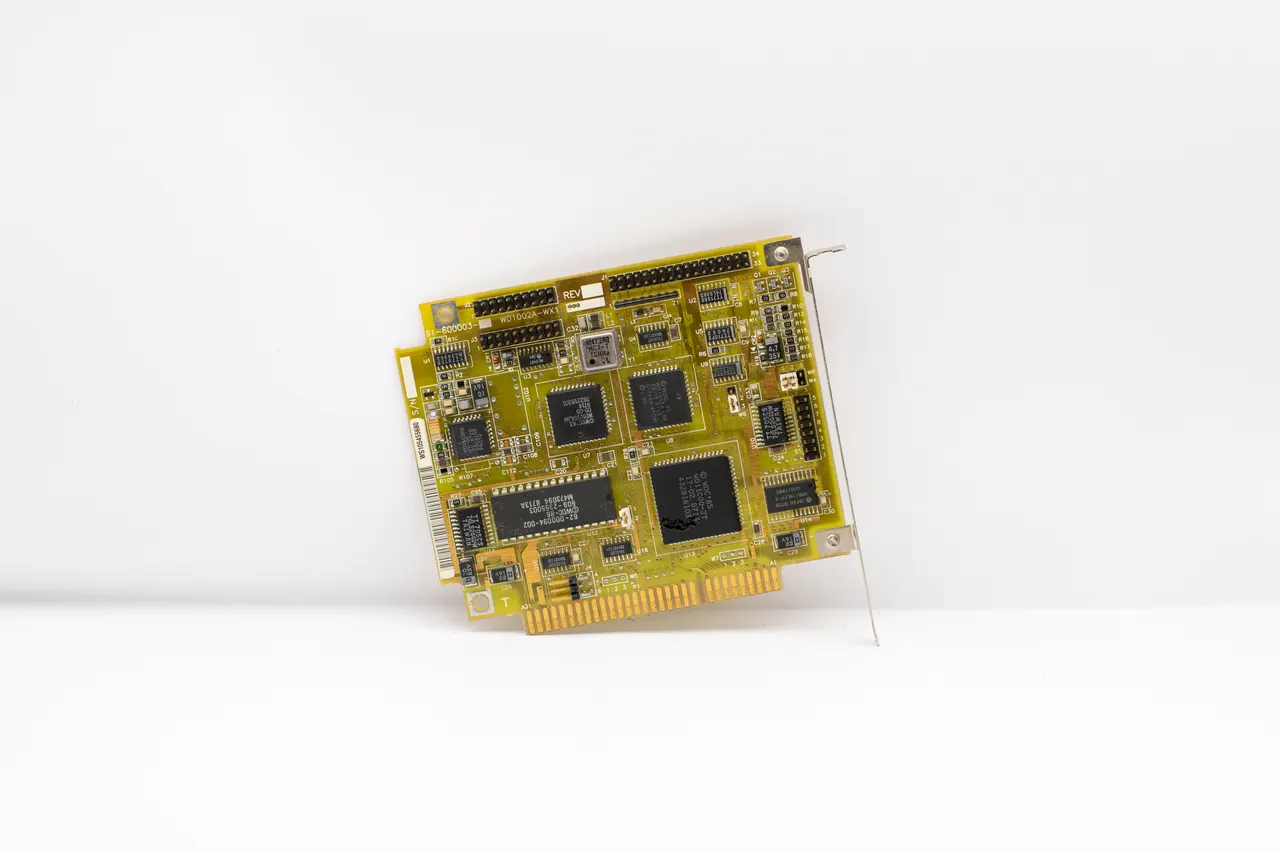
Professional-grade moisture meters and sensors that we calibrate before each job. Accurate readings are the foundation of a reliable inspection report.

We follow IICRC Water Restoration Technician and Applied Structural Drying standards for moisture measurement and documentation. That means readings are taken at consistent depths and logged in a format that insurance adjusters recognize.
A thermal camera can show false positives from air leaks or reflective surfaces. We confirm every anomaly with a pin-type meter before calling it a moisture problem. That two-step process eliminates guesswork.
We map the moisture plume room by room, marking the boundary where readings return to dry standard. That map tells your repair crew exactly where to cut and where to leave alone.
We scan the surrounding walls, floors, and cabinets to find water that migrated out of sight. Thermal imaging reveals moisture behind toe kicks and inside wall cavities that a towel and fan will never dry. You get a moisture map that tells your drying crew exactly where to place equipment, preventing mold growth in hidden pockets.
A pre-sale or pre-purchase inspection scans the whole house, including the attic and crawl space. We document any elevated readings and provide a report you can share with your agent or lender. You negotiate with facts, not guesses. The report gives you leverage and protects you from inheriting someone else's water problem.
We scan the foundation walls, floor joists, and subfloor with thermal imaging. Meter readings confirm whether the moisture is from a leak, poor drainage, or high humidity. You get a clear diagnosis and a plan: seal the leak, improve drainage, or install a dehumidifier. The damp smell goes away once the source is fixed.
We re-scan the repaired area and compare readings to the dry standard. If moisture remains behind new drywall or under flooring, we find it and document it for a warranty or insurance follow-up. You know whether the repair was done correctly. If it was not, you have the evidence to hold the contractor accountable.
Jefferson City sits in the Missouri River valley, where summer humidity regularly tops 90 percent and winter brings freeze-thaw cycles that crack older supply lines. The housing stock ranges from 1920s bungalows near Capitol Avenue to newer slab-on-grade builds in Westview Heights. Each type fails differently. Historic homes have galvanized pipes that corrode from the inside and plaster walls that hold moisture longer than drywall. Newer homes have tighter envelopes that trap humidity, especially in crawl spaces with inadequate vapor barriers. When you call for moisture detection service Jefferson City, we ask about the building age and the water source before we arrive. That tells us whether to expect a plumbing leak, a roof intrusion, or condensation. For a moisture detection and thermal imaging inspection near me Jefferson City MO, we bring a thermal camera, pin-type meters, and a borescope. We scan the attic, the crawl space, and the living areas, then log readings by room. If you need 24/7 moisture detection Jefferson City MO, we can be on site the same day, including weekends.
A homeowner noticed a musty smell in the hallway but no visible water. The bathroom had been remodeled five years earlier. A visual inspection found nothing. The moisture had been feeding mold behind the shower wall for months.
Thermal imaging found a cold spot behind the shower tile. Meter readings confirmed 28 percent moisture content in the drywall, well above the 10 percent dry standard. We marked the wet zone, and the homeowner had the wall opened, dried, and repaired. Mold was contained to a two-square-foot area.
Check the shower pan and grout lines every six months. Reseal any cracks immediately. A $20 tube of caulk prevents a $2,000 repair.
A ceiling stain appeared after a spring storm. The roofer could not find the leak. The stain grew larger over two weeks. The homeowner was worried about mold and structural damage.
We scanned the ceiling from below and the attic from above. The thermal camera showed the water trail running six feet along a rafter. The source was a failed pipe boot around a vent. We documented the moisture path, and the roofer replaced the boot. The attic insulation was dried and the ceiling repaired.
Inspect roof penetrations and vent boots each spring. A cracked boot costs under $50 to replace. The water damage it causes can run into the thousands.
A homeowner complained of a damp smell in the living room. The crawl space had no vapor barrier. Floor joists were reading high on a handheld meter, but the source was unclear. The smell was getting worse each month.
Our thermal scan showed moisture along the entire foundation wall and under the subfloor. Readings confirmed 22 percent moisture content in the joists. We recommended a vapor barrier and directed drying. After installation, readings dropped to 11 percent. The smell disappeared.
Keep gutters clean and extend downspouts at least six feet from the foundation. Check the crawl space vapor barrier each fall for tears or gaps.
These are the calls we get most often in Jefferson City. Each one involves moisture you cannot see until it has already done damage.
We scan the area with a thermal camera and confirm with meter readings. Once we find the wet pocket, we identify the source, document the extent, and recommend antimicrobial treatment plus drying before the mold spreads further. A persistent musty smell usually means mold is growing behind drywall or under flooring. By the time you smell it, the colony has been active for days or weeks.
We trace the leak from above using thermal imaging and a borescope. Whether it is a roof leak, a plumbing drip, or condensation, we find the source and give you a repair scope that solves it permanently. Painting over a ceiling stain without fixing the moisture source just hides the problem. The stain returns, and the drywall above it continues to degrade.
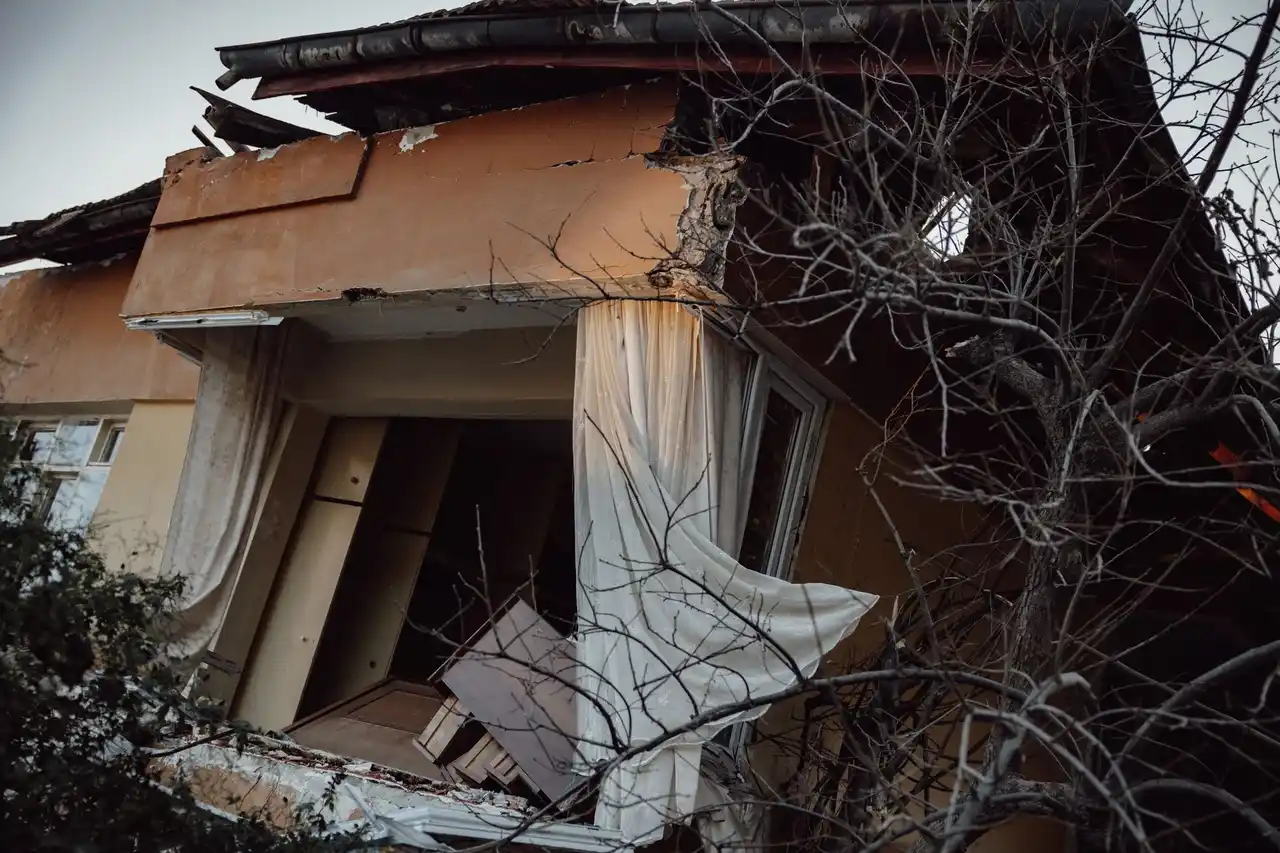
Our thermal scan follows the plumbing runs through walls and floors. We pinpoint the leak location and confirm with meter readings. Then we document the damage for your plumber or insurance claim. A slow supply-line leak can waste thousands of gallons before you notice. It also saturates framing and insulation, creating ideal conditions for mold and wood rot.
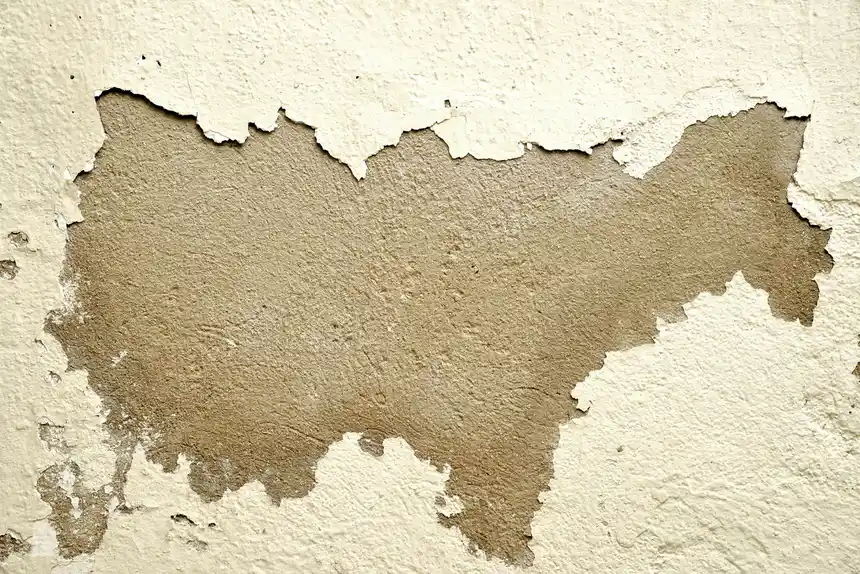
We scan the floor to map the wet zone, then use moisture meters to check the subfloor. We mark the affected boards and recommend drying mats or extraction before the damage becomes permanent. Water trapped under hardwood causes cupping and buckling within days. If the subfloor stays wet, the damage spreads to adjacent boards and the joists below.
Infrared scanning locates wet drywall and saturated insulation without tearing open every wall. We mark the exact boundaries of the moisture plume with tape, so your repair crew cuts only what is wet. On a typical 1,200-square-foot main floor, the scan takes 45 to 90 minutes and saves hundreds in unnecessary demolition.
Mold needs 24 to 48 hours of sustained moisture to colonize drywall paper and wood framing. Thermal imaging inspection in Jefferson City MO catches that window early. When we find elevated readings, we flag the area for antimicrobial treatment and drying before spores ever release into your living space.
We record thermal images, moisture meter readings, and a written moisture map for every affected room. That packet gives your adjuster the proof they need to approve drying equipment and repairs. Claims move faster when the damage is measured, not described in vague terms.
You do not wait a week for a report. We scan, measure, and explain the findings on site, then leave you a written scope with drying recommendations. For same day thermal imaging inspection Jefferson City, call before noon and we can usually be on your property that afternoon.
Clear records you can keep and share.
Room-by-room readings and wet boundaries
Photos of every anomaly we find
Equipment placement and monitoring schedule
A thermal camera shows temperature differences, not moisture directly. We confirm every anomaly with a pin-type meter before calling it a leak.
The camera shows cool spots that may be wet. A meter confirms the actual moisture content. We use both together.
Air leaks and reflective surfaces can look wet on camera. We rule those out with meter readings before you spend money on repairs.
The camera cannot see through metal or thick concrete. We use a borescope to check inside wall cavities where the camera cannot reach.
Outside these areas? Call and ask, we will tell you straight. +15736984623
Most residential inspections run $180 to $450 depending on square footage and how many areas we scan. A single-room check is on the low end. A full-house scan with attic and crawl space access is on the high end. If you need drying equipment set up afterward, that is billed separately. We give you the price before we start.
We do. Our technicians carry infrared cameras and moisture meters on every truck and serve all of Jefferson City and Cole County. You can call us directly at +15736984623. We are not a referral service. The person who answers the phone is part of the crew that will show up at your door.
Yes. Infrared cameras detect the temperature difference between wet and dry building materials, which reveals moisture behind walls, under floors, and inside ceilings. We confirm every thermal anomaly with a pin-type meter. That combination finds leaks that a visual inspection misses, including slow supply-line drips and roof leaks that only show up as a faint ceiling stain.
A standard residential scan takes 60 to 90 minutes for 800 to 1,500 square feet. Add 20 to 40 minutes if we need to trace a source into the attic or crawl space. Commercial buildings and multi-unit properties take longer, often two to four hours. You get verbal findings on site and a written report the same day.
One call gets a technician to your door with a thermal camera and moisture meter. We find the water, show you the readings, and give you a written plan. Call now and we will schedule the soonest available slot.
Call +15736984623 any time, day or night. A live dispatcher answers, not a machine, and we will tell you exactly when a crew can reach your address. Most Jefferson City calls see a technician within about 60 minutes. If you prefer email, send photos and your address to info@24/7jeffersoncitywaterdamagerestoration.com and we will follow up fast.