Written scope
Flat price and work plan before we start
When water reaches your HVAC system, every breath in your home carries risk. Our HVAC and air duct water damage cleaning Jefferson City MO service removes moisture, debris, and microbial growth from ductwork and air handlers. We serve homeowners and businesses across Cole County with same-day response and a documented drying plan. If your system pulled in floodwater, sewage, or storm runoff, call us before you run the furnace again.
Every job starts with a full inspection and ends with verified dry readings. The list below covers standard residential and light commercial work. If we find hidden damage behind walls or under floors, we show you and price that separately before proceeding.

If water reached your furnace or air handler, the ductwork needs cleaning before you run the system again. We inspect, extract, clean, and verify dry readings so your family breathes clean air.
Offices, restaurants, and retail spaces depend on clean airflow to keep customers and staff comfortable. We schedule duct cleaning around your hours and document everything for property records.
HVAC and air duct water damage cleaning Jefferson City MO is a specialized restoration process that removes water, debris, and microbial contamination from your heating and cooling system after a leak, flood, or burst pipe. It is needed when moisture enters the air handler, duct runs, or return plenums and starts feeding mold inside insulated cavities. We inspect with a borescope inspection camera, measure moisture with a moisture meter and hygrometer, and map the spread with a thermal imaging camera. Then we extract standing water, dry the system with air movers and dehumidifiers, and clean every affected surface with an antimicrobial solution.
Jefferson City sits in a river valley where frozen pipe bursts in January and sump pump failure after spring storms push water into basements and crawl spaces. When that water reaches a furnace or air handler, the blower fan spreads spores through every room within hours. A professional air duct cleaning Jefferson City Missouri service is the only way to remove that contamination from porous duct board and flex runs. We also handle HVAC and air duct water damage cleaning in Jefferson City Missouri for rental properties, churches, and small commercial buildings near the Capitol.
Water in ductwork spreads contamination through every room, so we clean and dry the whole system, not just the visible parts.
Every job follows the same sequence so you know what happens, who is in your home, and how long each phase takes. Most residential systems are dry and clean within one to two days.
You call, we ask what happened, and a technician arrives with a thermal imaging camera and moisture meter. We trace the water source, check the air handler, and inspect duct runs through accessible registers. You get a written scope and a flat price before any equipment rolls in. Typical arrival window is 60 to 90 minutes inside Jefferson City.
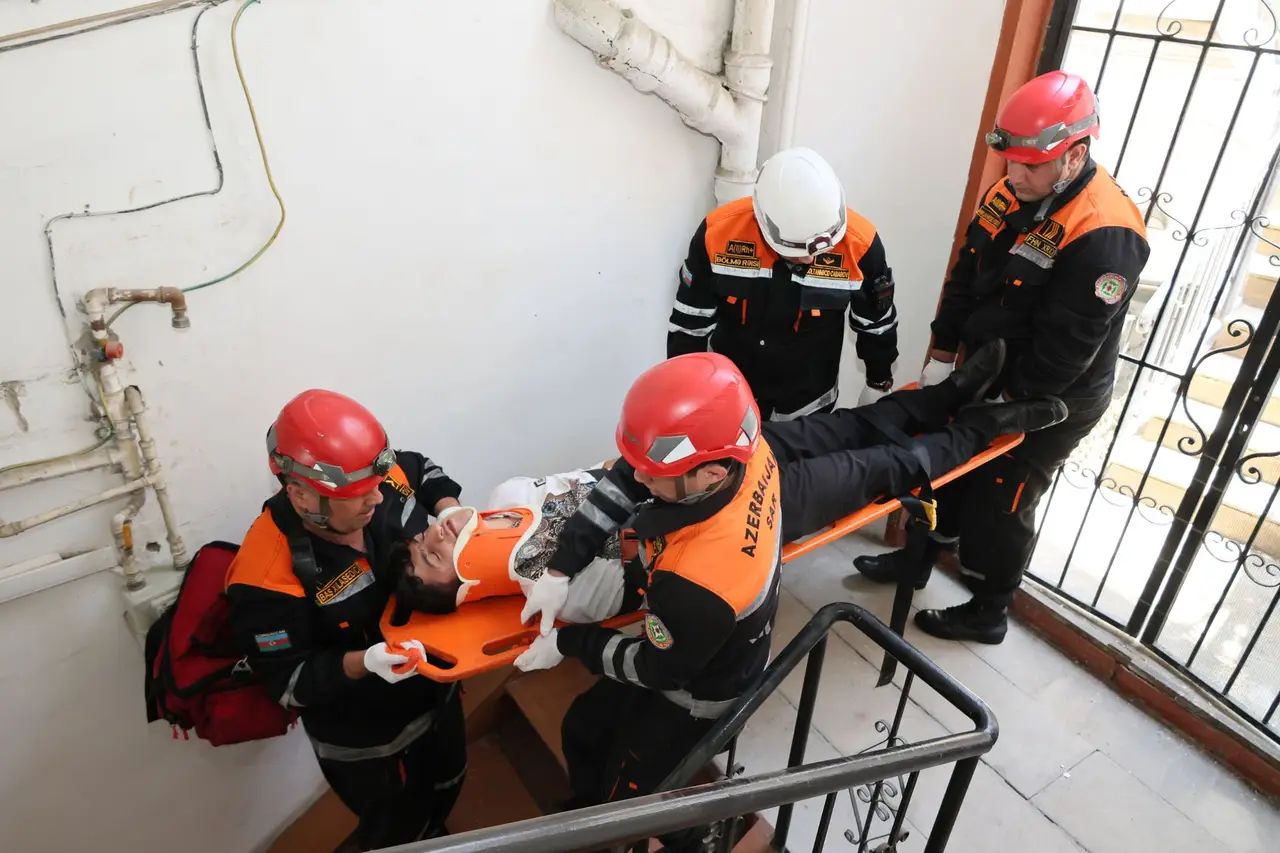
We extract standing water from the plenum and nearby ductwork using a truck-mounted water extractor or portable extraction unit. Plastic sheeting and ZipWall barriers isolate the work zone so debris does not spread to clean rooms. Absorbent pads catch residual moisture in low spots.
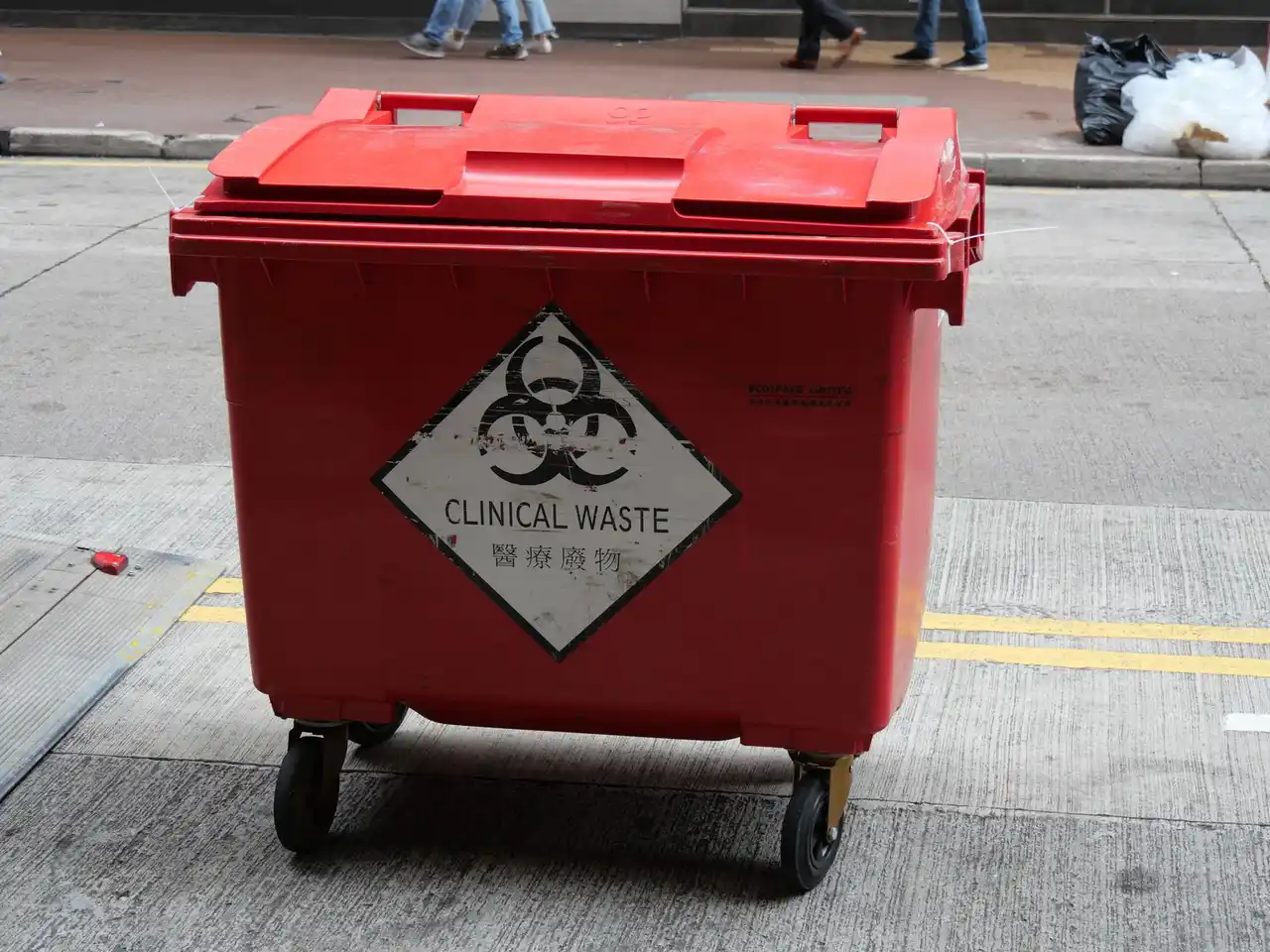
Technicians pull the registers, open access panels, and run a HEPA vacuum through every branch line. We scrub the plenum and air handler surfaces, then apply antimicrobial solution to porous duct board and insulation. A negative air machine keeps dust moving out of the living space while we work.
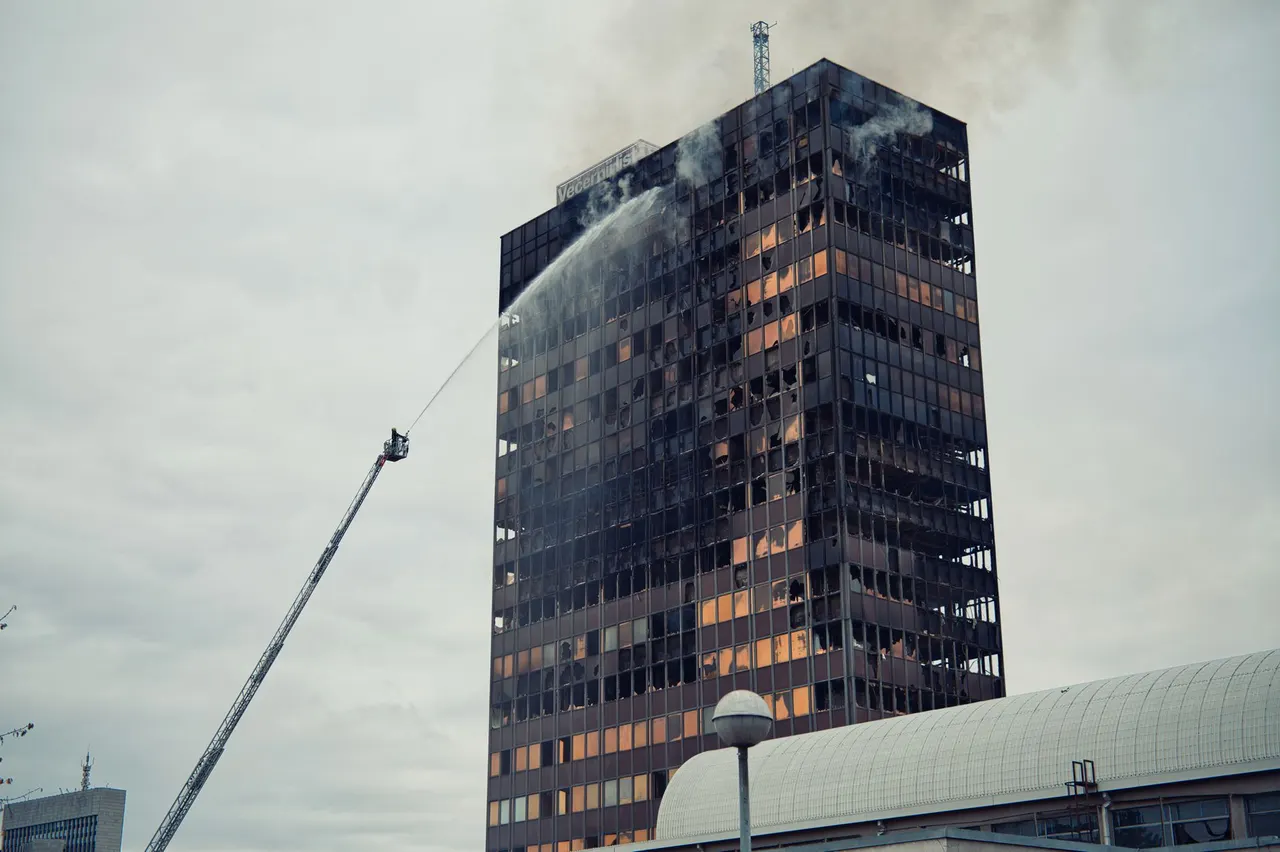
Air movers and dehumidifiers run until the system reaches dry standard. We check readings with a hygrometer and moisture meter every few hours and adjust equipment as needed. Most duct systems dry in 12 to 24 hours; heavily saturated duct board may take 48 hours.
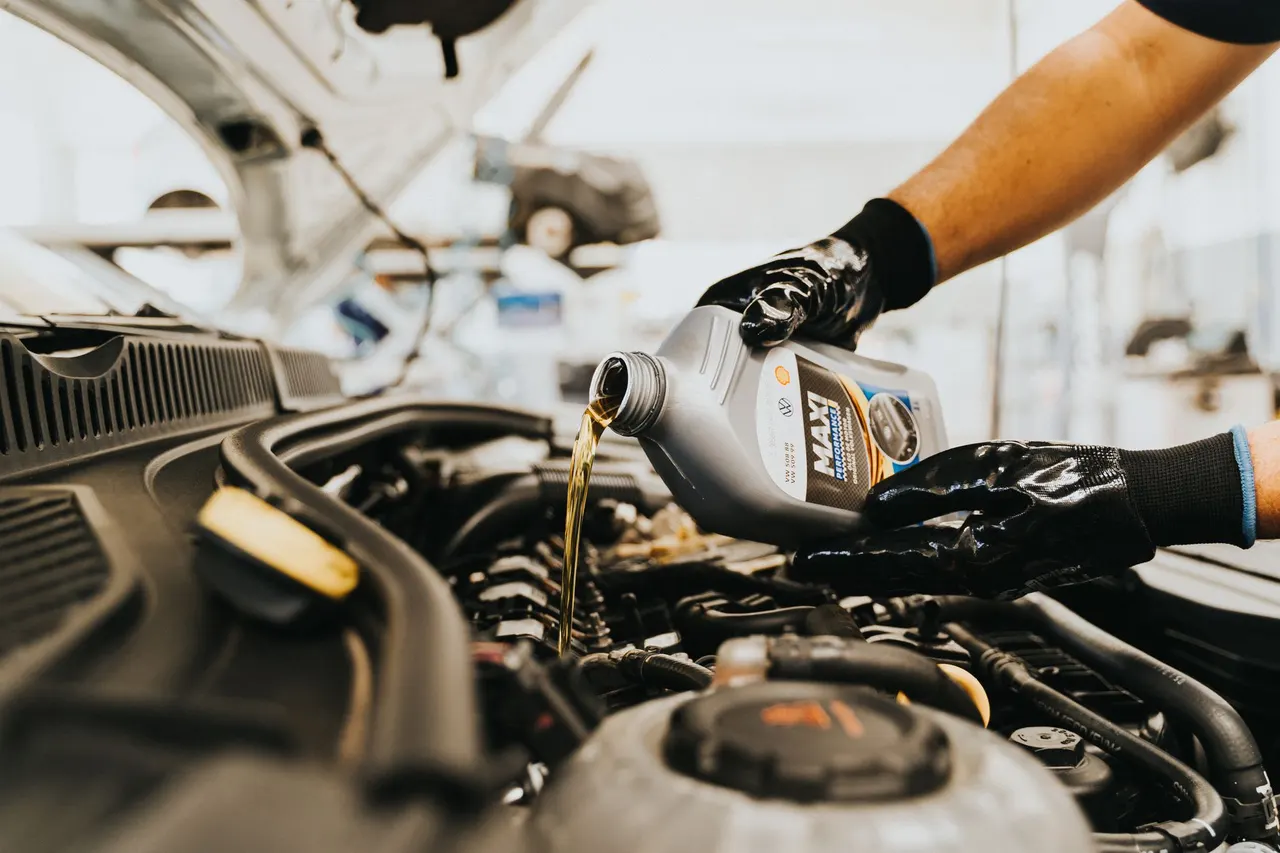
Before we restart your HVAC, we confirm moisture content, inspect for remaining debris with a borescope inspection camera, and replace filters. We walk you through what we found, show you the readings, and leave a summary you can send to your insurance adjuster. Then we test the system with you present.
Maps temperature differences to find hidden moisture in ductwork, plenums, and surrounding walls without opening every surface.
Lets us see inside duct runs and plenum interiors to confirm debris, moisture, and microbial growth before and after cleaning.
Captures fine dust, spores, and debris from duct interiors without releasing them back into the air.
Creates negative pressure in the work zone so dust and contaminants move out of the living space while we clean.

Pull moisture from the air inside ductwork and surrounding rooms until the system reaches dry standard.
Neutralize musty odors and microbial byproducts inside ductwork after cleaning and disinfection.
Measure moisture content in duct materials and relative humidity in the air so we know when drying is complete.
We follow the IICRC S500 standard for water damage restoration, which sets drying goals for materials and air. That means we document readings and do not stop until the system meets dry standard, not just when it looks dry.
We extract standing water, dry the air handler, and clean every duct run that shows moisture with a thermal imaging camera. The system is disinfected and verified dry before restart. You avoid mold growth in the ductwork and your furnace is safe to run again within one to two days.
Our crew pumps out the basement, removes saturated insulation, and cleans the affected duct sections. We document everything for your insurance claim and coordinate with your adjuster. The basement and HVAC system are dry, clean, and ready for the cooling season without a mold problem.
We repair the leak path, dry the attic, and inspect the ducts with a borescope inspection camera. Contaminated sections are cleaned or replaced, and the plenum is treated with antimicrobial solution. Your attic and duct system are dry and mold-free, and your indoor air quality returns to normal.
We extract the water, dry the wall cavity, and clean the return plenum and nearby duct runs. Moisture readings confirm the system is dry before we restart your HVAC. No musty odors, no mold behind the wall, and your system runs at full airflow again.
Jefferson City's climate swings hard. January lows drop below 20 degrees and freeze supply lines in older homes, while spring storms push the Moreau River over its banks and fill basements with water. Both scenarios send water into HVAC systems. The city's housing stock ranges from 1800s brick homes near Capitol Avenue to 1970s ranches in Moreau Heights, and each type has different duct materials and access points. Older homes often have sheet metal ducts with asbestos-era insulation, while newer builds use flex duct that soaks up water like a sponge. We adjust our approach based on what we find. Missouri Department of Natural Resources regulations and State of Missouri contractor license requirements shape how we handle contaminated materials and disposal. If you need same day air duct cleaning service Jefferson City, call before 2 p.m. and we can usually have a crew at your door the same afternoon.
A supply line burst above the furnace closet in a Downtown Jefferson City home. Water ran into the air handler and soaked three duct runs. The homeowner noticed a musty smell within two days and the furnace short-cycled.
We extracted standing water, dried the air handler, and cleaned all affected duct runs with HEPA equipment. Moisture readings dropped from 28% to 11% in 18 hours. The furnace ran normally and the odor was gone.
Check supply lines above the furnace closet each fall and install a water alarm. Schedule a duct inspection if you notice any musty odor after a leak.
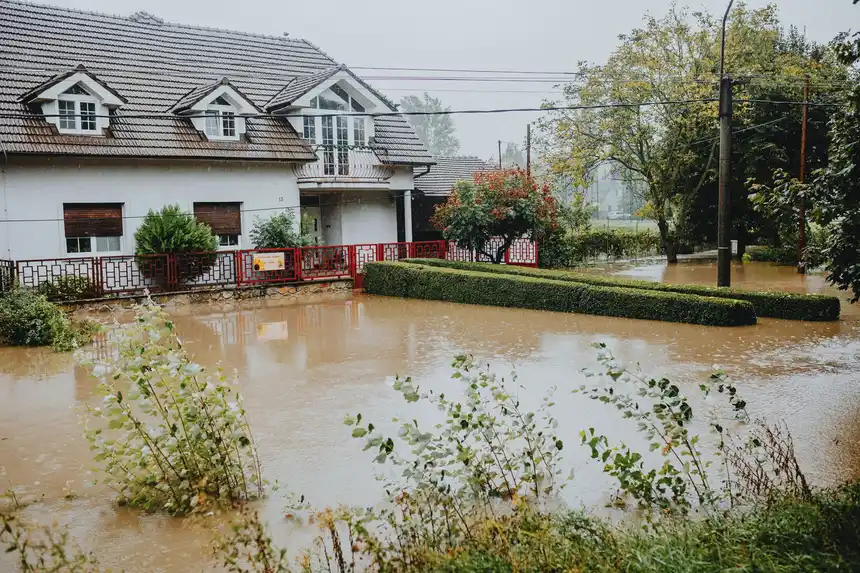
A spring storm overwhelmed the sump pump in an Old Munichburg home. Basement water rose to the duct trunks and soaked insulation around the plenum. The homeowner called after noticing water stains on the basement ceiling.
We pumped out the basement, removed saturated insulation, and cleaned the duct trunks and plenum. Drying equipment ran for 36 hours. Final hygrometer readings confirmed the system was at dry standard before restart.
Test your sump pump monthly and install a battery backup. Keep basement storage off the floor so water cannot wick into boxes and insulation.
A roof leak went unnoticed for weeks in a Southwest Jefferson City home, dripping onto attic flex duct and insulation. The homeowner saw ceiling stains and noticed allergy symptoms getting worse. A borescope inspection found mold inside two duct runs.
We repaired the leak path, removed contaminated flex duct, cleaned the plenum with antimicrobial solution, and installed new duct sections. Post-cleaning air quality testing showed normal spore levels and the homeowner reported fewer symptoms.
Inspect attic ductwork each spring for moisture stains or sagging insulation. Fix roof leaks immediately, even small ones, before water reaches the HVAC system.
Water finds its way into HVAC systems through paths most homeowners never see. These are the problems we fix most often in Jefferson City.
We locate the moisture source, clean the affected duct runs with HEPA equipment, and treat surfaces with antimicrobial solution. Ozone or hydroxyl treatment neutralizes the odor at the source so it does not return. That smell is microbial growth feeding on wet dust inside your ductwork. It gets worse each time the system runs and can trigger allergies, headaches, and respiratory issues for everyone in the house.
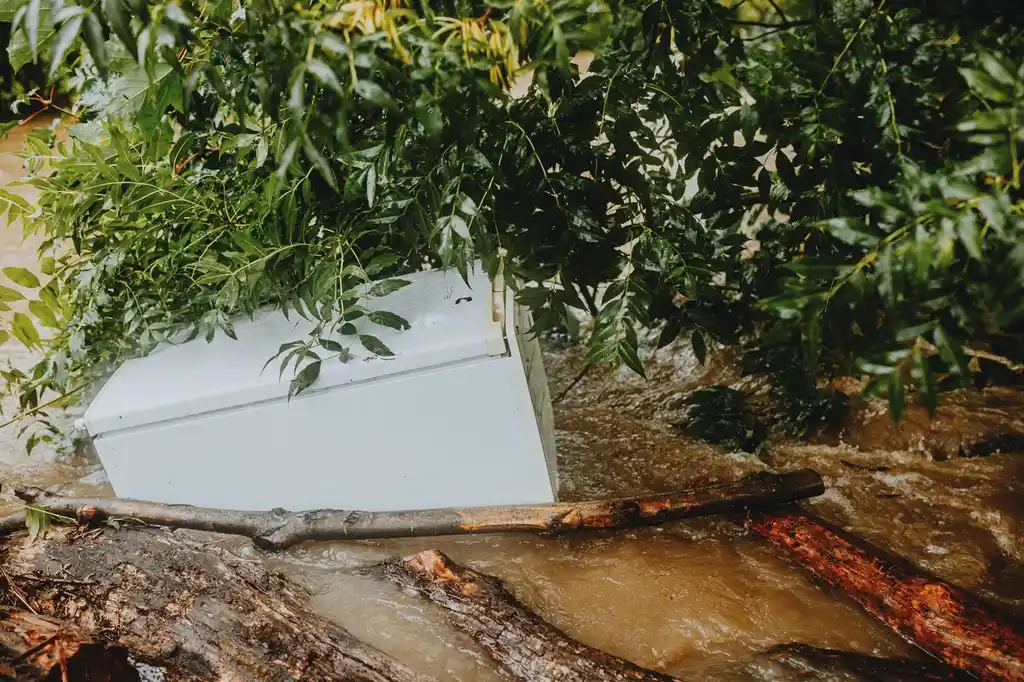
We dry the air handler, inspect electrical components, and clean the surrounding ductwork. If a control board or blower motor is damaged, we document it for your HVAC contractor or insurance claim. Moisture in the air handler corrodes control boards and shorts wiring. A system that short-cycles wastes energy and can fail completely during a January cold snap or July heat wave.

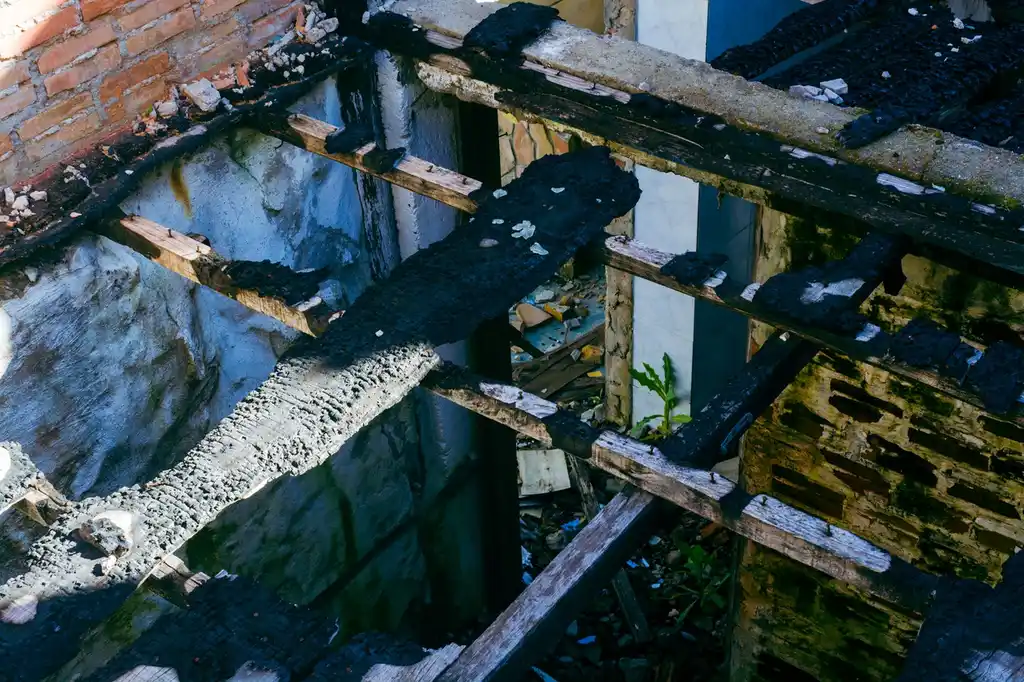
Our IICRC AMRT trained technicians remove contaminated materials under containment, clean the system, and verify cleanliness with a borescope inspection camera before restarting your HVAC. Mold on duct board or flex duct spreads spores through the entire house every time the blower runs. Ignoring it turns a contained problem into a whole-home remediation project.
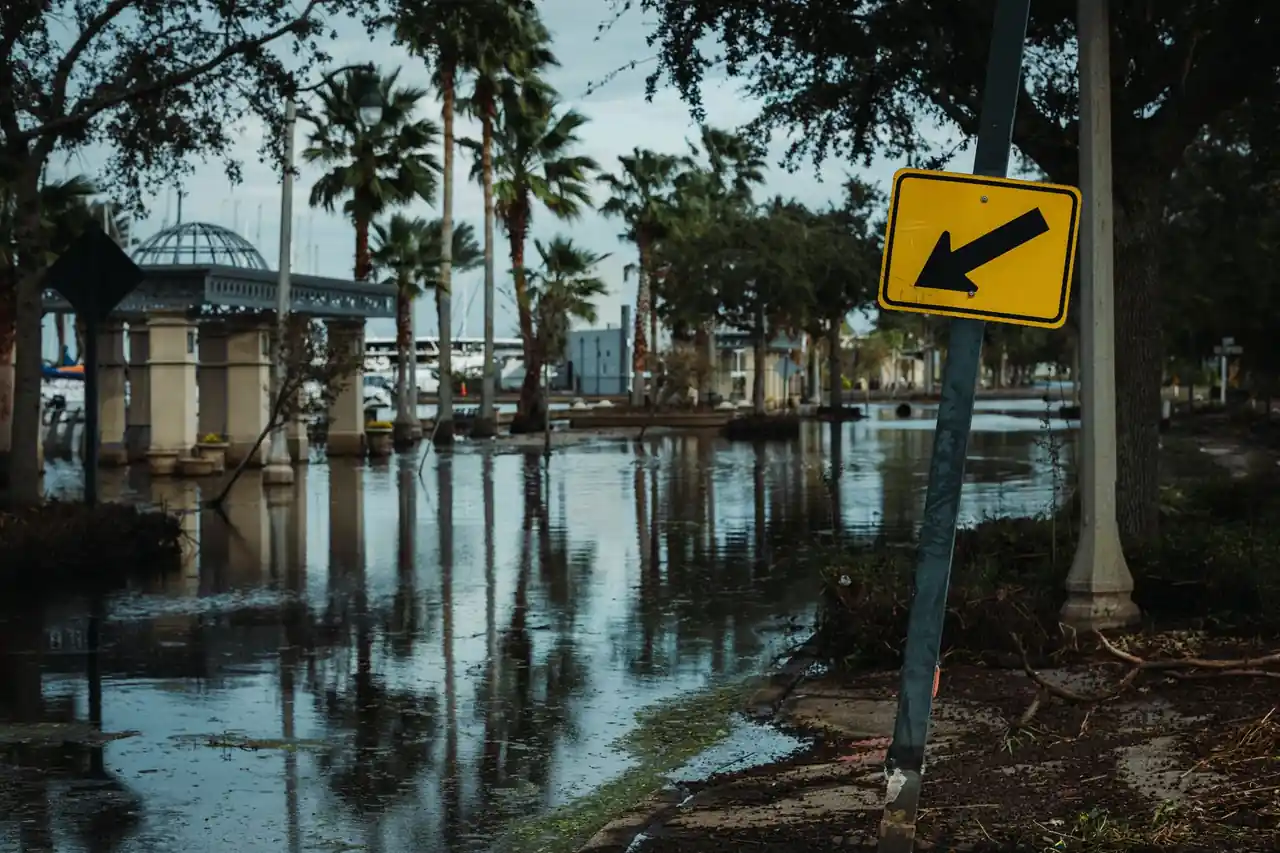
We run dehumidifiers and air movers until the system and surrounding structure reach dry standard. Hygrometer readings confirm the humidity is back to normal before we pack up. Wet ductwork keeps indoor humidity elevated even after floors and walls look dry. That humidity feeds mold behind baseboards, in closets, and inside wall cavities.
Water-damaged ducts grow mold within 24 to 48 hours. Our HEPA vacuum and negative air machine pull spores out of the system instead of blowing them into bedrooms. Customers with allergies or asthma often report fewer symptoms within a week of air duct cleaning after water damage Jefferson City Missouri.
Wet insulation and crushed flex duct force your blower to work harder. After we dry and reseal the runs, airflow returns to design levels and your system cycles less. Most homes see a measurable drop in runtime, especially during January cold snaps when the furnace runs constantly.
That smell coming from your vents is microbial growth feeding on wet dust. We treat the plenums and duct interiors with antimicrobial solution and run an ozone generator or hydroxyl generator to neutralize odor at the source. The smell does not come back because the food source is gone.
Moisture rusts blower motors, corrodes circuit boards, and shorts control wiring. Cleaning and drying the air handler after a leak can add years to the life of a furnace or AC unit that would otherwise fail mid-season. We document the condition of every component for your records.
Clear records you can keep and share.
Flat price and work plan before we start
Before, during, and after drying documentation
Images of duct interiors before and after cleaning
Water does not have to flood your whole basement to damage your HVAC system. Even a small leak that reaches the air handler can spread moisture through every duct run in the house.
Mold can start growing on wet duct surfaces within 24 to 48 hours. Waiting to schedule cleaning gives it time to colonize and spread spores through the system.
Flex duct and duct board absorb water and hold it longer than sheet metal. These materials may need replacement rather than cleaning if they stay wet too long.
Running your HVAC before the ductwork is dry spreads moisture and spores to every room. We verify dry readings before we restart the system.
Outside these areas? Call and ask, we will tell you straight. +15736984623
Most residential jobs run $450 to $1,800 depending on how many duct runs are affected and whether the air handler needs cleaning. Typical 2026 pricing in this area starts around $450 for a single-system home with minor moisture and climbs for larger homes, commercial units, or systems that pulled in sewage. We give you a flat price after inspection.
We do. Our crews work out of Jefferson City and cover Cole County, including Downtown, Old Munichburg, and Southwest Jefferson City. We handle both routine air duct cleaning and water-damaged systems that need extraction, disinfection, and drying. Call and we will schedule a same-day assessment.
Yes. Duct board and insulation hold moisture, and mold can start growing within 24 to 48 hours after water contact. Once mold colonizes the duct interior, every time your blower runs it spreads spores through the house. Cleaning and drying the system with HEPA equipment and antimicrobial solution stops that cycle.
Most residential systems are cleaned and dry within one to two days. Extraction and cleaning usually take three to five hours, then drying equipment runs 12 to 24 hours. If duct board is heavily saturated or the air handler sat in floodwater, plan on 48 hours before we restart the system.
Water in your ductwork will not dry on its own. Call +15736984623 and we will inspect your system, give you a flat price, and start cleaning the same day. We bill most insurance carriers directly and document everything for your claim.
Call +15736984623 any time, day or night. A live dispatcher answers, not a machine, and we will tell you exactly when a crew can reach your address. Most Jefferson City calls see a technician within about 60 minutes. If you prefer email, send photos and your address to info@24/7jeffersoncitywaterdamagerestoration.com and we will follow up fast.