Written scope
Price and work plan before we start
When water pools under your house, crawl space water removal and drying Jefferson City MO is the only way to stop rot, mold, and sagging floors. We pull standing water with truck-mounted extractors, dry the joists and subfloor with commercial air movers and dehumidifiers, and document everything for your insurance claim. If you see moisture, smell must, or hear your sump pump running nonstop, call us now.
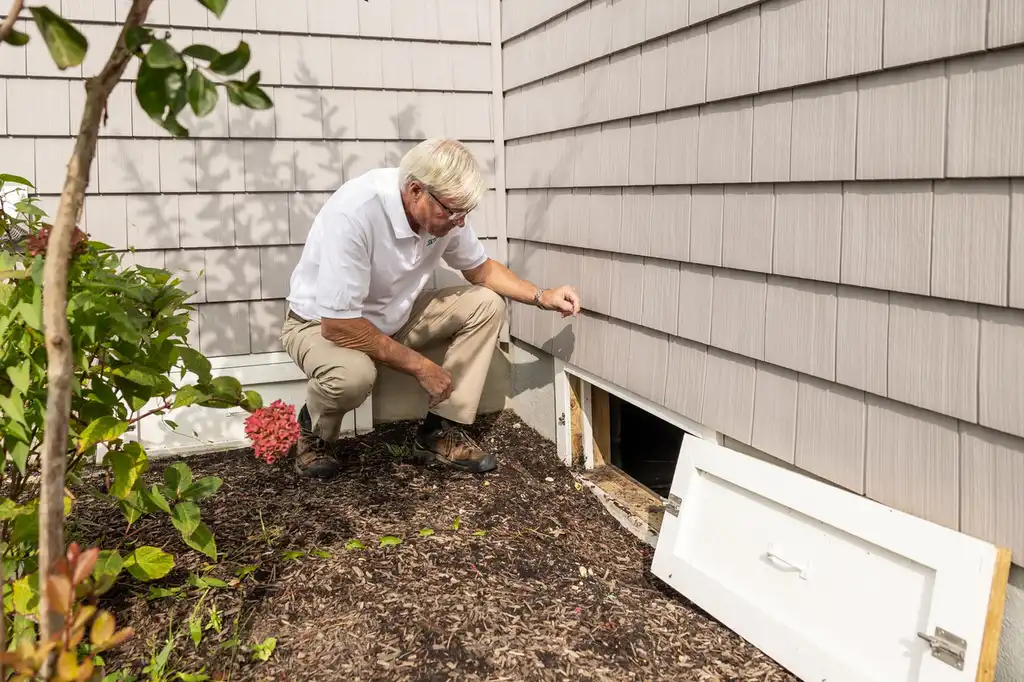
Every job includes a full inspection, extraction, drying, and documentation. If we find mold, contaminated insulation, or damaged ductwork, we tell you before we add it to the scope.

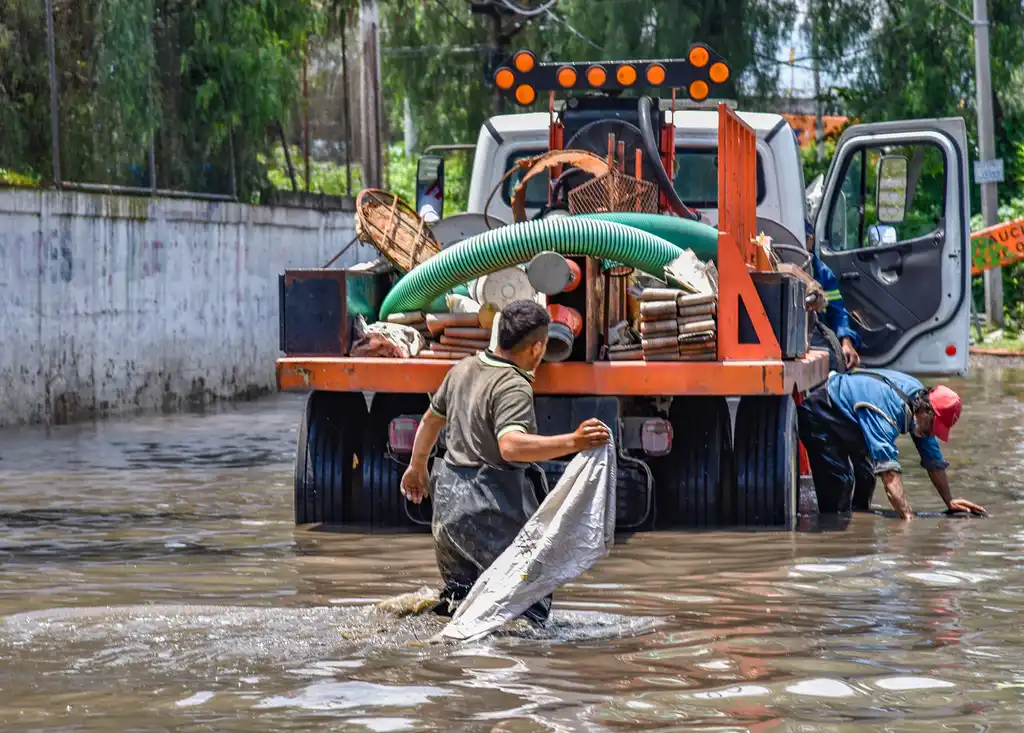
We dry crawl spaces under single-family homes, duplexes, and rentals across Jefferson City. You get a written scope, daily moisture readings, and a dry space before we pack up.
We handle crawl space water removal for commercial buildings, rental properties, and multi-unit housing. We work after hours to keep tenants and customers out of the way.
Crawl space water removal and drying Jefferson City MO is the process of extracting standing water from under your home, then drying the wood, concrete, and insulation until moisture readings return to normal. It is not a shop vac job. We use truck-mounted water extractors, portable extraction units, and high-capacity dehumidifiers to pull hundreds of gallons out of a flooded crawl space, then monitor the drying with moisture meters and thermal imaging cameras until every joist and subfloor board is back to a safe moisture content.
Homes across Cole County sit on clay soil that drains slowly, and when a sump pump fails or a supply line bursts, water pools in the lowest point of the house. That is your crawl space. We see it after every heavy spring rain in North Jefferson City and after frozen pipe breaks in January. If you search for crawl space water removal near me Jefferson City MO, you want a crew that can be under your house the same day, not next week.
We pull the water out first, then dry the wood until the meter says it is done.
Every crawl space is different, but the sequence is the same. Here is what happens from the first phone call to the final moisture reading.
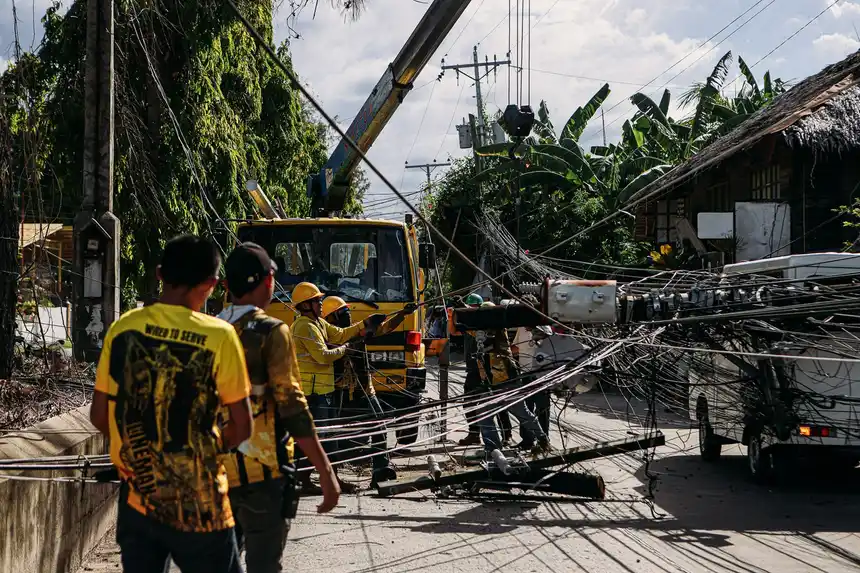
You call, we ask a few questions about the water source and whether the power is safe. We dispatch a crew with a truck-mounted water extractor and portable extraction unit. In Jefferson City, we can usually be under your house within 60 to 90 minutes of your call.
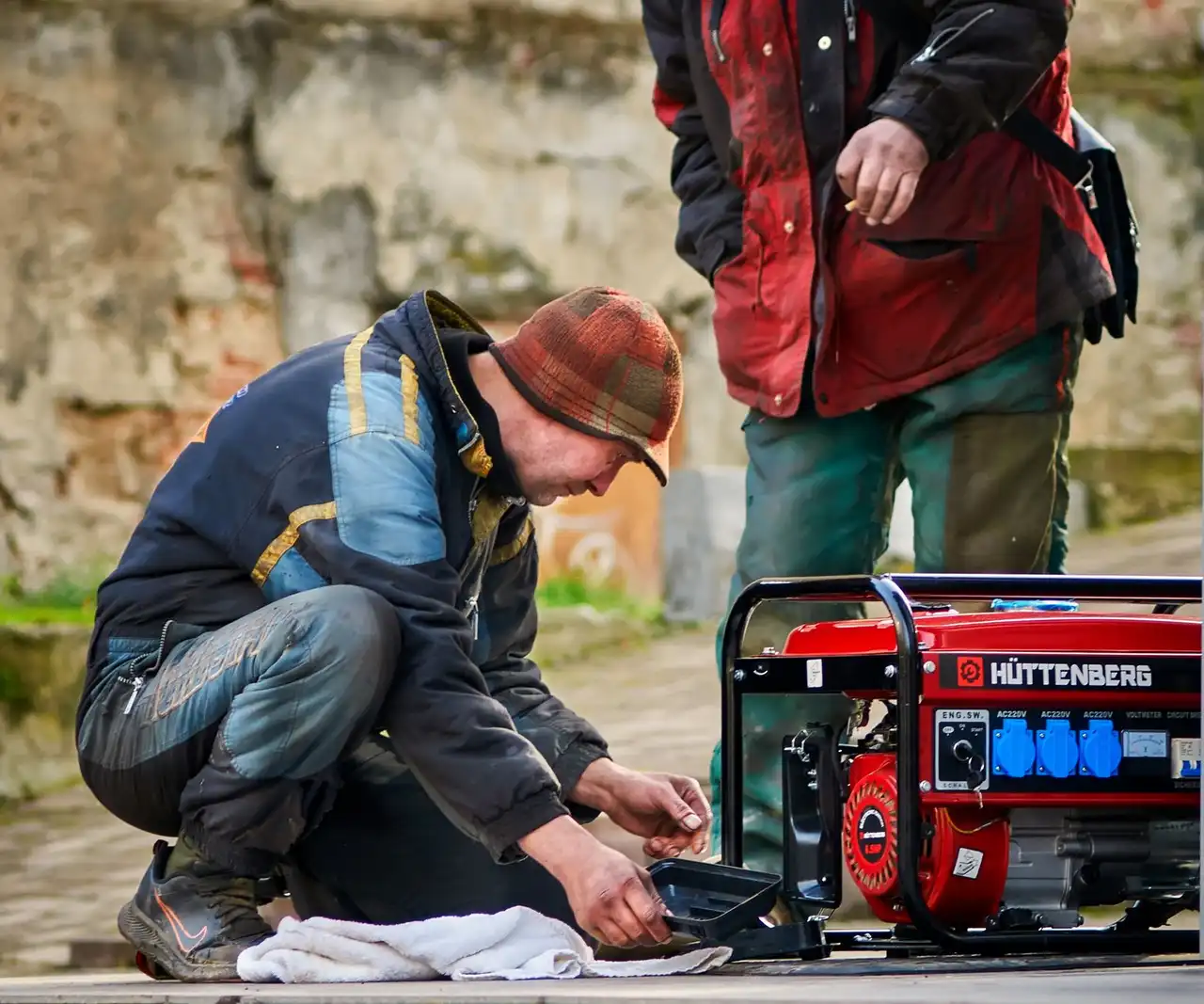
We crawl the space with a thermal imaging camera and a borescope inspection camera to find hidden water behind vapor barriers and inside ductwork. A moisture meter and hygrometer tell us exactly how wet the joists, subfloor, and concrete are. You get a written scope and an upfront price before we start work.
We run the truck-mounted extractor hose through the access hatch and pull standing water out of the lowest pockets first. Absorbent pads soak up the shallow stuff. If the water is contaminated from a sewage backup, we bag and remove the affected insulation and debris before extraction.
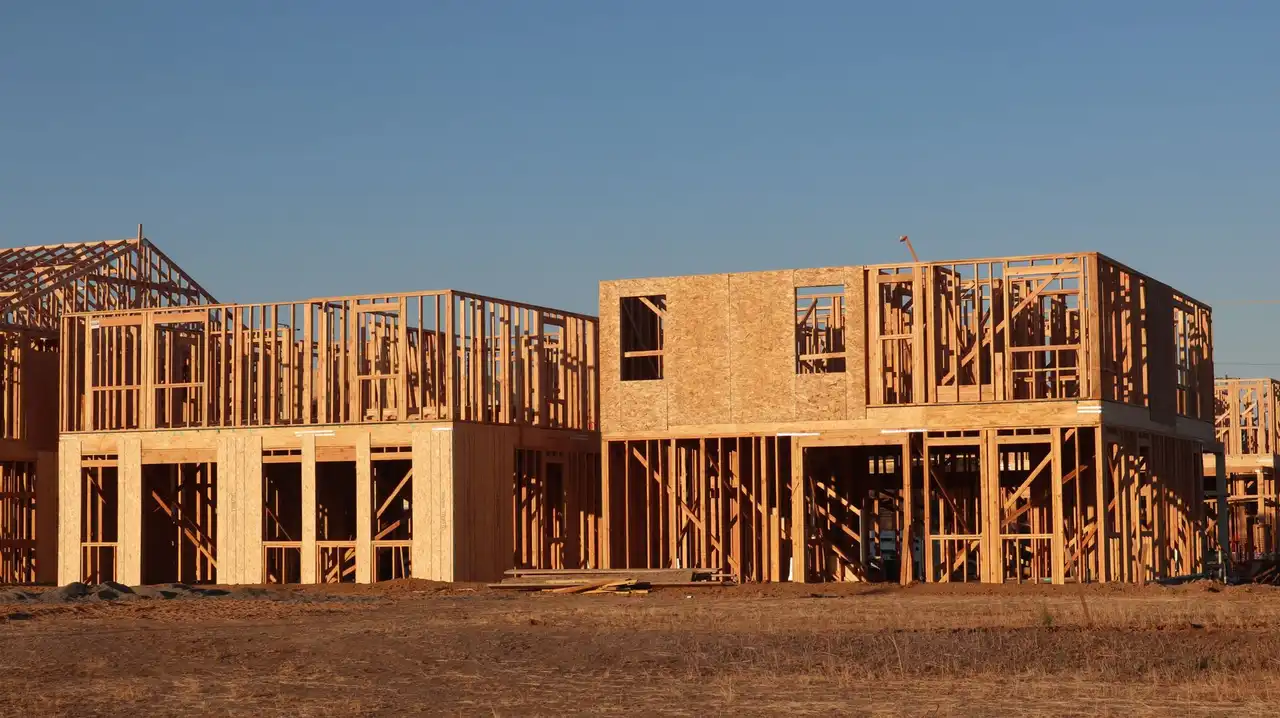
We set Dri-Eaz or Phoenix Restoration Equipment air movers and dehumidifiers to push dry air across the joists and subfloor. Plastic sheeting and ZipWall barriers keep the dry air where it needs to be. Drying usually takes two to four days, and we check readings daily with a moisture meter.
We do not pack up until the wood reads 12 to 15 percent moisture content and the concrete is dry to the touch. We take final photos, log the readings, and walk you through what we found. If any insulation or drywall needs replacement, we note it in the scope so you know what comes next.
Pulls large volumes of standing water from the crawl space through a hose run from the truck. Handles the bulk of the water in the first hour.
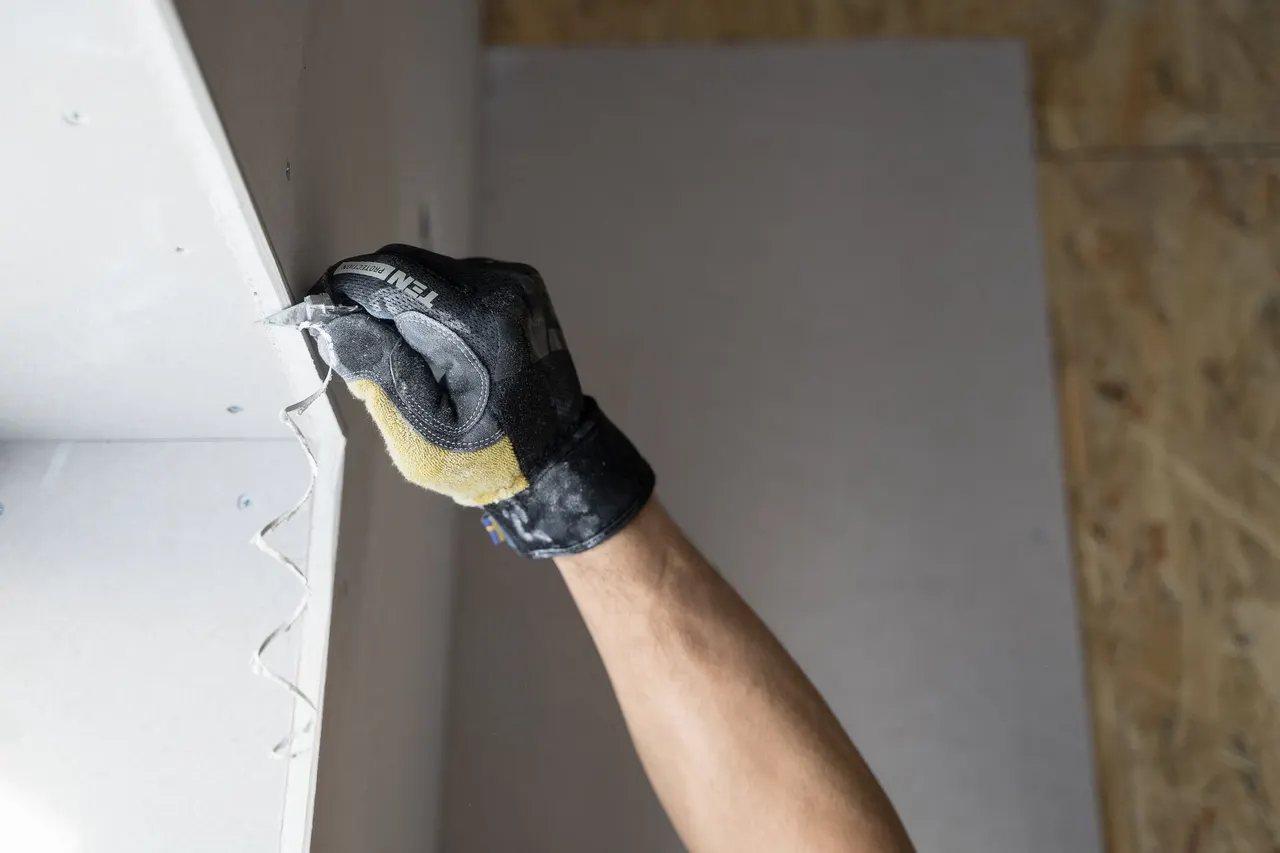
Reaches the far corners and low pockets where the truck hose cannot go. Used for final extraction after the bulk water is gone.
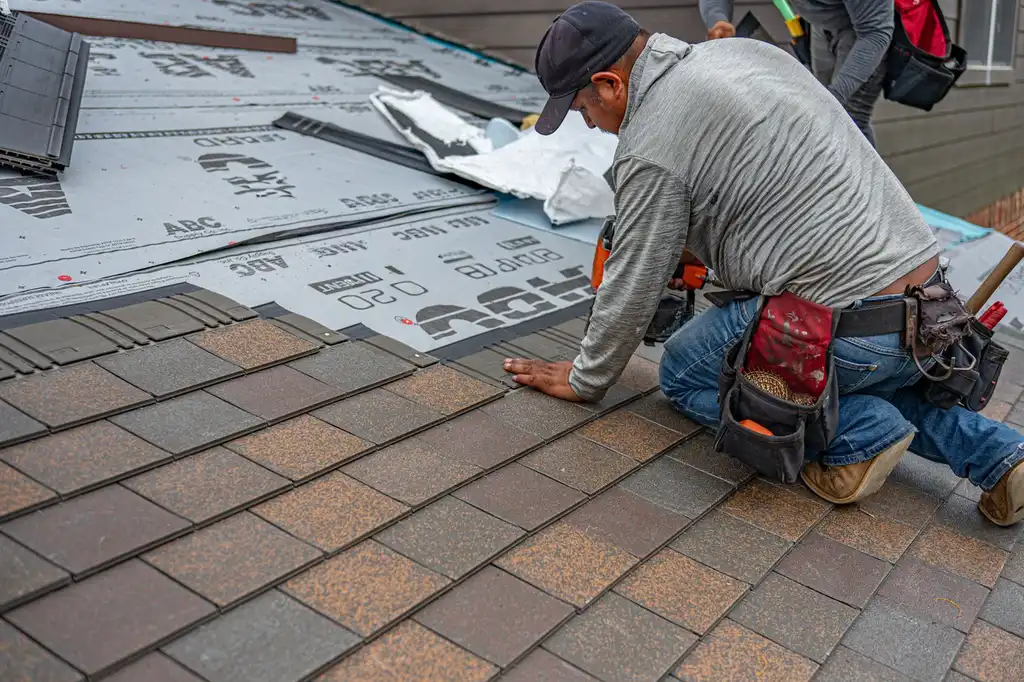
Pull moisture out of the air so wet wood can dry. Sized for the cubic footage of your crawl space.
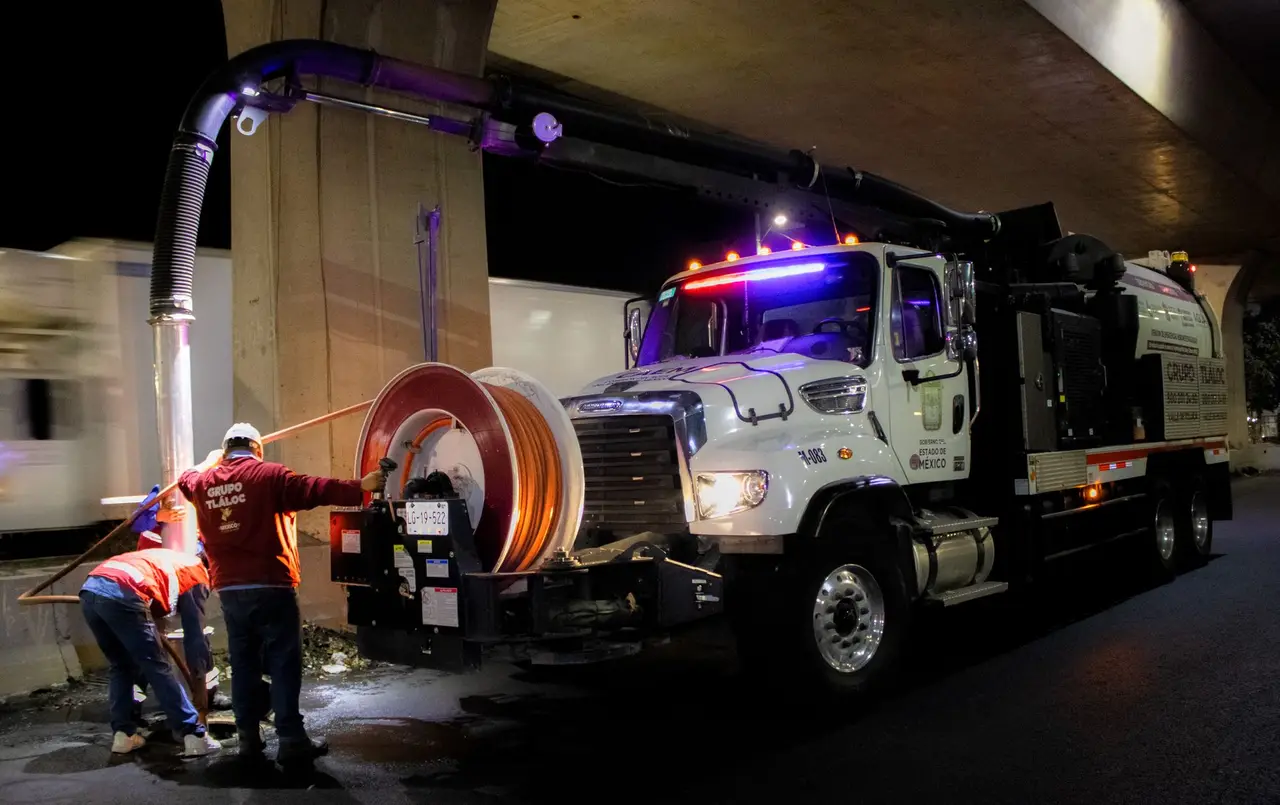
Push dry air across the joists, subfloor, and concrete to speed evaporation. Positioned to create a circular airflow pattern.
Find hidden water behind vapor barriers and inside wall cavities. We use them to map the wet area before extraction and to verify drying at the end.
Looks inside ductwork and wall cavities without cutting open the structure. Helps us find water that ran away from the main puddle.
Scrubs mold spores and debris out of the air when mold is present. Used with ZipWall barriers to contain the affected area.
The industry standard for water damage restoration. It tells us how wet is too wet, when to replace materials, and how to document the job so your insurance claim holds up.
We extract the standing water, check the sump pump and discharge line, and dry the crawl space before moisture reaches the joists. We also document the failure for your insurance claim. Your crawl space is dry in two to four days, and you know whether the sump pump needs replacement or a backup.
We crawl the space with a thermal camera and moisture meter to find the wet framing. After extraction and drying, we treat the wood with antimicrobial solution and check the ductwork for moisture. The musty smell is gone, the floor feels solid again, and you have a moisture log showing the wood is back to normal.
We shut off the water, extract from the crawl space, and set up Dri-Eaz dehumidifiers and air movers. We use a borescope camera to check inside wall cavities for hidden water. The burst pipe is repaired, the crawl space is dry, and your insurance adjuster has the photos and readings needed to process the claim.
We inspect the space, measure moisture in the joists and subfloor, and give you a written scope for drying or repairs. We also check the vapor barrier and foundation vents. You know exactly what the moisture problem costs to fix before you close, and you can negotiate with real numbers.
Jefferson City sits on clay soil that drains slowly, and many homes have crawl spaces that were never designed for Missouri's wet springs. When Moreau Creek or the Missouri River runs high, the water table rises and sump pumps work overtime. Older homes in Old Munichburg and Downtown often have clay tile drain lines that crack and back up. Newer builds in Moreau Heights and Westview Heights have vapor barriers, but a failed sump pump still floods the space. We also see frozen pipe breaks in January and February when temperatures drop into the teens. Our crews know which neighborhoods flood first and which crawl spaces have tight access hatches. If you need a crawl space drying service Jefferson City MO residents call after a storm, we are already in your area. We also handle crawl space water removal in North Jefferson City MO, where the ground stays wet longer after rain.
A homeowner called after a spring storm knocked out power for six hours. The sump pump never ran, and the crawl space had four inches of standing water covering the entire floor. The joists were reading 28 percent moisture content.
We extracted 180 gallons with the truck-mounted unit, set six air movers and two Dri-Eaz dehumidifiers, and dried the space for three days. Final readings showed 13 percent moisture content in the joists. The homeowner filed a claim with our photo documentation.
We recommended a battery backup sump pump and a water alarm. The homeowner now tests the pump every spring before storm season.
A pipe burst under a 1920s home during a January freeze. Water ran through the crawl space and soaked the insulation and subfloor. The homeowner noticed a musty smell two days later and called us.
We removed the wet insulation, extracted standing water, and treated the joists with antimicrobial solution. After four days of drying, the wood read 14 percent moisture content. The musty smell was gone, and we replaced the insulation before closing up.
We showed the homeowner how to insulate the supply lines and keep a trickle running during hard freezes. They also added a moisture meter to their tool kit.
A clay tile drain line backed up into a rental property crawl space, leaving two inches of contaminated water and soaked insulation. The property manager needed it handled fast before tenants complained about odors.
We contained the area with ZipWall barriers, removed the contaminated insulation, applied disinfectant and antimicrobial solution, and extracted the water. Drying took four days. Final moisture readings were 12 to 14 percent across the space.
We recommended a camera inspection of the drain line and a backflow preventer. The property manager scheduled the line repair the following week.
Most crawl space water problems start small and get expensive fast. Here are the ones we see most often in Jefferson City and how we handle them.

We arrive with a portable extraction unit and truck-mounted extractor, pull the standing water, and set up drying equipment. We also check the sump pump and recommend a battery backup so it does not happen again. Water backs up under the house, soaks the joists, and can reach the ductwork within hours. Mold follows in a day or two.
We shut off the water, extract from the crawl space, and dry the joists and subfloor. We use thermal imaging to find water that ran behind the vapor barrier and document everything for your claim. A burst supply line under the house dumps water into the crawl space and can flood the lowest rooms above. The longer it sits, the deeper it wicks into the framing.

We find the moisture source, extract any standing water, treat the wood with antimicrobial solution, and run ozone or hydroxyl generators to clear the air. Most homeowners notice the difference within 48 hours. That earthy smell means mold or mildew is growing on wet wood. It gets worse over time and can trigger allergies for your family.
We suit up, remove contaminated materials, apply disinfectant and antimicrobial solution, and extract the remaining water. Then we dry the structure and document the biohazard cleanup for your insurance. Contaminated water carries bacteria and pathogens. Any insulation or debris it touches has to be removed, not dried in place.
We measure humidity with a hygrometer, run dehumidifiers to bring it down, and check the vapor barrier for gaps. We also recommend ongoing moisture control so the problem does not return. Even without a flood, Jefferson City summers push humidity into crawl spaces. Condensation forms on cool pipes and joists, and mold starts without any visible standing water.
Mold can start colonizing wet wood in as little as 24 hours. We apply antimicrobial solution to the joists and subfloor after extraction, then run HEPA vacuums and negative air machines to scrub spores out of the air. If you have ever asked can crawl space water removal prevent mold in Jefferson City MO, the answer is yes, when the drying is done to IICRC standards.
Wet floor joists sag, twist, and eventually rot. A single soaked rim joist can cost thousands to sister and replace. We dry the wood subflooring and framing down to 12 to 15 percent moisture content, which is the range that keeps lumber stable in Missouri humidity. That saves you from a full floor rebuild later.
That earthy smell in your living room is crawl space air moving up through the floor. We treat the source with antimicrobial solution, run ozone generators or hydroxyl generators for stubborn odors, and seal gaps with caulk and sealant. Most homeowners notice the smell is gone within 48 hours of the final drying pass.
We photograph every affected area, log moisture readings, and build an Xactimate-compatible scope so your adjuster sees exactly what happened. Whether the water came from a burst pipe, appliance leak, or sewage backup, the documentation is ready the same day we finish extraction.
Clear records you can keep and share.
Price and work plan before we start
Daily readings from first visit to final check
Images of affected areas for your insurance claim
Standing water under the house does not dry on its own. Even after the puddle is gone, the wood stays wet and mold can start in a day.
Joists and subfloor soak up water like a sponge. A moisture meter tells us when the wood is actually dry, not just dry to the touch. We do not remove equipment until the readings are safe.
Crawl spaces have low airflow by design. We use air movers and dehumidifiers to force dry air across the wet surfaces. Without that airflow, drying can take weeks instead of days.
Mold can start growing on wet wood in 24 to 48 hours. Antimicrobial solution slows it down, but fast extraction and drying are what actually prevent it. If mold is already there, we handle it separately.
Outside these areas? Call and ask, we will tell you straight. +15736984623
Most residential crawl space jobs in Jefferson City run $1,200 to $3,800 in 2026, depending on how much water is standing and how long drying takes. A small sump pump failure that we catch early may land near the low end. A sewage backup with contaminated insulation and a 2,000-square-foot crawl space pushes toward the high end. We give you a written scope before we start.
We do. Our crews work out of Jefferson City and cover Cole County, including Downtown, Old Munichburg, Moreau Heights, and North Jefferson City. We carry truck-mounted extractors, Dri-Eaz dehumidifiers, and moisture meters on every truck. Call us and we will tell you exactly when we can be under your house.
Extraction usually takes two to four hours for a typical 1,200-square-foot crawl space. Drying takes longer, usually two to four days, because we have to bring the joists and subfloor down to 12 to 15 percent moisture content. We check readings daily and do not remove equipment until the wood is dry.
Yes, if the drying is thorough and fast. Mold can start growing on wet wood in 24 to 48 hours, so the goal is to extract water and start airflow the same day. We apply antimicrobial solution to the joists after extraction and run HEPA vacuums to remove spores. If mold is already present, we handle it under our IICRC AMRT certification.
Water under your house will not dry on its own. Call us now and we will be under your floor with extractors and dehumidifiers, usually within 60 to 90 minutes. We give you a written price before we start.
Call +15736984623 any time, day or night. A live dispatcher answers, not a machine, and we will tell you exactly when a crew can reach your address. Most Jefferson City calls see a technician within about 60 minutes. If you prefer email, send photos and your address to info@24/7jeffersoncitywaterdamagerestoration.com and we will follow up fast.